










Operational Structure of Property Management Software Systems
Explore the operational structure of property management software systems, covering architecture, core modules, data workflows, security, and scalability essentials.

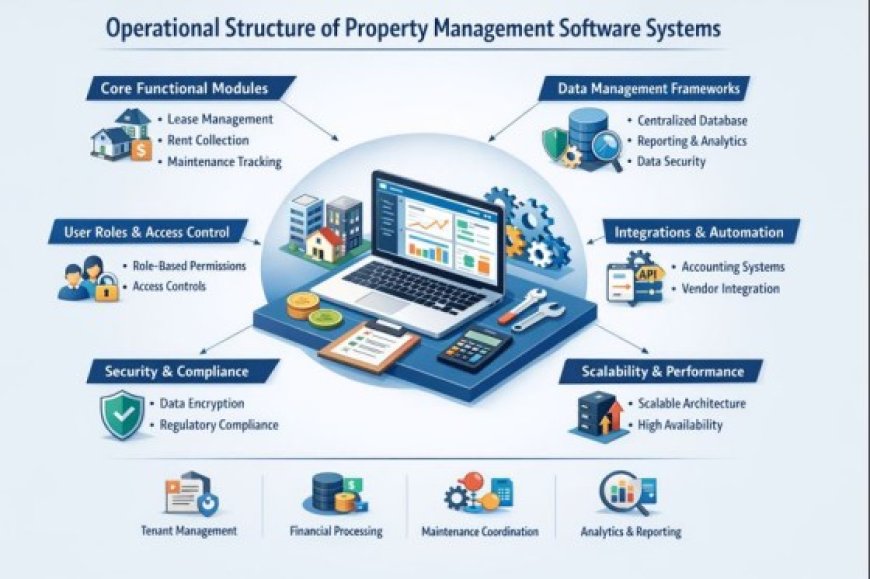
The operational structure of modern property platforms reflects the growing complexity of managing residential and commercial assets at scale. As organizations expand portfolios and regulatory expectations increase, digital systems must support consistency, transparency, and operational efficiency. Within this context, property management software development has evolved into a discipline that blends system architecture, data governance, and user-centric workflows. Understanding how these systems are structured provides clarity on how daily tasks, financial oversight, and long-term planning are coordinated through a single, cohesive digital environment.
Foundational Architecture Behind Modern Property Management Platforms
At the core of any property management system lies a layered architecture designed to balance flexibility with control. This structure typically separates presentation, application logic, and data layers to ensure long-term maintainability and scalability. Such separation allows individual components to evolve without destabilizing the entire platform.
A well-defined architecture supports operational continuity by enabling parallel processing of tasks such as tenant communication, accounting, and maintenance coordination. It also simplifies updates when regulatory or operational requirements change.
Key architectural characteristics include:
-
Modular service layers that isolate functional responsibilities
-
Centralized databases with structured access policies
-
Interface components optimized for both desktop and mobile usage
Through this approach, property management software development teams can adapt systems to diverse asset classes while maintaining a consistent operational backbone.
Core Functional Modules That Drive Daily Property Operations Workflows
Daily operations are orchestrated through a collection of tightly integrated modules, each addressing a specific management function. These modules are designed to reduce manual effort while ensuring data accuracy across departments.
Common operational modules include:
-
Lease and tenant lifecycle management
-
Rent billing, collections, and ledger maintenance
-
Maintenance request intake and task assignment
-
Vendor coordination and service tracking
Each module interacts with others through predefined workflows, ensuring that actions taken in one area automatically reflect across the system. For example, a lease renewal updates billing schedules and reporting dashboards simultaneously.
Within mature platforms, property management software development emphasizes configurability, allowing organizations to tailor workflows without altering core logic. This ensures alignment with internal policies while preserving system stability.
Data Management Frameworks Supporting Accuracy And Scalability
Data integrity is fundamental to effective property operations. Modern systems rely on structured data management frameworks that enforce validation, consistency, and controlled access. These frameworks ensure that financial records, tenant information, and asset data remain synchronized across all modules.
Centralized data repositories reduce duplication and minimize reconciliation errors. They also support advanced reporting by enabling historical analysis and trend identification.
Essential elements of these frameworks include:
-
Relational data models aligned with accounting standards
-
Audit trails for changes to critical records
-
Backup and recovery mechanisms to prevent data loss
As portfolios grow, scalable data handling becomes increasingly important. Robust frameworks allow organizations to expand operations without compromising performance or compliance obligations.
User Roles Permissions And Access Control Design Principles Standards
Effective access control ensures that users interact with the system only within the scope of their responsibilities. Role-based permission models are commonly employed to enforce operational boundaries and protect sensitive information.
Typical role structures may include administrators, property managers, accountants, maintenance staff, and external vendors. Each role is associated with a predefined set of permissions governing data visibility and functional access.
Design principles guiding access control include:
-
Least-privilege assignment to minimize risk exposure
-
Clear segregation of financial and operational duties
-
Configurable approval hierarchies for critical actions
By embedding these principles into system design, organizations reduce the likelihood of errors, misuse, or unauthorized changes while maintaining operational efficiency.
Integration Layers Enabling Financial And Maintenance Processes
Integration layers act as the connective tissue between internal modules and external systems. These layers facilitate seamless data exchange with accounting platforms, payment processors, and service management tools.
Financial integrations ensure that transactions flow accurately between rent collection, general ledger, and reporting components. Maintenance integrations, meanwhile, connect work order management with vendor systems and inventory tracking.
When evaluating property management software development cost, integration complexity often represents a significant factor. Well-designed integration layers reduce long-term expenses by minimizing custom interfaces and simplifying system updates.
Structured integration strategies provide:
-
Standardized data exchange formats
-
Error handling and reconciliation mechanisms
-
Improved visibility across financial and operational processes
Automation Reporting And Analytics Within Property Systems Ecosystems
Automation enhances consistency by reducing reliance on manual intervention. Routine tasks such as invoice generation, payment reminders, and maintenance scheduling can be executed automatically based on predefined rules.
Reporting and analytics tools convert operational data into actionable insights. Dashboards provide real-time visibility into occupancy rates, revenue performance, and service response times.
Advanced analytics capabilities may include:
-
Predictive maintenance forecasting
-
Trend analysis across property types
-
Performance benchmarking by location or manager
By embedding automation and analytics into the system ecosystem, organizations gain a clearer understanding of operational health and can make informed, data-driven decisions.
Security Compliance And Reliability Considerations For Operations
Security and compliance are non-negotiable aspects of system design. Property platforms manage sensitive personal and financial data, requiring strict adherence to privacy and data protection standards.
Reliability is equally critical, as system downtime can disrupt billing cycles and operational workflows. Redundant infrastructure and proactive monitoring help ensure consistent availability.
Key considerations include:
-
Encryption of data at rest and in transit
-
Regular security audits and vulnerability assessments
-
Compliance with financial and data protection regulations
A resilient operational structure safeguards trust among tenants, owners, and service providers while supporting uninterrupted business activities.
Scalability Performance And Future Evolution Of Platforms Architecture
As organizations expand, systems must accommodate increasing transaction volumes and user activity without performance degradation. Scalable architectures rely on distributed processing and optimized resource allocation to meet growing demands.
Performance planning also supports future innovation. Organizations seeking to develop property management app solutions for new markets benefit from flexible platforms that can integrate emerging technologies.
Forward-looking design principles focus on:
-
Horizontal scalability for user and data growth
-
Performance optimization through load balancing
-
Adaptability to regulatory and market changes
Such planning ensures that systems remain relevant and effective as operational requirements evolve.
Conclusion
The operational structure of property management systems reflects a careful balance between technical rigor and practical usability. From architectural foundations to automation and security, each component plays a defined role in maintaining consistency and efficiency. A clear understanding of these structural elements enables organizations to align technology with operational goals, reduce risk, and support long-term growth. As property portfolios become more complex, well-structured digital platforms remain essential tools for sustainable and transparent management.