









What Is Velvet Fabric? Types, Uses, and History Explained
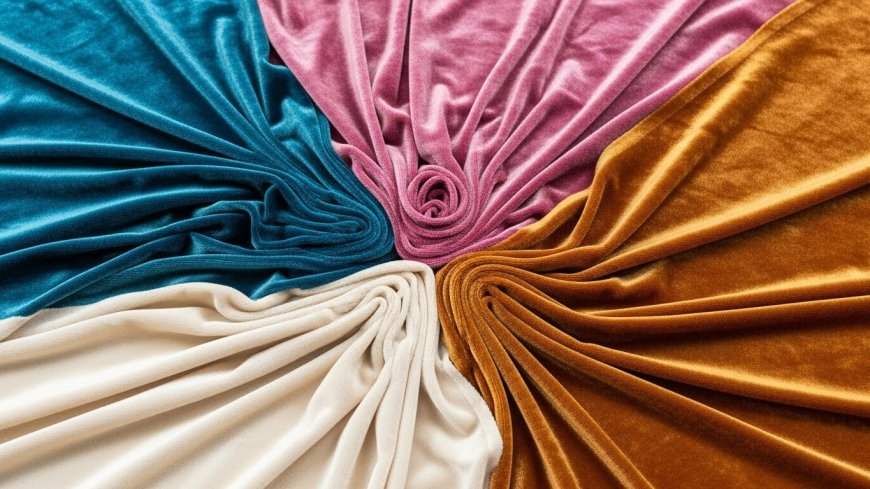
Velvet fabric has long been associated with luxury, elegance, and comfort. From royal garments to modern home dcor, velvet continues to hold a special place in the world of textiles. Its soft surface and rich appearance make it instantly recognizable and widely loved. But velvet is more than just a beautiful fabric. It has a long history, several unique types, and a wide range of practical uses.
This guide explains what velvet fabric is, where it comes from, the different types available today, and how it is commonly used. Everything is explained in simple, easy-to-understand language to help you fully understand this timeless material.
Understanding Velvet Fabric and Its Unique Texture
Velvet fabric is a woven fabric known for its soft, dense pile and smooth surface. The pile is created by cutting evenly spaced loops of yarn, which gives velvet its signature plush feel. When you run your hand across velvet, the fibers reflect light differently, creating a rich and deep color effect.
What sets velvet fabric apart from other materials is this pile structure. Unlike flat fabrics such as cotton or linen, velvet has depth and dimension. This is why velvet often looks darker or lighter depending on how the light hits it.
Traditionally, velvet was made from silk, but today it is also produced using cotton, polyester, rayon, and blended fibers. These modern options make velvet fabric more affordable and accessible while maintaining its luxurious look.
A Brief History of Velvet Fabric Through the Ages
The history of velvet fabric dates back over a thousand years. It is believed to have originated in the East, with early production taking place in China and the Middle East. From there, velvet made its way to Europe through trade routes.
During the Middle Ages and Renaissance, velvet became a symbol of wealth and power in Europe. It was expensive to produce and difficult to weave, which meant only royalty and the upper class could afford it. Velvet was commonly used for royal clothing, church garments, and palace furnishings.
As textile technology improved, velvet fabric became more widely available. By the 18th and 19th centuries, it was no longer limited to nobility and began appearing in mainstream fashion and interior design. Today, velvet remains a symbol of elegance but is accessible to a much broader audience.
How Velvet Fabric Is Made
Velvet fabric is created using a special weaving technique. Two layers of fabric are woven at the same time and connected by vertical threads. These threads are then cut apart, creating the soft pile on both layers. This process requires precision and skill, which is why velvet was historically considered a luxury fabric.
Modern manufacturing has made velvet production more efficient. Machines now produce consistent pile height and texture, allowing for large-scale production. Despite these advancements, high-quality velvet still requires careful craftsmanship to ensure softness, durability, and even texture.
The type of fiber used plays a big role in how velvet feels and performs. Silk velvet is extremely soft and luxurious, while synthetic velvet is more durable and easier to maintain.
Popular Types of Velvet Fabric
There are several types of velvet fabric, each with its own characteristics and uses. Understanding these types helps in choosing the right velvet for different projects.
Silk velvet is considered the most luxurious type. It has a very soft hand feel and a beautiful sheen. However, it is delicate and often more expensive, making it suitable for special garments and decorative items.
Cotton velvet has a softer sheen and a more matte appearance. It is breathable and comfortable, which makes it popular for clothing and upholstery. Cotton velvet is durable but can be heavier than other types.
Polyester velvet is widely used today because it is affordable, durable, and easy to care for. It resists wrinkles and fading, making it ideal for everyday use in fashion and home dcor.
Crushed velvet features an intentionally wrinkled or textured surface. This type of velvet fabric reflects light in multiple directions, creating a dramatic and modern look. It is often used in evening wear and statement dcor pieces.
Stretch velvet includes a small amount of spandex or elastane. This makes it flexible and comfortable, especially for fitted garments such as dresses and performance costumes.
Velvet Fabric in Fashion and Apparel
Velvet fabric has been a fashion favorite for centuries. Its soft texture and elegant appearance make it ideal for formal wear, evening gowns, suits, and jackets. Velvet adds depth and richness to clothing, making even simple designs look luxurious.
In modern fashion, velvet is used for both casual and formal styles. Velvet blazers, pants, and skirts are popular choices during fall and winter. Stretch velvet is commonly used in dresses and stage costumes because it allows ease of movement while maintaining a polished look.
Accessories such as velvet scarves, shoes, and handbags also remain popular, especially during colder seasons.
Velvet Fabric in Home Dcor and Upholstery
Beyond clothing, velvet fabric plays a major role in interior design. It is commonly used for upholstery, curtains, cushions, and decorative accents. Velvet furniture, such as sofas and chairs, adds a sense of warmth and sophistication to living spaces.
Because velvet fabric reflects light beautifully, it enhances the richness of interior colors. Dark velvet tones create a cozy and dramatic atmosphere, while lighter shades bring softness and elegance.
Modern velvet upholstery fabrics are designed to be more durable and stain-resistant, making them suitable for everyday home use.
Performance and Practical Uses of Velvet Fabric
Velvet fabric is not only about appearance. It also offers practical benefits. Its dense pile provides insulation, making it warm and comfortable in colder environments. This is why velvet is often used for winter clothing and heavy curtains.
Velvet also has sound-absorbing qualities, which makes it useful in theaters, studios, and performance spaces. Stage curtains are often made from velvet because they reduce noise and block light effectively.
In addition, velvet fabric is commonly used in packaging and display items, such as jewelry boxes, because it protects delicate objects while offering a premium presentation.
Caring for Velvet Fabric the Right Way
Proper care helps velvet fabric maintain its beauty and longevity. Because of its pile structure, velvet can be sensitive to pressure and moisture. It is usually recommended to avoid heavy pressing or ironing directly on the surface.
Many modern velvet fabrics, especially polyester velvet, can be gently machine washed. However, delicate types such as silk or cotton velvet often require professional cleaning. Brushing the pile lightly helps restore its texture and prevent flattening.
Storing velvet items properly also helps preserve their appearance. Hanging garments and avoiding folding prevents permanent creases in the pile.
Why Velvet Fabric Remains Timeless
Despite changing fashion trends, velvet fabric continues to be relevant. Its ability to adapt to modern styles while maintaining a classic appeal is what makes it timeless. Designers continue to reinvent velvet through new colors, textures, and applications.
From historic royal robes to contemporary home interiors, velvet fabric has proven its lasting value. Its blend of beauty, comfort, and functionality keeps it in demand across industries.
Choosing Quality Velvet for Lasting Results
The quality of velvet fabric makes a noticeable difference in how it looks and performs. High-quality velvet has a dense, even pile and a smooth backing. It feels soft to the touch and reflects light evenly without patchiness.
When selecting velvet for fashion or dcor projects, paying attention to fiber content, pile density, and intended use ensures better results. Trusted fabric sources help ensure consistency and durability. For those seeking premium velvet fabric options in various styles and finishes, Ice Fabrics offers carefully curated selections designed to meet both creative and practical needs.