








Things to Know About the Enterprise Modernization Blueprint to Migrate Legacy Systems
Wondering what would be the right way to modernize your operations? Explore the enterprise modernization blueprint to unlock new potential.
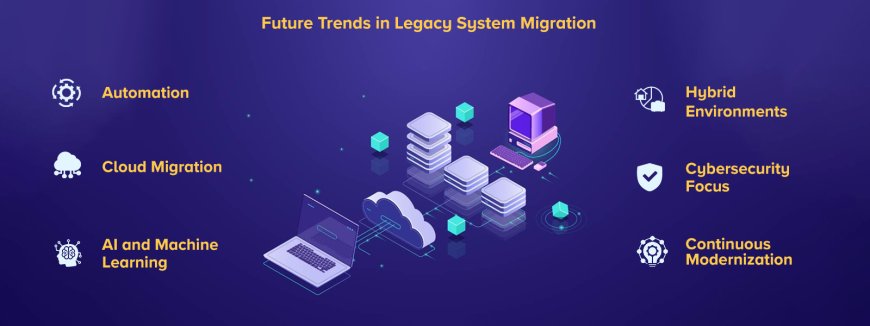
As almost all businesses go digital, the need to modernize legacy systems is becoming more crucial. Why? Legacy systems often struggle to keep up with evolving business needs, customer expectations, and emerging market trends. Theres data to back this up:
A study shows 50% of nearly 300 senior business executives think legacy tech infrastructure is a barrier to efficiency. Studies also show that businesses allocate about 10%-20% of their technology budget to tech debt, which isnt limited to but includes legacy system migration and modernization.
And if you want operational excellence, you should address the challenges that these outdated systems pose. Doing so can help you position your business for long-term success. But how can you modernize your legacy systems?
In this blog post, well cover the enterprise modernization blueprint to help you unlock the new levels of operational excellence. Well explore proven strategies and emerging tools to help you migrate away from legacy systems and integrate new capabilities.
Lets start then!
What defines legacy technical systems for modern businesses?
Legacy systems are the outdated systems that organizations may have used for many years or decades. These systems were often built on older technologies and architectures that no longer meet modern enterprise needs.
These outdated systems often pose significant risks for traditional businesses. Customer service is greatly affected by them as well. For instance:
-
Most of them are difficult and expensive to maintain. Why? Finding original developers for these technologies will be tough because the underlying technology is outdated.
-
Security vulnerabilities in legacy systems can also expose organizations to data breaches and compliance risks.
-
They mostly lack flexibility and scalability to adapt to the evolving business requirements and new customer expectations.
-
Lastly, they often dont integrate well with modern cloud-based or mobile technologies, leading to inefficient workflows.
Addressing these challenges is critical for organizations to remain competitive in this market, and thus, you need legacy system modernization. It comes with lots of benefits: improved efficiency, superior customer expectations, and modernized operations.
How to modernize your enterprise legacy systems?
Modernizing legacy applications involves more than just implementing new tools. For operational excellence, you should develop innovation strategies to ensure the transition aligns with your company's goals while reducing disruptions.
Lets discuss the legacy system migration strategy to streamline your digital transformation, reduce setbacks, and maximize your ROI:
1. Access your current legacy system
-
First, conduct a thorough assessment of your legacy systems.
-
Document current architecture, identify pain points, and evaluate technical debt.
-
Understand interdependencies between different apps.
Itll give you insights into a targeted modernization roadmap.
2. Engage new leadership
-
Engage forward-thinking leadership to champion the initiatives.
-
Look for leaders having expertise in emerging technologies and a vision for enterprise technology transformation.
Itll give a shift to your organizational mindset and cultural requirements for successful modernization. Its also crucial for overcoming resistance and ensuring success.
3. Prioritize your business needs and operational excellence
-
Keep your focus on your business and customer needs during modernization.
-
Maintain a business-centric approach to deliver tangible results and solve pressing operational challenges.
-
Prioritize functionalities and systems based on strategic importance and their potential impact.
However, you should avoid getting sidetracked by technical details.
4. Leverage cloud solutions
-
Use cloud computing as a powerful enabler for modernization.
-
Migrate your legacy apps to the cloud to reduce the burden of maintaining on-premises systems.
-
Unlock capabilities like enhanced data analytics and AI through cloud technologies.
Cloud technologies offer scalable, cost-effective infrastructure and allow you to access pre-built services.
5. Adopt an incremental approach
-
Adopt an incremental, phased approach for legacy application modernization instead of a single big bang event.
-
Consider selectively modernizing components, implementing modular architecture, and integrating cloud services.
-
Migrate gradually away from outdated systems to minimize operational disruption.
6. Implement Agile methodologies
-
Move away from the traditional Waterfall approach to a more Agile methodology.
-
Follow practices such as continuous integration, sprints, and user-centered design to enable faster delivery and greater adaptability.
An Agile mindset is pivotal to creating lasting business value when modernizing legacy technologies. It promotes iteration, responsiveness, and customer-centric development.
What tools and technologies needed for IT modernization strategy?
Organizations should incorporate numerous tools and technologies to modernize their existing tech stack for operational excellence. The following are some tools and technologies needed:
1. API management
These centralized platforms help organizations to manage APIs that connect legacy systems with cloud-based apps.
Examples: Apigee, Kong, Mulesoft
How it helps:
-
Facilitates seamless integration between old and new systems.
-
Allows gradual modernization by exposing legacy functionalities through APIs.
-
Handles security, analytics, and monitoring for smooth API connections.
2. Low-code platforms
These visual development tools enable rapid app development with minimal coding language.
Examples: Mendix, OutSystems, Microsoft Power Apps
How it helps:
-
Bridges the gap between IT capabilities and business requirements.
-
Accelerates modernization by empowering businesses to create apps and workflows quickly.
-
Accelerates digital transformation by allowing faster delivery of custom solutions.
3. Microservices architecture
It breaks monolithic apps into smaller, independent services that can be developed and scaled independently.
Examples: Docker, Kubernetes, Istio, Spring Boot
How it helps:
-
Allows modular, agile, and incremental modernization.
-
Enhances integration by exposing APIs that other apps can easily consume.
-
Upgrades or replaces specific components selectively without system-wide disruptions.
Modernizing your legacy systems is no longer optional. To remain competitive in todays fast-paced digital marketplace, you gotta update your systems thatll keep pace with whats coming next. And, partnering with a professional web development partner can help you. Unified Infotech is one such partner. With over fifteen years of experience, they can help you with website revamp, web app consulting, cloud migration, and other legacy modernization services.
Future-proofing your business with modernized tech stacks
Your initial business technology may supported you for years, but it may not support your future growth plans. Outdated legacy systems limit your ability to meet evolving business needs and may expose you to numerous cybersecurity risks. Legacy system migration will protect your current operations and lay the groundwork for operational excellence and ongoing success. However, you need a flexible, robust technological foundation that keeps pace with the modern business environment.
We hope this blog post will give you insights into the enterprise modernization blueprint and how you can achieve success through modernizing your legacy, outdated systems. Have questions on mind? Share your doubts in the comments below!