








The Role of Educational Content Development Services in Building Inclusive Learning Pathways
With QA Solvers’ content development services, institutions can create learning environments where every student can participate, progress, and succeed with confidence.
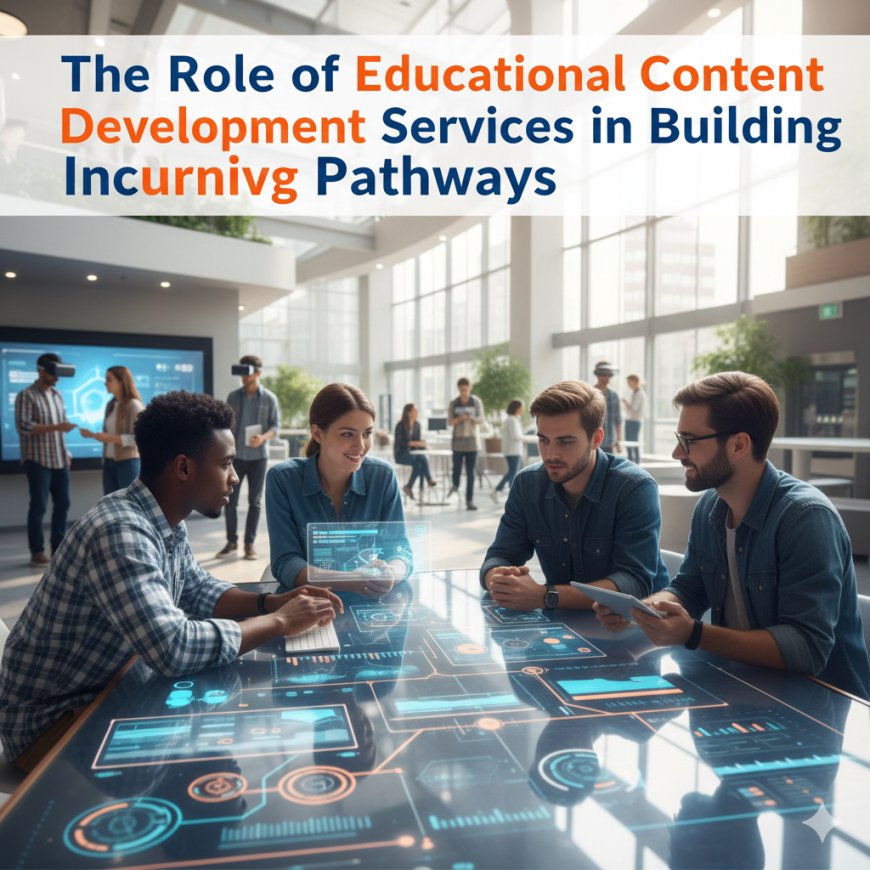
Inclusive learning pathways hit hard because they decide who gets in and who stays shut out.
Children with disabilities are 2.5 times more likely to never attend school, and in many low- and middle-income countries, half of young people with disabilities are pushed out of education altogether.
When content is built with real intention, that gap doesnt get to hide anymore. Inclusion shows up in plain sight, access feels fair, and every learner actually gets a shot to take part instead of standing there, pushed to the sidelines like they dont matter.
Content Mapping That Meets a Wider Range of Learners
Content mapping hits with a kind of structure that actually reaches learners who walk in with different backgrounds, skills, and goals.
Developers set clear outcomes that leave room for flexibility, so students can move through material in a way that fits how they learn. Then the sequenced lessons step in and break concepts down without flooding the brain.
That pacing gives learners more than one way into the content and helps them move forward with a sense of control instead of confusion.
Multiformat Delivery That Supports Different Learning Styles
Multiformat delivery hits with real impact because it gives every learner a way in, not just the ones who fit a single style. When content shows up as text, visuals, audio, or interactive pieces, students can pick the format that actually helps the idea land.
Some need visual cues. Some need a steady voice guiding them step by step. Some need to click, try, and test. And when this content works across devices and even on low bandwidth, learners in blended or remote settings dont get pushed outthey stay in the flow with full access to what matters.
Cultural Responsiveness and Representation
Culturally responsive content lands with that sudden hit of recognitionbecause learners finally see themselves in what theyre studying.
When the examples, the context, the everyday situations match different cultural, linguistic, and social backgrounds, students dont feel pushed to the side anymore. They feel seen, pulled in, and part of the space. Tone, imagery, and activities are picked with real care so nothing slips into stereotypes and everyone feels like they belong in the room.
This kind of approach pulls students in across campuses and gives learners from different communities the confidence to speak up and stay engaged.
Conclusion
Inclusive learning pathways grow stronger when institutions use structured processes that support diverse learners from the start. Instead of relying on isolated adjustments, teams can build clarity, flexibility, and accessibility directly into their materials.
Partnering with content development companies gives institutions access to experts who design inclusive frameworks that scale across programs.
With QA Solvers content development services, institutions can create learning environments where every student can participate, progress, and succeed with confidence.