









TEC Certification for New-Age Technologies: 5G, IoT, and O-RAN
As India rapidly moves toward next-generation connectivity, the demand for advanced telecom equipment is soaring. Technologies like 5G, IoT.
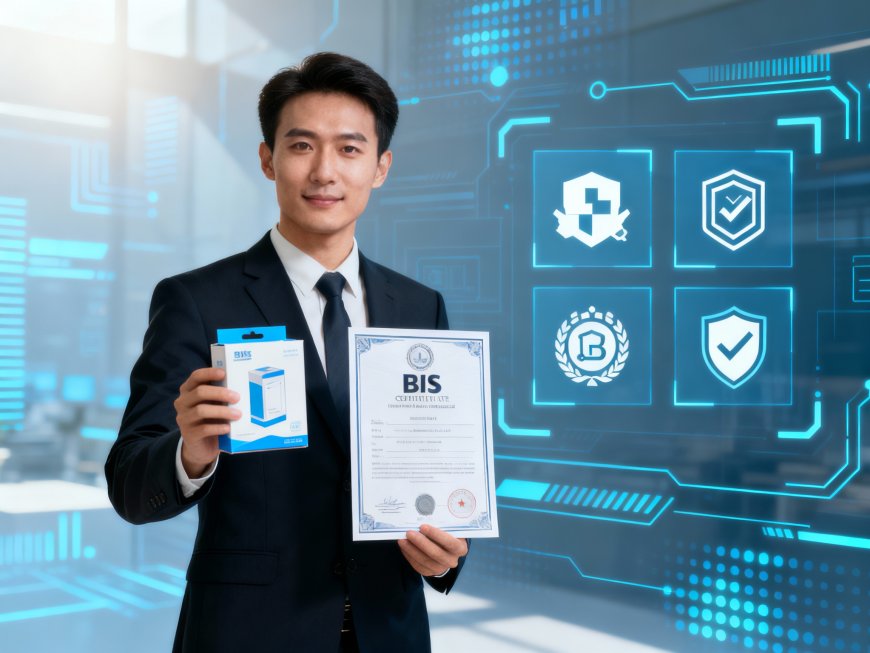
As India rapidly moves toward next-generation connectivity, the demand for advanced telecom equipment is soaring. Technologies like 5G, IoT, and Open Radio Access Network (O-RAN) are reshaping the digital ecosystem, but they also come with increased regulatory responsibilities. One of the most important compliance requirements for telecom OEMs, importers, and service providers is TEC Certification, mandated by the Telecom Engineering Centre (TEC), under the Department of Telecommunications (DoT), Government of India.
If you are planning to manufacture, import, or deploy next-gen telecom products in India, understanding TEC certification is essential. Heres a comprehensive overview.
Why TEC Certification Matters for Emerging Technologies
As the telecom landscape evolves, so do the potential risks related to interoperability, device security, network reliability, and electromagnetic compatibility (EMC). The TEC certification framework ensures:
-
Network safety and interoperability
-
Cybersecurity compliance
-
Reliable performance under Indian telecom conditions
-
Harmonization with global technical standards
-
Reduction in network vulnerabilities
For futuristic communication technologies, TEC Certification is not just a legal requirementit's a critical trust signal for operators, partners, and end users.
TEC Certification for 5G Equipment
Indias 5G rollout depends heavily on the reliability and safety of the equipment deployed. TECs Mandatory Testing & Certification of Telecom Equipment (MTCTE) includes several categories relevant to 5G.
Key 5G Equipment Requiring Certification
-
5G gNodeB (Base Stations)
-
5G Core Network Equipment
-
5G NR Radios
-
MME / AMF / SMF Function Modules
-
Transport Network Components Supporting 5G
-
5G CPE (Customer Premises Equipment)
Compliance Areas for 5G Under MTCTE
-
EMI/EMC testing
-
Safety standards
-
Security requirements
-
Protocol and interoperability testing
-
RF (Radio Frequency) testing
Given the scale of 5G deployment, TEC compliance ensures smooth nationwide operability.
TEC Certification for IoT Devices
With millions of IoT devices being deployed across smart homes, factories, agriculture, and healthcare, regulatory compliance becomes even more vital.
Categories of IoT Devices Covered
-
IoT Gateways
-
Smart Meters (Electricity, Water, Gas)
-
Industrial IoT Controllers
-
IoT Sensors and Modules
-
Smart Tracking Devices
-
Wearables and Smart Appliances (where applicable)
Why IoT Needs TEC Certification
-
Most IoT devices operate on licensed and unlicensed spectrum.
-
IoT deployments are vulnerable to security threats.
-
TEC ensures devices do not interfere with public networks.
-
Certification assures long-term performance and reliability.
TEC Certification for O-RAN Equipment
O-RAN is revolutionizing telecom infrastructure by enabling open, interoperable, and software-driven networks. However, its modular approach demands strict compliance.
O-RAN Components Under the TEC Scope
-
O-RU (O-RAN Radio Unit)
-
O-DU (Distributed Unit)
-
O-CU (Central Unit)
-
RAN Intelligent Controller (RIC)
-
Fronthaul/Backhaul Interfaces supporting O-RAN Architecture
Importance of TEC Compliance for O-RAN
-
Ensures interoperability in multi-vendor environments
-
Addresses latency, throughput, and synchronization issues
-
Certifies RF performance and protocol compliance
-
Enhances security for open-interface architecture
As India embraces O-RAN to improve network flexibility and reduce CAPEX/OPEX, TEC certification becomes indispensable.
General TEC Certification Process for Emerging Technologies
-
Identify the Product Category under the TEC MTCTE framework.
-
Prepare documentation, including technical specs, BoM, user manuals, test reports, etc.
-
Select an accredited lab for mandatory testing.
-
Submit the application through the TEC portal.
-
Product testing and evaluation as per ESS/EIR standards.
-
Compliance review by TEC officials.
-
Issuance of Certificate (valid typically for 5 years).
-
Post-Certification Surveillance (if applicable).
Benefits of TEC Certification for 5G, IoT, and O-RAN OEMs
-
Legal approval to sell or deploy in India
-
Enhances product credibility
-
Builds trust with telecom operators and government bodies
-
Reduces risk of penalties or product bans
-
Ensures smooth integration within Indian telecom networks
-
Strengthens export opportunities through standardized compliance
Conclusion
The future of telecom lies in ultra-fast 5G, billions of interconnected IoT devices, and flexible O-RAN infrastructure. To operate in Indias booming digital market, TEC Certification is mandatory and strategically essential. It safeguards network integrity, protects users, and ensures consistent, reliable performance across all advanced technologies.