








Envelope Printing: Where Precision Meets Modern Communication

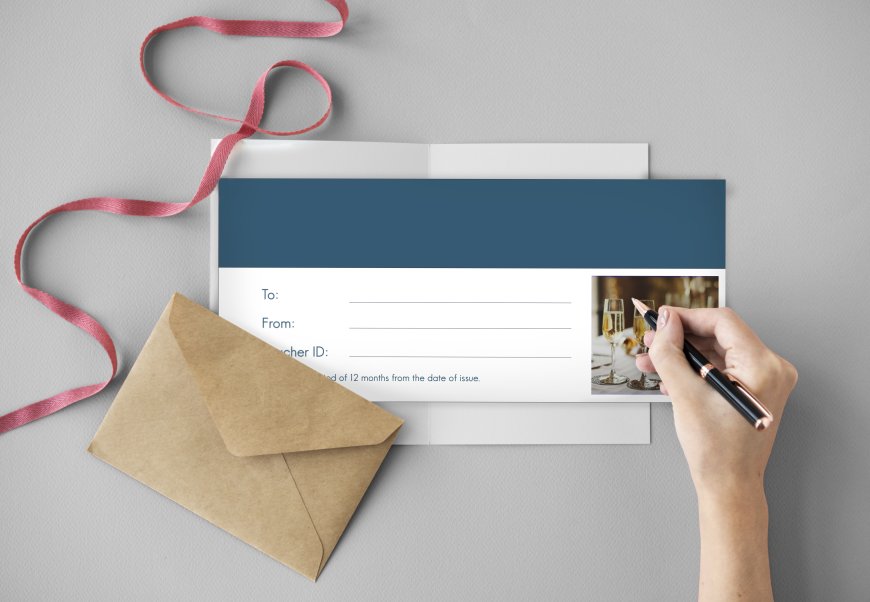
In an age dominated by instant messaging, emails, and digital ads, physical communication still holds a powerful and lasting impact. One of the most underestimated yet essential elements of this communication is envelope printing. Far from being just a paper cover, a printed envelope represents your brand, your professionalism, and your attention to detail. With the integration of modern technology, envelope printing has evolved into a smart, efficient, and highly customizable process that supports businesses, institutions, and individuals alike.
This blog explores envelope printing from a technological and informational perspective—how it works today, why it matters, and how innovation is reshaping this traditional medium.
Understanding Envelope Printing in the Modern Era
Envelope printing is the process of applying text, designs, logos, or data onto envelopes for mailing or distribution purposes. Traditionally, this involved basic printing methods with limited design flexibility. Today, advanced printing technologies have transformed envelopes into intelligent brand carriers.
Modern envelope printing is not just about ink on paper; it combines precision machinery, software-based customization, and quality control systems to ensure accuracy and consistency. From corporate correspondence to transactional mail, envelopes now play a strategic role in communication workflows.
Why Envelope Printing Still Matters in a Digital World
Despite the rise of digital communication, printed mail continues to command attention. Studies show that physical mail is more likely to be opened and remembered than emails. Envelope printing enhances this impact by adding credibility and personalization.
A professionally printed envelope signals trust, authenticity, and importance. Whether it is a business invoice, legal document, invitation, or promotional mailer, the envelope creates the first impression before the message is even read.
The Technology Behind Modern Envelope Printing
The real transformation in envelope printing comes from technology. High-speed digital presses, automated feeders, and data-driven printing systems have revolutionized the process.
1. Digital Printing Systems
Digital envelope printing allows for quick setup, minimal waste, and variable data printing. Unlike traditional offset printing, digital systems can print different information on every envelope without slowing down production. This is especially useful for billing statements, direct mail campaigns, and personalized communication.
2. Variable Data Printing (VDP)
Variable data printing enables each envelope to carry unique information such as names, addresses, QR codes, or tracking numbers. Controlled by software, VDP improves accuracy and personalization while reducing manual errors.
3. Automated Address Verification
Advanced envelope printing workflows integrate address verification technology. This ensures that addresses are formatted correctly according to postal standards, reducing undelivered mail and saving costs.
4. Barcode and Tracking Integration
Many envelope printing solutions now support intelligent barcodes and tracking marks. These features allow mail to be tracked through postal systems, improving transparency and delivery confidence.
Types of Envelope Printing Applications
Envelope printing serves multiple industries and purposes. Each application benefits from technological precision and customization.
Business and Corporate Communication
Businesses use printed envelopes for invoices, contracts, official notices, and client correspondence. Consistent branding and accurate addressing reinforce professionalism and reliability.
Direct Mail and Marketing Campaigns
Printed envelopes play a key role in direct mail marketing. With data-driven printing, businesses can target specific audiences, customize messaging, and test different envelope designs for better response rates.
Financial and Transactional Mail
Banks, insurance companies, and service providers rely heavily on envelope printing for statements and confidential documents. Technology ensures security features such as controlled printing, precise alignment, and tamper-evident designs.
Invitations and Event Communication
From weddings to corporate events, envelope printing adds elegance and clarity. Modern systems allow for creative layouts, accurate guest lists, and consistent quality even for small batches.
Materials and Precision in Envelope Printing
Technology has also improved material handling in envelope printing. Machines are designed to accommodate different envelope sizes, paper weights, and finishes without compromising print quality.
Sensors and alignment systems ensure that printing occurs in the correct position, preventing smudging or misplacement. This precision is critical when printing logos, window envelopes, or security patterns.
Customization Through Smart Software
One of the biggest advancements in envelope printing is software-driven customization. Design templates, proofing tools, and print management systems allow users to control every aspect of the envelope.
Real-time previews, automated approvals, and cloud-based storage make it easy to manage large-scale printing projects. This reduces turnaround time while maintaining accuracy and consistency.
Sustainability and Efficient Envelope Printing
Technology has also made envelope printing more sustainable. Modern presses use efficient ink systems, reduced waste workflows, and energy-optimized machinery.
Digital printing eliminates the need for plates, lowers setup waste, and supports short-run printing—helping businesses print only what they need. Address accuracy tools further reduce returned mail, contributing to environmental responsibility.
Security and Compliance in Envelope Printing
For sensitive communications, envelope printing technology supports security measures such as:
-
Controlled access printing environments
-
Secure data handling systems
-
Consistent placement of confidential information
-
Compliance with postal and regulatory standards
These features are essential for industries handling personal, financial, or legal data.
The Role of Envelope Printing in Brand Identity
Every printed envelope is a brand touchpoint. Color accuracy, logo placement, typography, and layout consistency all contribute to brand recognition.
Technology ensures that branding elements are reproduced accurately across thousands of envelopes. Automated color calibration and quality checks maintain uniformity, reinforcing trust and familiarity.
Future Trends in Envelope Printing
Envelope printing continues to evolve with emerging technologies. Intelligent automation, AI-driven workflow optimization, and smart mail integration are shaping the future.
Personalized envelopes linked to digital experiences—such as QR codes directing recipients to online content—are becoming more common. This fusion of print and digital communication expands the value of envelope printing beyond traditional boundaries.
Conclusion
Envelope printing is no longer a simple mechanical task; it is a sophisticated, technology-driven process that supports effective communication. By combining precision printing, smart software, data integration, and sustainable practices, modern envelope printing delivers accuracy, personalization, and impact.
In a world where attention is scarce, a well-printed envelope stands out. It carries not just information, but intent, credibility, and professionalism. As technology continues to advance, envelope printing will remain a vital bridge between physical communication and intelligent systems—proving that print still has a powerful place in modern communication.