










How Do Authors Build Suspense in Psychological Mystery Stories?

Mystery has always been a powerful literary force. From early detective fiction to todays supernatural thrillers, readers return to the genre because it promises something few others can deliver, curiosity, tension, and the need to uncover the truth. As audiences evolve, so does their taste. Many now seek stories that dig deeper than traditional crime-solving tales. They look for narratives that explore memory, trauma, perception, and the human mind. This shift has pushed psychological mysteries into the spotlight, transforming them into one of the most compelling genres of modern fiction.
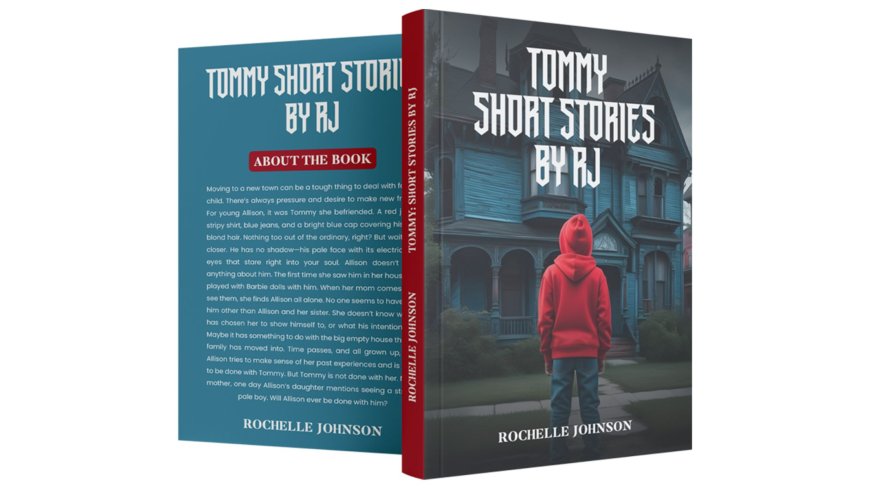
For many readers searching forbooks for mystery lovers, the journeyoften leads them toward stories that feel both familiar and unsettling. These are stories that challenge logic, blur the line between reality and imagination, and linger long after the last page is turned. Rochelle Johnson, author ofShort Stories by RJ, writes directly into this space, blending supernatural elements with emotional depth to create experiences that are both eerie and meaningful.
This article explores why psychological mystery fiction resonates so strongly, how modern writers approach the genre, and why readers are increasingly drawn to stories that examine the shadows of the human mind.
The Rise of Psychological Mystery Fiction
Traditional mystery stories rely on external conflict: a crime, a disappearance, a puzzle that must be solved. Psychological mysteries, however, turn inward. Instead of askingwhathappened, they ask why it happened, and how fragile the human mind can be when pushed to its limits.
Several factors explain the growing popularity of these narratives:
-
Readers Desire Emotional Depth
Psychological mysteries lean on character development more than plot mechanics. While twists and discoveries still matter, the emotional journey is often the center of the story. Readers connect with characters who feel flawed, confused, worried, or haunted. These feelings make the story more immersive and relatable.
-
The Genre Reflects Real-World Complexities
We live in a world where mental health, trauma, and identity are openly discussed. Fiction has followed this shift. Instead of offering clean answers, psychological mysteries reveal how perception can be distorted by experience. They acknowledge that truth is not always absolute.
-
The Unreliable Narrator Has Become Iconic
One of the most powerful tools in the genre is a narrator who cannot be fully trustedeither because of their emotional state, past experiences, or supernatural influences. Rochelle Johnson uses this technique through the character of Allison, whose mysterious bond with Tommy creates uncertainty about what is real and what is imagined.
What Makes a Psychological Mystery Captivating?
Not every mystery taps into the psychological realm effectively. Successful stories share several defining qualities that keep readers turning pages.
A Character-Centered Mystery
Readers must feel invested in the inner life of the protagonist. Their fears, suspicions, and emotions drive the suspense. When the mystery affects the character personally, the stakes rise and the tension deepens.
Atmosphere and Mood
Psychological mysteries use setting as more than backgroundit becomes a force in the narrative. Whether its a childhood home, an isolated town, or a place filled with unresolved memories, environment shapes how characters behave and what they believe.
Ambiguity
Great psychological fiction understands that some questions must remain unanswered. Ambiguity heightens tension and allows the reader to become part of the investigation. The line between truth and perception is intentionally blurred.
Themes Rooted in Human Experience
Identity, memory, grief, fear, imagination, these universal themes give psychological mysteries emotional weight. They allow readers to see pieces of themselves within the story.
The Supernatural as an Extension of Emotion
Many modern psychological mysteries include supernatural touches. These elements do not always serve as literal ghosts or paranormal forces. Instead, they can symbolize emotional shadows, memories that follow a character, fears that take shape, or unresolved trauma that feels alive.
In Rochelle Johnsons writing, the figure of Tommy represents something more than a childhood friend. He becomes a constant presence who shapes Allisons reality. Readers are left questioning why he appears, what he represents, and how deeply he is tied to the protagonists past. This blend of realism and the supernatural amplifies the psychological tension.
Why Readers Are Drawn to Complex, Layered Stories
Psychological mysteries reward careful reading. Clues are hidden in dialogue, flashbacks, character behavior, and emotional cues. The story slowly reveals itself through subtle details rather than straightforward explanations.
Readers enjoy this because:
- It feels interactive - almost like solving a puzzle alongside the protagonist.
- It challenges assumptions, encouraging reflection and deeper thinking.
- It evokes emotion, making the experience immersive and memorable.
- It offers surprise, often through quiet revelations rather than dramatic shocks.
The result is a reading experience that stays with the audience long after the final chapter.
How Rochelle Johnson Approaches the Genre
At the heart of Johnsons work is an interest in how past experiences shape identity. Her stories explore the impact of childhood memories, the mysteries hidden within relationships, and the conflict between logic and intuition.
InShort Stories by RJ, the connection betweenAllison and Tommy raises questions that extend beyond traditional mystery storytelling:
- Why does Tommy appear throughout her life?
- Is he a memory, a spirit, or a symbol?
- How does her perception of him evolve as she grows older?
- What does he represent about innocence, fear, and fate?
These questions invite readers to confront their own interpretations of the unknown, making the story deeply personal and emotionally resonant.
Her work fits naturally within the world ofpsychological mystery stories, but it also stands apart because of its emphasis on atmosphere, character emotion, and supernatural undertones.
Conclusion
Mystery fiction has transformed significantly over time, but its core appeal remains unchanged: readers want to search for answers. With psychological mysteries, the search becomes more internal, more emotional, and more reflective. The genre reminds us that the greatest puzzles often come from within the mind itself.
For readers who crave depth, atmosphere, and stories that challenge their sense of reality, psychological mysteries offer an experience that is as thought-provoking as it is thrilling. Rochelle Johnsons work continues this tradition, blending suspense, emotion, and the uncanny into stories that stay with readers long after the final page.
If you are seeking fiction that encourages curiosity, engages emotions, and explores the darker corners of memory and imagination, psychological mysteries will always offer something unforgettable.