







Fitrana In Islam 2026 Guide Before Eid Ul Fitr

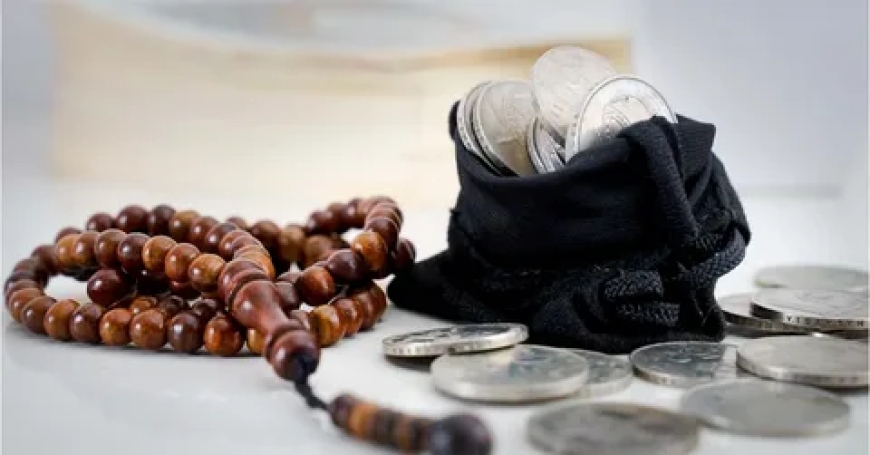
As Ramadan 2026 draws to a close, Muslims around the world prepare for one of its final and most important obligations. Fitrana in Islam 2026 is not only a financial duty but a deeply compassionate act that ensures no one is left hungry or unsupported on the day of Eid ul Fitr. It reflects the spirit of mercy, dignity, and collective responsibility that Islam emphasizes throughout the holy month.
For donors today, fitrana is more than a ritual payment. It is a chance to restore balance in society, support healthcare needs, and bring relief to families facing hardship. Understanding how, when, and where to give fitrana in 2026 helps ensure this obligation truly benefits those who need it most.
Understanding The Meaning Of Fitrana In Islam
Fitrana, also known as Zakat al Fitr, is a compulsory charity given at the end of Ramadan. Its purpose is twofold. First, it purifies the fasting person from mistakes or shortcomings during the month. Second, it provides immediate assistance to the poor so they can celebrate Eid with dignity.
Islamic scholars emphasize that fitrana must be given before the Eid prayer. When delayed, it loses its intended status and becomes a general charity instead. This timing highlights the urgency of the obligation and its role in meeting immediate needs.
Why Fitrana Matters More Than Ever In 2026
Economic pressures, rising healthcare costs, and global instability have increased vulnerability for many families. In 2026, fitrana plays a critical role in supporting food security, medical care, and basic necessities.
For donors who want their contributions to genuinely improve health and well-being, fitrana can support initiatives such as emergency medical aid, access to treatment, and nutrition support. When distributed responsibly, it becomes a lifeline rather than a symbolic gesture.
Who Is Obligated To Pay Fitrana
Fitrana is obligatory upon every Muslim who possesses wealth beyond basic needs on the night before Eid. This includes adults responsible for dependents, meaning one person often pays on behalf of their household.
The obligation is simple and universal. It reinforces equality by ensuring that everyone who is able contributes toward collective welfare, regardless of social status.
How Much Is Fitrana In Islam 2026
The amount of fitrana is traditionally based on the value of staple food items such as wheat, rice, or dates. Scholars allow its equivalent value to be paid in money to make distribution easier and more effective.
The exact amount may vary by region, but the intention remains the same. It must be sufficient to meet the basic needs of a poor person for the day of Eid. Donors should follow reliable guidance to ensure compliance with Islamic principles.
This is why many donors seek clarity on zakat al fitr in islam 2026, ensuring their contribution aligns with scholarly consensus and local needs.
The Link Between Fitrana And Healthcare Support
Charity in Islam extends beyond food assistance. Healthcare support is an essential part of preserving human dignity. When fitrana funds are allocated responsibly, they can help cover urgent medical expenses, provide access to clinics, and support preventive care.
Organizations that integrate healthcare services into their charitable work ensure fitrana has a lasting impact. Supporting treatment, diagnostics, and essential medicines helps families move beyond crisis toward stability.
Facilities such as Yaqeen Healthcare Clinic represent how charitable funds can be channeled into meaningful health outcomes when managed transparently.
Choosing A Trustworthy Organization For Fitrana
Not all charitable channels operate with the same level of accountability. Donors today want assurance that their fitrana reaches eligible recipients on time and in the right form.
A trustworthy organization follows Shariah guidelines, verifies beneficiaries, and prioritizes fair and timely fitrana distribution. Transparency in reporting and field verification strengthens donor confidence and ensures compliance with Islamic obligations.
This is where working with the Yaqeen Welfare Organization becomes significant. Their structured approach focuses on dignity, accountability, and impact rather than volume alone.
When And How To Pay Fitrana Before Eid
The correct time to pay fitrana begins in the last days of Ramadan and ends before the Eid prayer. Many scholars encourage early payment to allow proper distribution.
Modern donation methods make it easier to fulfill this duty on time. Online platforms help donors contribute quickly while ensuring funds are allocated responsibly. Early payment also allows organizations to plan distribution more effectively.
Those looking for guidance on Yaqeen Welfare Fitrana 2026 benefit from clear processes that align with Islamic rulings and humanitarian needs.
How Fitrana Supports Community Stability
Fitrana strengthens social bonds. It reminds communities that joy is incomplete if others are suffering. By meeting immediate needs, it reduces inequality and fosters empathy.
When healthcare and nutrition are supported through fitrana, the impact extends beyond Eid. Families experience relief from medical stress, children gain better health outcomes, and communities grow more resilient.
This broader impact transforms fitrana from a one-day obligation into a foundation for long-term well-being.
Making A Meaningful Donation Choice
Donors often ask how they can ensure their charity truly helps. The answer lies in intention, timing, and trust. Choosing organizations with proven systems ensures fitrana fulfills its purpose.
If you are seeking Help with a donation, focus on causes that combine compassion with accountability. Healthcare-linked charity ensures your contribution addresses urgent and lasting needs at the same time.
For those ready to give, donating through https://yaqeen.org/donate/ allows fitrana to reach deserving recipients with transparency and care.
Final Thought
Fitrana in Islam 2026 is a powerful reminder that faith and compassion go hand in hand. It purifies the individual while uplifting the community. When given thoughtfully, it becomes a source of healing, dignity, and hope.
As Eid approaches, fulfilling this obligation on time ensures that joy is shared by all. Choosing responsible channels allows your charity to truly change lives and support health where it is needed most.