










Fire Warden Training Melbourne: Skills Every Emergency Control Officer Needs
Enroll in fire warden training in Melbourne to learn emergency preparedness, evacuation, and safety skills. Certification provided.

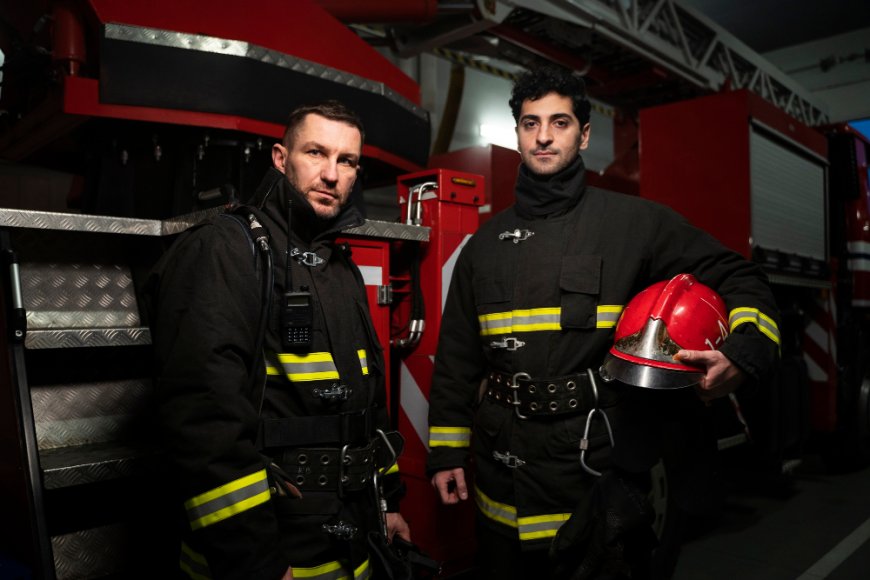
Promoting workplace safety is vital for businesses of any nature, and being ready to counter uncertain situations will create a healthy work environment. Fire emergencies are unknown, and the right approach needs knowledge, skills, and quick decision-making. For those accountable for managing emergencies, acquiring the skills is important. A critical course for this objective is fire warden training in Melbourne, which equips participants with the skills and knowledge to respond effectively during fire events and other workplace situations.
This kind of training program is not limited to formal needs but also ensures that individuals can secure employees, visitors, and property while meeting safety protocols.
Key Competencies Learned in Fire Warden Training
Emergency control officers gain a variety of skills through this kind of training, which prepares them to act decisively during crises. These skills include:
- Risk Assessment: Understanding potential fire hazards in different workplace settings and knowing how to mitigate risks.
- Emergency Planning: Developing and implementing procedures for evacuations, alarms, and communications.
- Use of Firefighting Equipment: Learning to operate extinguishers, fire blankets, hose reels, and other safety devices correctly.
- Evacuation Management: Coordinating safe and orderly movement of occupants during emergencies.
- Communication Protocols: Reporting incidents to relevant authorities and guiding staff effectively.
- Post-Emergency Procedures: Conducting follow-up actions such as site inspection, reporting, and recovery planning.
These skills ensure that emergency control officers are confident and capable of handling fire-related incidents.
How Fire Warden Training is Conducted
Modern programs use a combination of theory and hands-on exercises to reinforce learning.
- Classroom Instruction: Covers Australian Standards (AS 3745 and AS 4083), workplace health and safety laws, and fire prevention strategies.
- Practical Demonstrations: Participants handle fire extinguishers, conduct mock evacuations, and engage in scenario-based exercises.
- Assessment and Certification: At the end of the course, attendees complete evaluations to demonstrate their understanding and competencies.
The course ensures participants leave equipped with a nationally recognized Statement of Attainment, which is essential for emergency control roles.
Who Should Attend Fire Warden Training
The training is suitable for anyone involved in workplace safety and emergency management. Typical participants include:
- Floor or area wardens are responsible for sections of a building.
- Deputy wardens assisting the primary warden.
- Facilities managers oversee building operations.
- Safety officers and personnel in high-risk workplaces.
- Staff members are designated to lead evacuations in emergencies.
Even employees without prior experience can benefit, as the course is designed to make complex emergency procedures understandable and actionable.
Preparing for the Course
Proper preparation helps participants gain the maximum benefit from this kind of training program:
- Bring Identification: A government-issued photo ID is required to enroll.
- USI Registration: Participants must have a valid Unique Student Identifier to attend vocational education in Australia.
- Familiarize with Workplace Layout: Knowing building exits, fire equipment locations, and assembly points enhances practical exercises.
- Dress Appropriately: Comfortable clothing suitable for both classroom and practical drills.
Being prepared ensures a smooth learning experience and successful course completion.
Practical Applications of Fire Warden Training
Skills learned in the course are directly applicable to everyday workplace safety.
Emergency control officers can:
- Conduct regular fire drills to test evacuation procedures.
- Identify potential fire hazards and recommend corrective actions.
- Respond promptly and safely during actual fire events.
- Communicate clearly with staff and emergency services.
- Support post-incident reporting and recovery activities.
These applications make workplaces safer and demonstrate compliance with regulatory requirements.
Legal and Regulatory Importance
Completing the course is not only a safety measure but also a legal obligation for many workplaces. Australian Standards such as AS 3745 require trained personnel to manage emergencies and maintain safety procedures. Non-compliance can result in legal consequences, fines, and increased liability in the event of a fire or other workplace incident.
- Workplace Compliance: Trained fire wardens help organizations meet safety obligations.
- Liability Reduction: Proper training helps mitigate the risks of injury, property damage, and legal action.
- Professional Credibility: Demonstrates that the organization prioritizes the safety of its employees and visitors.
Having certified personnel ensures that emergency management responsibilities are met effectively.
How does it Enhance Career Opportunities?
Fire warden certification benefits both individuals and organizations.
- Career Growth: Emergency control skills are valuable for roles in facilities management, occupational health and safety, and corporate compliance.
- Increased Employability: Organizations prefer staff with nationally recognized training certifications.
- Leadership Development: Trained wardens often take on leadership roles in safety committees and emergency response teams.
Investing in this type of certification will enhance workplace safety and career prospects.
Enroll in Fire Warden Training Today
Ensuring workplace safety starts with knowledgeable and capable personnel. By enrolling in fire warden training in Melbourne, individuals gain the skills necessary to manage emergencies confidently and professionally. Training Aid Australia offers accredited, nationally recognized courses that prepare participants to meet regulatory requirements and handle emergencies efficiently.
Secure your spot today with Training Aid Australia and gain the knowledge and certification needed to become an effective emergency control officer.