









Building the Ultimate On-Demand App: Trends and Insights for 2026
Explore the top trends shaping on-demand apps by 2026, including AI, blockchain, sustainability, and hyperlocal services, driving innovation in the industry.
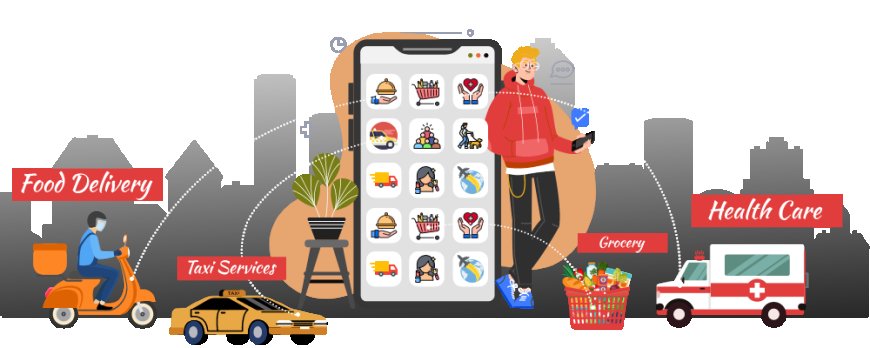
The on-demand app market has witnessed explosive growth in recent years, transforming industries and shaping consumer behavior. From ride-hailing to food delivery, the convenience of accessing services with a few taps on a smartphone has changed the way we live and work. As we approach 2026, the evolution of on-demand apps shows no signs of slowing down. In fact, the upcoming years promise to bring even more innovative technologies and business models into the fold.
In this article, we'll explore the latest trends and insights that are set to define the future of on-demand apps and how businesses can leverage these trends to build the ultimate on-demand app experience.
The Current Landscape of On-Demand Apps
Before delving into whats next for on-demand apps, its essential to understand where the industry currently stands. On-demand apps have disrupted traditional service-based industries, offering users a fast, convenient, and personalized experience. These apps typically connect users with providers offering everything from transportation (Uber, Lyft) and food delivery (DoorDash, UberEats) to freelance work (Upwork, Fiverr) and even healthcare services (Heal, Zocdoc).
In 2023, the on-demand economy was valued at over $75 billion globally and is projected to grow at a compounded annual growth rate (CAGR) of 20% through 2026. The factors driving this growth include advancements in technology, shifting consumer preferences for instant gratification, and a broader shift towards gig-based economies.
Key Trends Shaping On-Demand Apps in 2026
As we move towards 2026, the on-demand app landscape is set to evolve in exciting ways, driven by technological advancements and changing consumer expectations. The following key trends will define the future of on-demand services, offering both opportunities and challenges for businesses aiming to stay ahead of the curve. Companies like RichestSoft - On-Demand App Development Solutions are already at the forefront of leveraging these trends to help businesses create impactful and scalable solutions.
1. Artificial Intelligence (AI) and Machine Learning Integration
AI and machine learning (ML) technologies have already begun making their mark in the on-demand app ecosystem, and by 2026, they will be even more integral to the user experience.
-
Personalization: AI algorithms will become more sophisticated, enabling apps to offer highly personalized experiences based on user behavior, preferences, and location. From recommending the best restaurants to dynamically adjusting ride prices, AI will help deliver tailored experiences.
-
Predictive Analytics: On-demand apps will leverage ML to predict demand patterns more accurately, allowing for optimized dispatching of resources (e.g., drivers, delivery personnel, etc.), reducing wait times, and improving overall service efficiency.
-
Customer Support: Chatbots powered by AI will handle customer inquiries in real-time, resolving issues quickly and seamlessly, offering a level of service that goes beyond traditional support.
2. Voice and Conversational Interfaces
Voice-activated commands have gained significant traction in recent years, and this trend will continue to rise. By 2026, its expected that voice search will account for over 50% of all online queries. This shift will be mirrored in on-demand apps.
-
Voice-Activated Services: Users will be able to place orders, book rides, and request services simply by speaking to their devices. Whether its hailing a cab, ordering groceries, or scheduling a cleaning service, voice interfaces will provide a more hands-free, user-friendly experience.
-
Conversational Commerce: On-demand apps will integrate chatbots and virtual assistants capable of engaging customers in natural language conversations. This will allow businesses to guide users through purchases, bookings, or service requests intuitively and efficiently.
3. Blockchain for Security and Transparency
As concerns about data privacy and security continue to rise, blockchain technology is poised to become a game-changer in the on-demand space.
-
Decentralized Transactions: Blockchain can facilitate secure, peer-to-peer transactions without the need for intermediaries, reducing transaction fees and enhancing security. This will be particularly valuable for platforms that handle large amounts of sensitive data.
-
Transparent Supply Chains: For industries like food delivery and e-commerce, blockchain can provide a transparent, traceable record of every step in the supply chain. Consumers will be able to verify the origin of products, the status of their deliveries, and even track the carbon footprint of their orders.
4. Sustainability and Eco-Conscious Services
As climate change becomes a more pressing global issue, consumers are demanding greater sustainability from the companies they engage with. In 2026, on-demand apps will play a crucial role in promoting eco-friendly solutions.
-
Green Delivery Options: Expect to see more on-demand platforms offering electric vehicle (EV) or bicycle delivery options to reduce the carbon footprint. In cities where air pollution is a concern, businesses may also prioritize services that use electric cars or other green alternatives.
-
Sustainable Business Models: Platforms will explore ways to reduce waste and enhance sustainability, from offering eco-friendly packaging in delivery services to supporting carbon offset programs.
-
Green Consumerism: Customers will also be able to filter and choose services based on sustainability metrics, ensuring that their consumption aligns with their environmental values.
5. Hyperlocal Services and AI-Based Geo-Targeting
As the demand for faster, more localized services grows, on-demand apps will focus more on providing hyperlocal experiences.
-
Geo-Targeted Recommendations: Using AI and geolocation technology, on-demand apps will be able to make real-time suggestions to users based on their proximity to certain services. For example, an app could offer discounts on nearby restaurants or promote activities taking place in the user's neighborhood.
-
Localized Delivery Services: With the rise of on-demand grocery delivery and local services, apps will become more attuned to specific regional needs, offering tailored delivery options and local partnerships.
6. Subscription-Based On-Demand Services
While many on-demand services rely on a pay-per-use model, subscription services are becoming increasingly popular. For businesses, this model offers steady, predictable revenue streams. For users, it provides a sense of reliability and value.
-
Convenience at a Fixed Price: From meal kits to personal assistants, consumers will increasingly prefer subscription-based access to on-demand services. These models allow users to commit to regular services without having to engage in multiple transactions or repeat ordering.
-
Exclusive Content and Benefits: Platforms will also offer premium memberships that provide users with exclusive access to content, faster services, or additional perks. For example, a food delivery service might offer free delivery on all orders for a monthly fee.
Challenges and Considerations
While the prospects for on-demand apps in 2026 are promising, building a successful app comes with its own set of challenges. Lets examine some of the hurdles businesses may need to overcome:
1. Ensuring Data Privacy and Compliance
With the increased use of AI, machine learning, and blockchain, data privacy concerns are bound to grow. Developers will need to ensure compliance with regulations like GDPR, CCPA, and other local laws to protect user data. Implementing robust security protocols, such as end-to-end encryption, will be critical in maintaining user trust.
2. Balancing Convenience with Sustainability
On-demand services that offer instant gratification, such as food delivery or ride-hailing, can contribute to environmental issues like congestion and increased carbon emissions. Businesses must find ways to balance the demand for fast services with sustainability goals, which could involve investing in green technologies or altering business models to prioritize eco-friendliness.
3. Creating Seamless User Experiences
As on-demand apps grow more complex, ensuring a smooth, frictionless experience becomes increasingly important. Businesses will need to constantly iterate on their user interfaces and streamline onboarding processes to meet the ever-higher expectations of tech-savvy consumers.
4. Managing Logistics and Scalability
As demand grows and users increasingly expect immediate service, businesses will face challenges in scaling operations efficiently. This will require sophisticated logistics management, predictive algorithms, and a flexible infrastructure to meet fluctuating demand without compromising quality.
Conclusion
The future of on-demand apps looks incredibly exciting. With advancements in AI, blockchain, sustainability practices, and hyperlocal targeting, the apps of 2026 will provide a level of service, personalization, and convenience thats hard to imagine today. As competition grows, businesses that focus on building innovative, user-centric solutions while addressing challenges related to privacy, logistics, and sustainability will lead the way. For entrepreneurs and developers, this presents a wealth of opportunities to create the next generation of on-demand experiences.
By leveraging these emerging trends, businesses can create an app that not only meets the demands of todays consumers but also anticipates the needs of tomorrows on-demand world.