










Wound Dressing at Home After Surgery: What You Need to Know

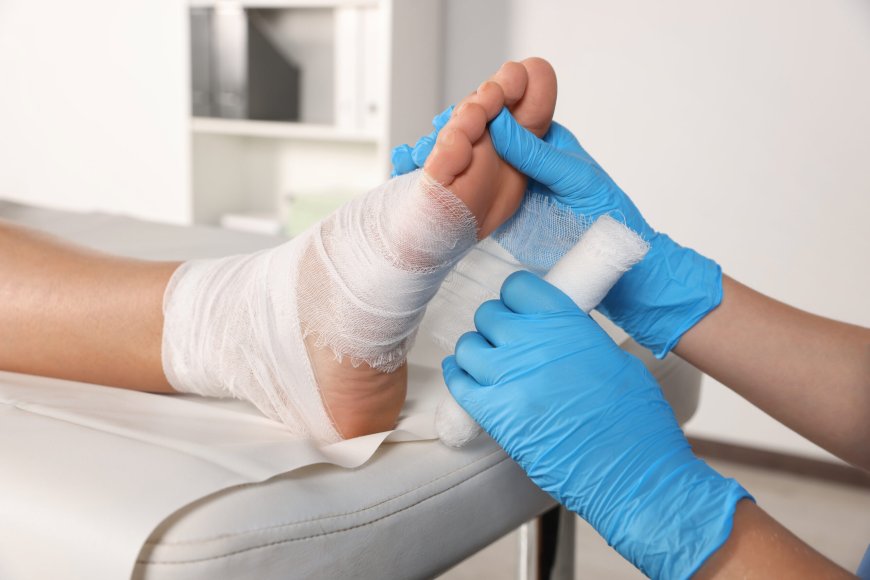
Recovering from surgery at home requires careful attention to wound care to prevent infections and ensure proper healing. Wound Dressing at Home after surgery allows patients to manage their recovery safely while maintaining comfort and hygiene. Proper techniques, supplies, and monitoring are essential to reduce the risk of complications, promote faster healing, and support overall well-being. This guide covers everything you need to know to manage post-surgical wounds effectively in a home setting.
Understanding Post-Surgical Wounds:
Post-surgical wounds vary depending on the type of surgery, location, and complexity. Proper care is crucial to prevent infections and support tissue repair. Key points include:
-
Surgical wounds are prone to bacterial contamination if not handled properly
-
Healing requires consistent monitoring and care
-
The type of incision determines the dressing and frequency of changes
-
Awareness of warning signs helps in early intervention
Understanding your surgical wound ensures safe and effective home wound management.
Essential Supplies for Home Wound Dressing:
Having the right supplies is critical for maintaining hygiene and protecting the surgical site. Proper materials reduce the risk of infection and promote healing. Essential supplies include:
-
Sterile gauze pads or non-stick dressings
-
Adhesive medical tape or elastic bandages
-
Antiseptic solutions or sterile saline
-
Disposable gloves for handling the wound
-
Scissors, tweezers, and proper waste disposal bags
Organizing supplies beforehand makes dressing changes smoother and safer.
Preparing the Surgical Wound:
Preparation is a key step to ensure safe and effective dressing at home. Begin by washing hands thoroughly and putting on disposable gloves. Remove any old dressing carefully without disturbing new tissue. Clean the wound gently with sterile saline or a recommended antiseptic solution. Key steps include:
-
Washing hands and wearing gloves
-
Carefully cleaning the wound and surrounding skin
-
Removing old dressings gently
-
Preparing all materials before beginning the dressing
Proper preparation minimizes the risk of infection and sets the stage for successful healing.
Applying Dressings Correctly:
Correct application of dressings protects the wound and supports recovery. Post-surgical wounds may require specialized dressings depending on the type and location of the incision. Guidelines include:
-
Selecting the right dressing type for moisture control and protection
-
Avoiding adhesive contact with delicate tissue
-
Securing the dressing without cutting off circulation
-
Ensuring complete coverage of the wound
Proper application maintains a sterile environment and reduces the risk of complications.
Dressing Change Frequency and Monitoring:
Regular monitoring and timely dressing changes are essential for surgical wound care. The frequency depends on the wound type, dressing used, and healthcare provider recommendations. Best practices include:
-
Changing dressings when wet, dirty, or according to medical instructions
-
Checking for redness, swelling, discharge, or unusual odor
-
Monitoring healing progress and noting any changes
-
Keeping a record of dressing changes for reference
Consistent monitoring allows early detection of issues and ensures proper healing.
Managing Pain and Discomfort:
Pain and discomfort are common after surgery, and managing them is key to successful wound care. Strategies include:
-
Using recommended topical or oral pain relief as prescribed
-
Handling the wound gently during dressing changes
-
Using distraction techniques or supportive pillows to reduce movement
-
Providing reassurance to alleviate anxiety and stress
Proper pain management ensures dressing changes are tolerable and wound care remains consistent.
Preventing Infection at Home:
Post-surgical wounds are particularly vulnerable to infection, so strict hygiene is critical. Key precautions include:
-
Washing hands thoroughly before and after each dressing change
-
Wearing sterile gloves and using clean tools
-
Keeping the wound covered and preventing accidental contact
-
Disposing of used dressings safely
-
Monitoring for signs of infection and contacting a healthcare provider if noticed
Maintaining infection control is essential for safe home recovery after surgery.
Avoiding Common Mistakes:
Even minor errors in post-surgical wound care can delay healing or lead to complications. Common mistakes to avoid include:
-
Using non-sterile or inappropriate dressings
-
Changing dressings too frequently or infrequently
-
Applying adhesives directly to sensitive tissue
-
Ignoring early signs of infection, such as redness, swelling, or discharge
Being mindful of these mistakes ensures smoother recovery and safer wound management.
Final Thoughts:
Wound Dressing at Home after surgery requires careful attention, proper supplies, and adherence to hygiene and monitoring protocols. By understanding post-surgical wounds, selecting the right materials, applying dressings correctly, and observing signs of infection, patients can manage recovery effectively at home. Managing pain, maintaining cleanliness, and avoiding common mistakes further enhance healing and comfort. Following these best practices ensures safer, faster, and more successful recovery after surgery.