









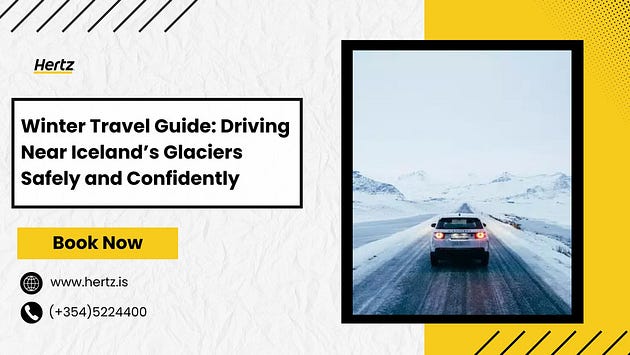
Winter Travel Guide: Driving Near Iceland’s Glaciers Safely and Confidently
Exploring Iceland in winter feels like stepping into a different world. Snow-covered mountains, frozen coastlines, and glacier landscapes create a dramatic backdrop for self-drive travelers.
While you cannot drive onto the glaciers themselves, you can visit the designated parking areas that sit close to them, offering unforgettable views and access to guided experiences.
Planning this kind of winter journey means balancing adventure with preparation so you can enjoy the scenery without unnecessary stress.
Understanding how winter travel works in Iceland helps you feel confident behind the wheel. Shorter days, icy roads, wind gusts, and quickly shifting weather patterns all influence how you plan your visit.
With reliable preparation and the right vehicle, reaching popular glacier viewpoints becomes a comfortable and enjoyable part of the adventure.
Understanding Winter Driving Conditions in Iceland
Driving in Iceland during the colder months introduces unique road conditions. Surfaces can shift from wet to icy within minutes, especially around bridges, mountain passes, and open plains. Many routes near glacier viewing areas, such as those leading towardVatnajkullorSlheimajkull, remain accessible year-round, but they require extra attention.
As temperatures drop, patches of black ice blend into the road and can surprise even experienced drivers. Snowfall reduces visibility, and the winter daylight window can be as short as five hours.
These elements are manageable when you plan, but they make it is important to take your time and avoid rushing.
One of the most helpful steps you can take is checking the weather and road conditions every morning before heading out. Icelands official road and weather websites update frequently, offering reliable guidance for your route and timing.
Why Vehicle Preparation Matters
Choosing a winter-ready vehicle makes a noticeable difference on Icelandic roads. Roads near glacier viewpoints may be paved, but winter transforms their surface texture and traction. Rental cars equipped with proper winter tires, sturdy handling, and dependable braking performance help you move more confidently in these conditions.
Many visitors select all-wheel drive or four-wheel drive models because these vehicles add stability on icy stretches and give you greater control when snow accumulates.
A single slippery corner or sudden temperature drop can affect your drive, and having the right equipment helps you stay safe and relaxed.
Hertz Iceland offers vehicles specifically prepared for Icelandic winters, including studded tires and models with higher ground clearance. Mentioned only once, as you requested, this type of winter-focused fleet allows travelers to handle scenic routes near glaciers with greater ease and peace of mind.
Planning a Winter Visit to Glacier Viewpoints
Reaching a glacier area in winter typically involves driving to a dedicated parking lot, then joining a guided tour or walking along marked paths. These viewpoints sit close to major routes, but the access roads may be narrow, frozen, or temporarily affected by weather.
Starting your day early ensures you make the most of available daylight, especially between November and January.
Many travelers plan their glacier outings around mid-morning so they can arrive when light is strongest, enjoy their time at the viewpoint, and return before darkness sets in. Because conditions change rapidly, flexibility becomes your best friend.
If visibility drops or heavy snowfall begins, adjusting your schedule protects both your safety and your enjoyment.
Preparing for Guided Glacier Activities
If your trip includes a guidedglacier hikeor ice cave tour, your preparation extends beyond the drive. Tour operators provide all necessary safety equipment, such as crampons, helmets, and ice axes. Your role is simply to arrive at the meeting point on time and dressed in warm, layered clothing suitable for winter hiking.
Getting to the trailhead may involve short gravel roads, uneven surfaces, or snow-packed sections. This makes choosing the right vehicle especially helpful, as some access points sit several kilometers away from main highways.
With reliable transportation, you can focus on the experience itself rather than worrying about the road ahead.
Essential Items to Carry in Your Car
Packing a few thoughtful items ensures you feel prepared throughout your journey:
- Extra layers or a warm blanket
- A fully charged mobile phone and a power bank
- Water and easy snacks
- An ice scraper and a small shovel if your rental provides them
- Printed confirmations of your tours or accommodations
Most importantly, give yourself permission to turn back or delay your trip if the weather changes. Icelands winter conditions are known for their intensity, and choosing the cautious option is always respected by locals. The goal is to enjoy the landscapes safely, not to push through discomfort.
A Safe, Scenic, and Rewarding Winter Journey
Driving near Icelands glacier viewpoints in winter is not about reaching extreme locations. It is about appreciating the countrys breathtaking natural beauty while traveling with awareness and confidence. With proper planning, the right vehicle, and a flexible mindset, you can enjoy a smooth and memorable self-drive experience.
Winter in Iceland rewards travelers who prepare thoughtfully. As you explore the icy valleys, towering mountains, and glacier horizons, youll understand why this season is cherished by so many returning visitors.
A safe journey creates space for the moments that matter most, and those memories become the highlight of your Iceland adventure.
A winter self-driving trip in Iceland is one of the best ways to experience this beautiful country. Here are 6 reasons to visit Iceland in winter for a self-driving trip.
FAQs
1. Is it safe to drive in Iceland during winter?
Yes, it can be safe with proper preparation, the right rental car, and up-to-date knowledge of weather and road conditions. Winter driving requires attention to ice, strong winds, and limited daylight, so planning is essential.
2. Can you drive to glacier viewpoints in Iceland during winter?
You cannot drive onto the glaciers, but you can access the designated parking areas near popular glacier viewpoints such as Vatnajkull and Slheimajkull. These roads are usually open in winter, but conditions may vary daily.
3. What type of car is best for winter driving in Iceland?
Most visitors choose a car with all-wheel or four-wheel drive, equipped with proper winter or studded tires. These features provide better traction and stability on icy and snow-covered roads.
4. Do I need special equipment or permits to drive near Icelands glaciers?
No special permit is required, but winter safety gear is recommended. Check weather and road updates, carry warm layers and emergency items, and choose a rental car suited for winter conditions.