













Window Glass Problems Causing Light Loss in Optical Systems
Facing light loss or image distortion in optical systems? Learn how the right window glass improves transmission, accuracy, and durability.

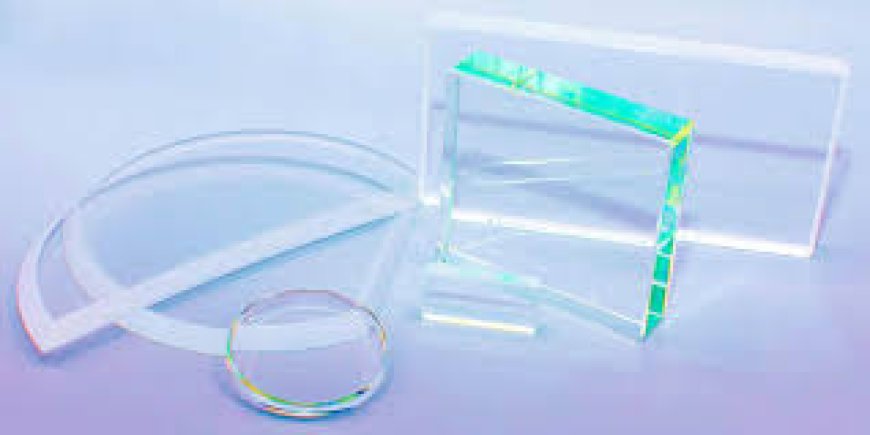
Why Your Optical System Loses Accuracy, Light, and Performance The Real Problem Is Window Glass
If your optical equipment delivers weak signal strength, distorted images, or unstable measurements, the issue is often blamed on sensors or coatings. However, in many optical systems, the real problem lies in the window glass. Poor-quality or mismatched window glass can quietly reduce performance, waste light, and even shorten the lifespan of expensive optical components.
In the optical industry, window glass is not just a protective layerit is a critical optical element that directly affects transmission, clarity, and system reliability.
Common Problems Caused by Incorrect Window Glass
Light Loss and Reduced Transmission
Low-grade or improperly selected window glass absorbs or reflects too much light. This reduces signal strength in lasers, imaging systems, and optical sensors.
Image Distortion and Measurement Errors
If the glass lacks proper flatness or optical quality, it can bend light unevenly. This causes image blur, focus shift, and inaccurate readings in precision instruments.
Damage to Internal Components
Without the right window glass, dust, moisture, and chemicals can enter the system, damaging lenses, detectors, and internal optics.
Why Window Glass Is Critical in the Optical Industry
In optical applications, window glass must allow light to pass through with minimal distortion while sealing and protecting the internal system. Unlike regular glass, optical window glass is manufactured with strict control over thickness, surface quality, and material purity.
A high-quality window glass ensures:
-
High optical transmission
-
Minimal wavefront distortion
-
Strong environmental protection
This makes it essential for both performance and durability.
How the Right Window Glass Improves System Performance
High Clarity and Optical Flatness
Precision-polished window glass maintains beam shape and image clarity, even in high-resolution optical systems.
Material Options for Different Wavelengths
Optical window glass can be made from materials like optical glass, fused silica, or sapphire to support visible, infrared, or ultraviolet wavelengths.
Coating Compatibility
Anti-reflection and protective coatings work best when applied to high-quality window glass, further improving transmission and reducing glare.
Using a professionally manufactured window glass helps maintain optical accuracy across demanding applications.
Applications That Depend on Optical Window Glass
Window glass plays a vital role in many optical industry applications, including:
-
Laser systems and beam delivery
-
Optical sensors and detectors
-
Cameras and imaging devices
-
Industrial inspection equipment
-
Medical and scientific instruments
In all these systems, window glass acts as the first optical surface light interacts with, making its quality extremely important.
Why Optical Window Glass Outperforms Standard Glass
Better Environmental Resistance
Optical window glass is designed to withstand temperature changes, pressure, and harsh environments without degrading performance.
Precision Manufacturing
Tight tolerances ensure consistent thickness and surface quality, reducing optical errors.
Long-Term Stability
High-grade materials resist yellowing, scratching, and surface damage, maintaining performance over time.
Choosing a reliable window glass solution helps prevent costly system failures and frequent maintenance.
Final Thoughts
If your optical system suffers from low transmission, distorted images, or reduced accuracy, the issue may not be complex electronics or advanced opticsit may simply be the wrong window glass. In the optical industry, window glass is a critical component that protects internal elements while preserving light quality. Selecting the right window glass ensures higher performance, better reliability, and longer system life, making it a smart investment for any precision optical application.






