













Why Wall-Mounted AC 60 Hz Is Preferred in Compact Marine Installations
Explore Wall-Mounted AC 60 Hz systems designed for reliable performance, energy efficiency, and consistent cooling in any space.

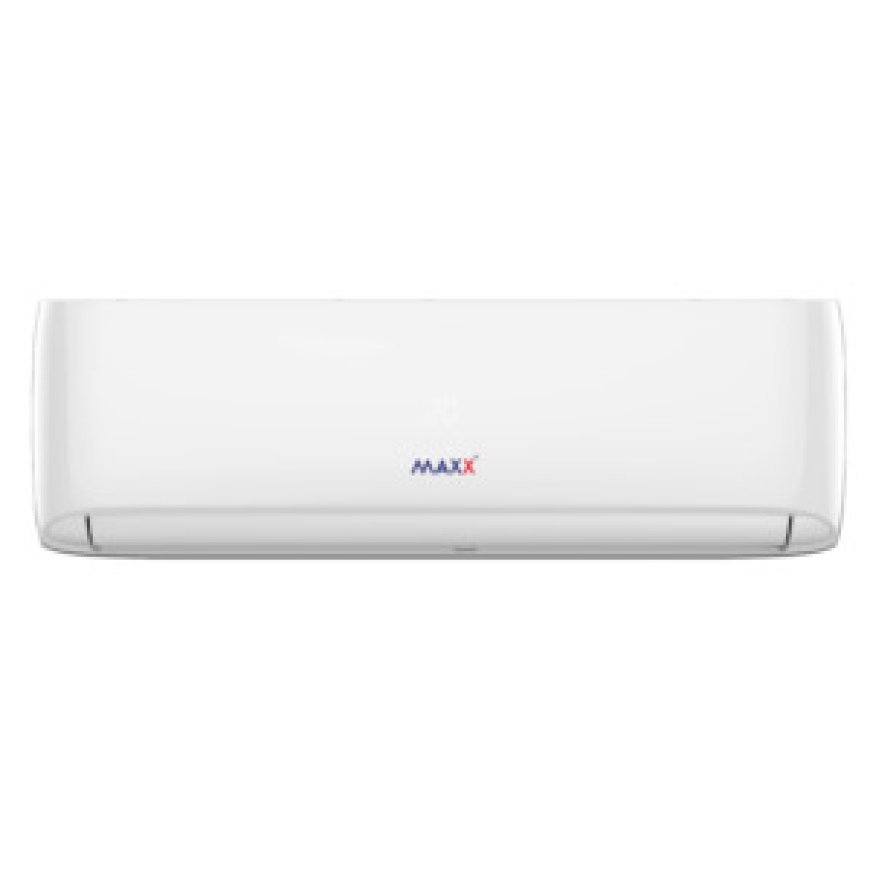
Cooling efficiency plays a critical role in marine environments where space, power availability, and operating conditions are significantly different from land-based buildings. Onboard vessels, offshore platforms, and floating accommodations, climate control systems must operate reliably under constant vibration, high humidity, and limited installation space. For these reasons, Wall-Mounted AC 60 Hz systems are widely preferred in compact marine installations.
This article explains why wall-mounted air conditioners designed for 60 Hz power systems are particularly suited for marine use, how they differ from conventional units, and what makes them effective in space-restricted environments.
The Challenge of Cooling in Compact Marine Spaces
Marine interiors are designed with strict space limitations. Cabins, control rooms, crew quarters, and technical spaces must accommodate essential equipment while maintaining comfort and safety. Unlike residential buildings, vessels cannot easily expand space to fit large cooling systems.
Marine air conditioning solutions must therefore:
-
Fit into confined layouts
-
Operate continuously without overheating
-
Handle high humidity and salt exposure
-
Maintain stable performance during vessel movement
In such environments, bulky floor-standing systems are often impractical. This is where wall-mounted solutions become valuable.
What Makes Wall-Mounted AC 60 Hz Suitable for Marine Installations?
A Wall-Mounted AC 60 Hz is specifically designed to operate on power systems commonly used in marine and offshore environments. Many vessels and offshore units rely on generators that supply electricity at 60 Hz, making frequency compatibility essential for safe and efficient operation.
Key advantages include:
-
Optimized motor and compressor performance
-
Reduced electrical stress
-
Stable cooling output
-
Longer equipment lifespan
When frequency and voltage are properly matched, air conditioning systems run smoothly and reliablyan important factor when maintenance access may be limited.
Space Efficiency Without Compromising Performance
One of the primary reasons wall-mounted systems are preferred onboard is their space-saving design. By mounting the unit on a wall, valuable floor space is preserved for movement, storage, or other equipment.
This is especially useful in:
-
Crew cabins
-
Wheelhouses and control rooms
-
Offshore accommodation modules
-
Technical and monitoring rooms
Despite their compact footprint, wall-mounted systems are capable of delivering effective cooling when properly sized and installed.
Role of Split System Design in Marine Cooling
Most wall-mounted marine air conditioners function as an Air conditioner split System, meaning the cooling process is divided between an indoor unit and an outdoor unit. This configuration offers several practical benefits in marine installations.
Key advantages of split systems include:
-
Reduced noise inside living areas
-
Flexible placement of components
-
Better airflow management
-
Easier maintenance access
By keeping the compressor outside occupied spaces, split systems improve onboard comfort while maintaining efficient heat exchange.
Importance of Electrical Compatibility: 60 Hz and 110V Systems
Electrical standards vary across regions and industries. Many marine vessels operate on generator-based power systems that differ from standard land-based grids. This makes electrical compatibility a critical selection factor.
A wall-mounted AC 110V designed to operate at 60 Hz ensures:
-
Correct motor speed
-
Stable compressor operation
-
Reduced risk of overheating
-
Improved energy efficiency
Using equipment that does not match the onboard electrical frequency can lead to performance issues, increased wear, and shortened service life.
Durability in Harsh Marine Conditions
Marine air conditioning systems are exposed to environmental challenges that are rarely encountered in residential settings. Salt air, moisture, and vibration can significantly impact standard equipment.
Wall-mounted units intended for marine use often feature:
-
Corrosion-resistant materials
-
Protected electrical components
-
Reinforced mounting structures
-
Sealed housings to prevent moisture ingress
These design elements help maintain consistent performance even in demanding offshore conditions.
Energy Efficiency and Operational Stability
Energy efficiency is especially important on vessels where power is generated onboard. Efficient air conditioning systems help reduce fuel consumption and prevent unnecessary strain on generators.
A properly selected Wall-Mounted AC 60 Hz offers:
-
Consistent cooling output
-
Optimized energy usage
-
Stable operation during long duty cycles
This balance between performance and efficiency supports both comfort and operational sustainability.
Installation and Maintenance Considerations
Correct installation plays a major role in the effectiveness of marine air conditioning. Wall-mounted units require careful planning to ensure proper airflow, drainage, and service access.
Best practices include:
-
Installing units away from direct salt spray
-
Ensuring adequate ventilation for outdoor components
-
Allowing clearance for routine maintenance
-
Securing mounts to minimize vibration
Routine maintenancesuch as cleaning filters, inspecting electrical connections, and monitoring airflowhelps maintain long-term performance.
Selecting the Right System for Marine Use
Choosing the right wall-mounted air conditioning system involves evaluating:
-
Vessel size and layout
-
Cooling capacity requirements
-
Power availability (voltage and frequency)
-
Environmental exposure
-
Maintenance access
Experienced professionals within a marine air conditioning company or technical service provider can help ensure the system matches operational needs without over-engineering.
Why Wall-Mounted Systems Continue to Be Preferred
In compact marine installations, practicality often outweighs aesthetics or additional features. Wall-mounted systems provide a reliable solution that balances space efficiency, electrical compatibility, and performance.
Their ability to integrate seamlessly into confined environments makes them a preferred choice for:
-
Commercial vessels
-
Offshore platforms
-
Support and service ships
-
Floating accommodations
As marine environments continue to demand dependable climate control, wall-mounted solutions remain a practical standard.

Conclusion
A Wall-Mounted AC 60 Hz is widely preferred in compact marine installations due to its space-saving design, electrical compatibility, and reliable performance under demanding conditions. When combined with split system architecture and appropriate voltage matching, these units support efficient and stable marine air conditioning across a range of applications.
Understanding these factors allows operators to make informed decisions that support long-term efficiency and reliability. For those seeking marine-grade air-conditioning solutions designed for real-world offshore applications, Teko Marine provides equipment tailored to meet the demands of marine and commercial environments.






