










Why Chefs Prefer Wooden Kitchen Utensils
Let’s explore the reasons behind this timeless preference and how wooden kitchenware blends functionality, health, and aesthetics effortlessly.
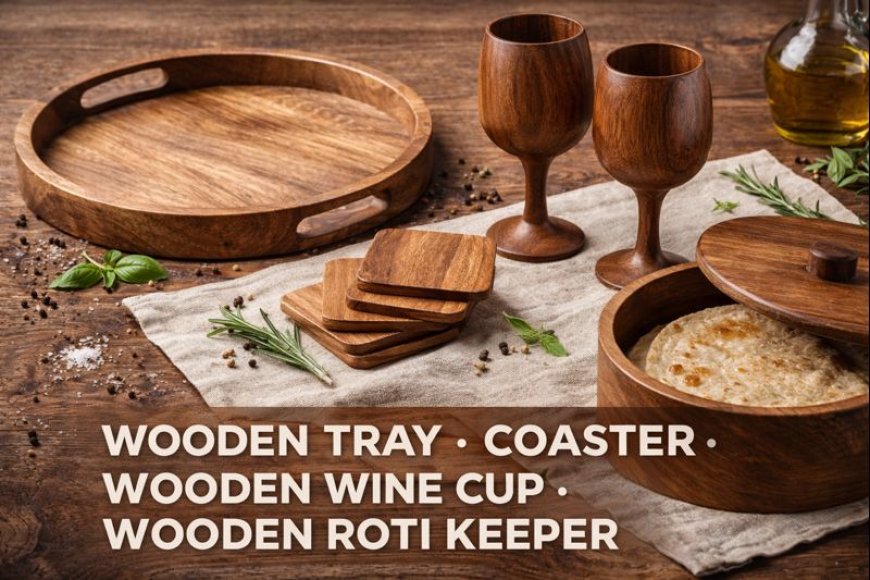
Professional chefs are meticulous about the tools they use in the kitchen. Every utensil, surface, and material plays a role in achieving perfect flavor, texture, and presentation. Among the wide range of modern kitchen tools available today, one traditional material continues to stand the test of timewood. From Michelin-star restaurants to home kitchens, chefs consistently choose wooden tools over plastic, steel, or silicone. But why exactly do chefs prefer wooden kitchen utensils?
1. Gentle on Cookware, Tough on Performance
One of the top reasons chefs prefer wooden utensils is their non-scratch nature. Professional kitchens often use high-quality non-stick, cast iron, and ceramic cookware, which can be easily damaged by metal utensils. Wooden tools are soft yet sturdy, ensuring cookware remains intact even after years of heavy use.
This makes wooden kitchen utensils ideal for stirring, sauting, and serving without compromising expensive cookware.
2. Excellent Heat Resistance
Unlike metal, wooden utensils do not conduct heat quickly. Chefs can comfortably stir hot curries, sauces, and gravies without worrying about burning their hands. Wooden handles remain cool even during extended cooking sessions, making them safer and more practical in fast-paced kitchens.
Additionally, wooden utensils dont melt like plastic or release toxins when exposed to high temperaturesan important factor for chefs focused on food safety.
3. Neutral Taste and Aroma
Chefs value precision in flavor, and wooden utensils excel in this area. High-quality wooden tools do not react with acidic ingredients like tomatoes, vinegar, or lemon juice. They also do not impart metallic tastes or absorb strong odors when properly maintained.
This neutrality ensures that every dish tastes exactly as intendedone of the main reasons wooden utensils are a staple in professional kitchens.
4. Hygienic When Maintained Properly
Theres a common misconception that wooden utensils are unhygienic. In reality, natural wood contains antimicrobial properties that help resist bacterial growth. Studies have shown that bacteria are less likely to survive on well-maintained wooden surfaces compared to plastic ones.
Chefs who follow proper cleaning and oiling routines trust wooden tools for everyday cooking, knowing they are both safe and durable.
5. Perfect for Traditional and Modern Cooking
From stirring dals and curries to kneading dough and serving breads, wooden kitchen tools are deeply rooted in culinary traditions. For example, many chefs still prefer a Wooden roti keeper to keep rotis warm and fresh. Wood helps regulate moisture naturally, preventing bread from becoming soggy or dry.
This balance of tradition and functionality makes wooden kitchenware incredibly versatile.
6. Sustainable and Eco-Friendly Choice
Todays chefs are increasingly conscious of sustainability. Wooden kitchen utensils are biodegradable, renewable, and environmentally friendly compared to plastic alternatives. Many professional kitchens aim to reduce plastic usage, making wooden tools a responsible choice.
Choosing wood isnt just about performanceits about supporting a healthier planet while cooking great food.
7. Aesthetic Appeal That Elevates Presentation
Presentation matters just as much as taste, especially in fine dining. Wooden kitchen accessories add warmth, elegance, and a handcrafted charm that enhances food presentation. Items like a wooden wine cup bring a rustic yet luxurious feel to table settings, making dining experiences more memorable.
Chefs often use wooden serveware to complement artisanal dishes and create a natural, earthy aesthetic.
8. Ideal for Serving and Tableware
Beyond cooking, chefs rely on wooden accessories for serving and presentation. A handcrafted wooden coaster protects surfaces while adding visual appeal to beverage service. These small details elevate the dining experience and reflect thoughtful craftsmanship.
Similarly, a well-designed wooden tray is often used for plating, serving appetisers, or presenting drinks, offering both durability and style.
9. Comfortable Grip and Control
Wooden utensils are ergonomically friendly. Their natural texture provides a firm grip, even with wet or oily hands. This control is crucial in professional kitchens where speed and precision are essential. Unlike slippery steel or overly flexible silicone, wooden tools offer balance and stability during cooking.
10. Long-Lasting with Proper Care
Chefs invest in tools that last. High-quality wooden utensils, when oiled and cleaned correctly, can serve for years without cracking or warping. Unlike plastic tools that discolor or steel tools that dent cookware, wooden utensils age gracefully, developing a rich patina over time.
Conclusion
Chefs prefer wooden kitchen utensils because they combine functionality, safety, sustainability, and aesthetics in a way few other materials can. From protecting cookware and preserving flavors to enhancing presentation and supporting eco-conscious cooking, wooden kitchen tools are a trusted companion in both professional and home kitchens.
Whether its stirring a simmering curry, serving fresh rotis, enjoying wine in a handcrafted cup, or presenting dishes on elegant trays, wooden kitchenware continues to prove why it has earned the chefs seal of approvalgeneration after generation.