









What Type of Ventilation System Is Best for Your Business?
A clear guide to choosing the right system for steady airflow, comfort and efficient ventilation services for modern commercial environments.

Healthy commercial environments depend on consistent airflow, controlled temperature and steady removal of pollutants that accumulate throughout daily operations. Every business, whether small or large, needs an internal atmosphere that supports comfort and wellbeing for both staff and visitors. Choosing the correct ventilation system is crucial, not only for air quality but also for energy efficiency and regulatory compliance.
Understanding which system suits your business begins with an assessment of how your building functions. Different work environments produce varying levels of heat, moisture and airborne particles. A commercial kitchen, a retail floor and a multi-room office behave differently, so the airflow requirements will never be the same. An accurate assessment ensures the chosen system operates efficiently, supports productivity and provides a comfortable internal climate for all occupants.
Understanding Your Ventilation Needs
Before deciding on a system, it is essential to evaluate what your space requires on a routine basis. This includes structural design, occupancy patterns and the type of equipment used. A carefully considered approach ensures your business benefits from consistent airflow rather than relying on assumptions or short-term solutions.
Key Considerations
One of the first factors is building size. A large open-plan layout requires a different airflow strategy compared to a compact suite with several enclosed rooms. The distribution of air must be controlled to avoid stagnant areas and cold or warm spots. Another important consideration is the number of people occupying the space. High occupancy produces more heat and moisture, requiring more active ventilation solutions.
The type of work carried out in your building also affects system choice. Workplaces with heat-emitting machinery, cooking equipment or chemical use will generate far more airborne contaminants than standard office environments. This means ventilation must be more controlled and predictable. A thoughtful combination of airflow rate, direction and filtration ensures comfortable conditions that do not compromise air quality or energy usage.
Why System Tailoring Is Crucial
No two commercial spaces have identical requirements, and a one-size-fits-all approach rarely delivers long-term value. Tailored design allows ventilation to match building structure, operating hours and occupancy patterns. This is why many companies rely onventilation servicesto design and maintain systems that match their unique needs. A well-designed approach reduces energy waste, maintains stable internal conditions and helps promote a healthier workspace.
Natural Ventilation Systems
Natural ventilation relies on airflow from outdoor conditions through windows, vents and architectural openings. It is simple, cost-effective and works without mechanical assistance.
How Natural Ventilation Performs
Air enters and exits the building based on pressure differences and temperature changes. When openings are correctly positioned, a steady movement of air can pass through the interior, helping to regulate temperature and remove stale air.
Benefits of Natural Systems
Natural ventilation offers several advantages:
- Very low operational costs
- Reduced reliance on power
- Quiet operation
- Straightforward maintenance
Limitations to Consider
Natural airflow depends heavily on weather conditions and the design of the building. It cannot always ensure consistent ventilation, especially in heavily used commercial settings. Many businesses require more dependable control, particularly if internal processes produce heat, moisture or contaminants. In these situations, mechanical or hybrid systems usually provide far more reliable performance.
Mechanical Ventilation Systems
Mechanical ventilation provides controlled, predictable airflow through powered fans and ductwork. It does not rely on outdoor weather and is suited to most commercial environments.
How Mechanical Systems Operate
Extract-only systems remove stale air, while supply-only systems push filtered air into the building. Balanced mechanical ventilation with heat recovery (MVHR) delivers and extracts air at equal volumes, supporting comfortable temperatures and reducing energy use. This approach suits workplaces that need a high level of control over air movement.
Key Benefits of Mechanical Ventilation
Mechanical systems provide:
- Reliable airflow regardless of weather
- Improved filtration and pollutant control
- Reduced humidity and moisture build-up
- Integration with cooling technologies
These systems pair well with cooling equipment, including a Daikin air conditioning unit, allowing businesses to manage both air temperature and air quality in a coordinated way. For many environments, mechanical ventilation is the most practical solution.
Hybrid Ventilation Systems
Hybrid ventilation blends natural and mechanical airflow. It allows the building to benefit from outdoor conditions when suitable but switches to mechanical assistance when additional support is required.
How Hybrid Systems Work
Hybrid systems use natural airflow during mild conditions. When internal or external temperatures shift, or when occupancy increases, mechanical support activates automatically. This reduces energy usage while keeping air quality stable.
Hybrid systems suit medium to large buildings with fluctuating occupancy levels, such as flexible office spaces and educational settings. They provide greater consistency than natural ventilation alone and lower energy use compared to full mechanical systems.
The Role of Cooling in Ventilation Efficiency
Ventilation and cooling complement each other. While ventilation manages air quality, cooling systems regulate temperature and humidity. Many commercial buildings operate at their best when both are installed together.
Why Cooling and Ventilation Work Well Together
Integrated cooling ensures the building maintains comfortable temperatures even when occupancy or outdoor weather changes. Adaikin air conditioning unitcan support mechanical ventilation by maintaining stable temperature levels, reducing stress on the ventilation system and allowing airflow to move more efficiently. When ventilation and cooling function seamlessly, the indoor environment remains comfortable and productive throughout the entire working day.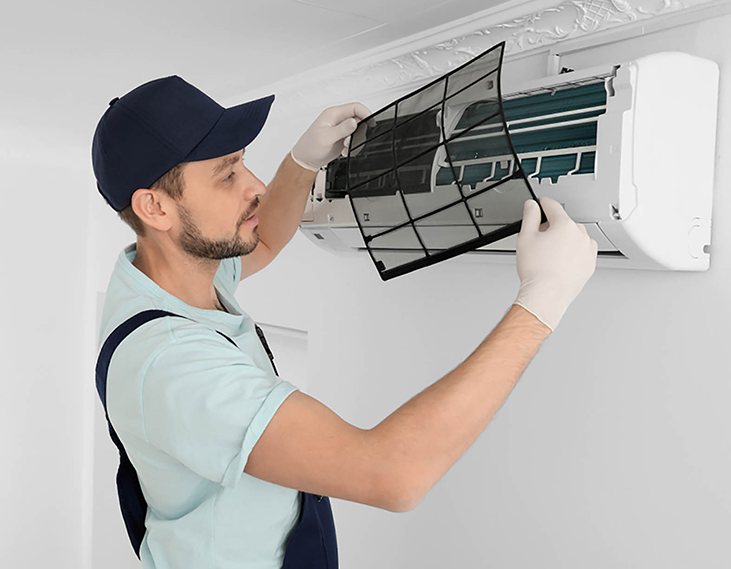
Why Professional Ventilation Services Matter
Correct design, installation and maintenance are crucial for long-term performance. Professional ventilation services ensure airflow is balanced, equipment is correctly calibrated and filters are maintained properly. Regular checks prevent unnecessary energy use, reduce mechanical strain and help ensure compliance with building standards. A professionally managed system is also far more likely to deliver stable comfort and reliable air quality throughout its life cycle.
Conclusion
The right ventilation system provides steady airflow, supports temperature control and contributes to a healthier workspace. Whether natural, mechanical or hybrid, the best choice depends on the building layout, occupancy level and operational needs. With a thoughtful approach and the right technical support, businesses can maintain reliable airflow while keeping energy use under control. For guidance, installation and continued support, Hamilton Air Conditioning Ltd remains committed to delivering effective and dependable commercial solutions.