










What Is A Temperature And Humidity Sensor? Uses, Advantages, And Selection Tips
People usually ignore temperature and humidity until problems hit. Factory workers sweat through shifts because the cooling failed. Warehouse managers find boxes of parts rusted from overnight dampness. Office staff gripes about dry air cracking their skin even with humidifiers running. Nine times out of ten, the gear works fine. The real problem is nobody tracked conditions in real time.
Enter the temperature and humidity sensor. It sits there unnoticed, keeping air just right. Let's dig into what makes them tick, where they save the day, and how to grab one that fits your setup perfectly.
What Is a Temperature and Humidity Sensor?
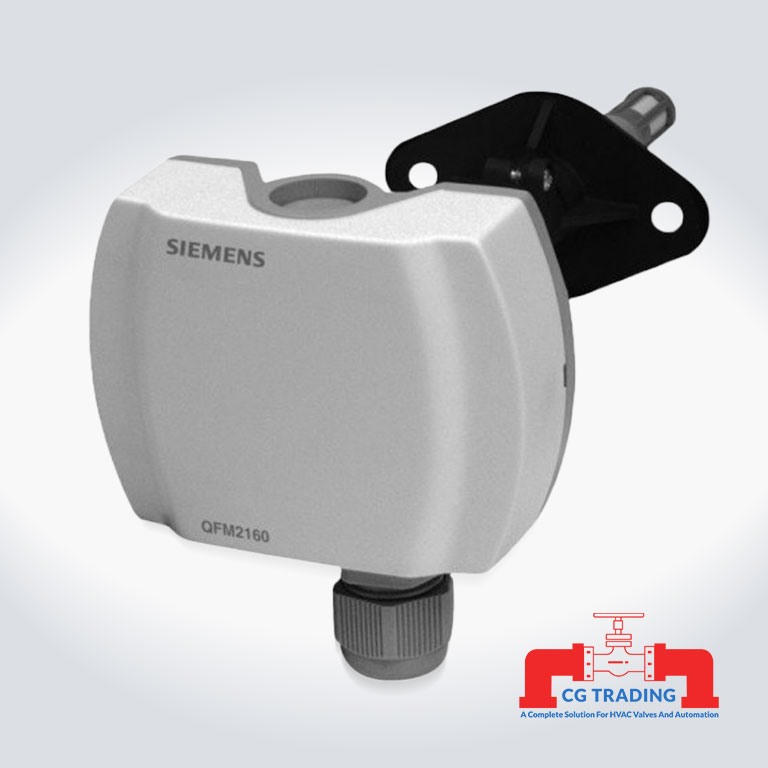
Think of it as one tough little box that watches both air heat and water vapor at the same time. No juggling separate thermometers and hygrometers. Single unit, double duty.
Heat swings kill comfort and wear out motors fast. Too much moisture breeds mold on walls or shorts out electronics. Too little dries out wood, paper, even people's throats, catches drifts early, and you dodge bigger bills later. These sensors flag issues when they're small.
You can spot them wired into HVAC controls, factory ceilings, cold storage rooms, even server racks.
How Do Temperature and Humidity Sensors Actually Operate?
The temp side uses metals or ceramics that expand or contract with heat, changing electrical resistance. The sensor brain turns that into degrees Celsius or Fahrenheit.
The humidity part often relies on a polymer film or ceramic disc that swells slightly when damp air hits. That physical change shifts capacitance or resistance, which electronics read as relative humidity percent. Response happens in seconds, not minutes.
Real magic happens downstream. Readings pipe straight to building controls or PLCs. Hit 28C in summer? Compressor ramps up. Humidity climbs past 60%? Exhaust fans spin faster.
Techs sleep better knowing systems self-correct around the clock. Seen it firsthand in a Mumbai pharma plant where spikes used to trigger manual checks every hour. Now everything runs autopilot.
Common Uses of Temperature and Humidity Sensors
They pop up everywhere solving gritty problems year after year.
-
HVAC and Building Systems
Picture a 50-desk office where staff layers up or strips down hourly. Sensors tied to central air keep 22-24C steady, humidity around 40-50%. AC cycles less, power drops 15-20%. Hotels cut guest complaints this way, too.
-
Industrial Manufacturing Areas
Plastic injection shops warp parts above 30C. Metal fab areas rust tools at 70% humidity. Sensors trigger spot coolers or dehumidifiers, saving scrap and downtime. One auto parts plant dropped rejects 30% after wiring them in, no exaggeration.
-
Pharmaceutical, Food, and Storage Facilities
Vaccine fridges demand 2-8C, under 50% RH. Flour silos fight condensation spoilage. Sensors log every minute for audits, catch power blips early. Food packagers avoid million-rupee recalls with round-the-clock watches.
-
Data Centers and Electrical Rooms
Servers throttle at 27C, fail hard above 32. Humidity over 60% grows condensation on boards. Early buzzers let cooling kick in before alerts turn to outages costing thousands per hour. IT guys love the peace of mind during monsoons.
Advantages of Using a Temperature and Humidity Sensor
Temperature and humidity sensors benefits stack up fast once wired in.
-
Eyes on conditions 24/7, no shift workers needed
-
HVAC runs only when actual need hits, slashes bills
-
Machines and stock last longer without surprise damage
-
People stay comfortable, quit complaining about air
-
Hooks into apps for remote phone checks
-
Logs data for spotting trends over months
Types of Temperature and Humidity Sensors You Will Commonly See
Pick the wrong type, and it fails early. Wall-mount ones with big displays suit front offices. Read from across rooms.
For accurate supply temperatures, duct probes snake into vents and disregard room air. Outdoor jackets can withstand rain and temperatures ranging from -20 to 60C.
Factories grab IP67 sealed units shrugging off powder coating dust or machining coolant spray. Wireless versions cut wiring costs in spread-out plants. Battery-powered ones work great in sheds far from power lines.
Match housing, probe length, and power draw to your spot.
How to Choose the Right Temperature and Humidity Sensor
Don't chase specs alone. Start with your ranges. Labs need 0.3C accuracy. Warehouses tolerate 1C fine.
Rough spots demand stainless probes over plastic. Check response time too, 5 seconds beats 30 for fast fixes. Nobody wants lag when a compressor needs to kick on now.
Power matters. 24VDC industrial standard, or battery for remote sheds. Output signal must match your logger, 4-20mA or Modbus usual. Modbus shines for tying into bigger networks.
Retrofitting old ducts? Slim probes win. Suppliers walking your floor spot oversights saving callbacks. Ask about warranties too, three years beats one every time.
Conclusion
Temperature and humidity sensors punch above weight keeping comfort solid, efficiency high, breakdowns low. HVAC buildings run cheaper. Factories push more products. Storage stays sale-ready. Skip them, pay later in fixes and waste.
CG Trading stocks these sensors alongside full HVAC and automation lines. They outfit plants and commercial jobs with gear matching tough conditions and long hauls. People like pharmaceutical warehouses and food processing units count on them after seeing quick wins on spoilage control. Pharma outfits love how their units log data tight for audits, keeping regulators off their backs.
FAQs
1. What is the main purpose of a Temperature and Humidity Sensor?
Tracks heat and moisture live so controls hold ideal air automatically.
2. Are Temperature and Humidity Sensors only used in HVAC systems?
Nope, factories, cold rooms, server farms, offices all run them.
3. Can one sensor accurately measure both temperature and humidity?
Modern combos nail both within tight specs daily.
4. Do industrial environments require special sensors?
Absolutely, sealed housings beat office models against grit and shakes.
5. What should be considered before selecting a Temperature and Humidity Sensor?
Ranges needed, site toughness, control compatibility, mounting fit, accuracy level.