










What Happens During Cataract Surgery with Dubai Experts

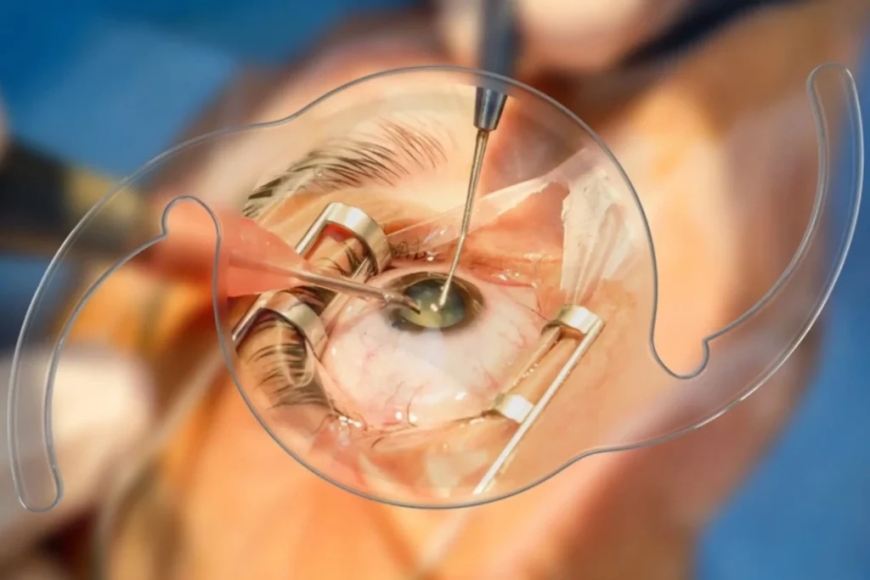
Vision plays a very important role in our daily life. From reading and driving to recognizing faces, clear eyesight helps us stay independent and confident. As people grow older, many start noticing cloudy or blurred vision, trouble seeing at night, or colors looking dull. One common reason behind these problems is cataracts.
Cataracts develop slowly and can affect one or both eyes. They do not cause pain, but they can seriously reduce vision over time.
In many cases, people search for a trusted cataract surgeon dubai residents rely on when their daily life starts getting affected by poor vision.
This blog explains, in very simple language, what cataracts are, why surgery is needed, and what exactly happens before, during, and after cataract surgery in Dubai. If you or a loved one is considering this procedure, this guide will help you understand the full journey.
Understanding Cataracts in Simple Terms
A cataract happens when the natural lens of the eye becomes cloudy. Normally, this lens is clear and helps focus light on the retina so you can see sharp images. When it becomes cloudy, vision becomes blurred, hazy, or dim.
Common Causes of Cataracts
-
Aging (most common cause)
-
Diabetes
-
Long-term exposure to sunlight
-
Smoking
-
Eye injury or trauma
-
Certain medications like steroids
-
Family history
Cataracts usually develop slowly. At first, glasses or stronger lighting may help. But once cataracts begin to interfere with daily activities, surgery becomes the only effective treatment.
Why Cataract Surgery Is Needed
Cataract surgery is recommended when:
-
Vision becomes too blurry for daily tasks
-
Driving at night becomes difficult
-
Reading is uncomfortable
-
Colors appear faded or yellowish
-
Glasses no longer improve vision
Cataract surgery is one of the most commonly performed and safest eye procedures in the world. In Dubai, it is done using advanced technology and modern techniques to ensure quick recovery and clear vision.
Why Many Patients Choose Dubai for Cataract Surgery
Dubai has become a popular destination for eye care due to:
-
Advanced medical facilities
-
Modern surgical equipment
-
Experienced eye specialists
-
International safety standards
-
Personalized patient care
-
Short waiting times
Patients from different countries come to Dubai for cataract treatment because of the high quality of care and professional medical environment.
Preparing for Cataract Surgery
Before the surgery, several steps are taken to ensure safety and the best possible outcome.
1. Eye Examination
A detailed eye exam is done to:
-
Measure the shape and size of the eye
-
Check the severity of the cataract
-
Decide the type of artificial lens needed
2. Medical History Review
The doctor will ask about:
-
Existing health conditions
-
Medications you are taking
-
Previous eye problems or surgeries
Some medications may need to be stopped before surgery.
3. Choosing the Intraocular Lens (IOL)
During cataract surgery, the cloudy natural lens is replaced with an artificial lens called an intraocular lens (IOL). Different types are available:
-
Monofocal lenses (clear vision at one distance)
-
Multifocal lenses (near and far vision)
-
Toric lenses (for astigmatism)
The doctor helps choose the most suitable option based on your lifestyle and vision needs.
What Happens on the Day of Cataract Surgery
Cataract surgery is usually a day-care procedure, meaning you go home the same day.
Before the Procedure
-
You will arrive at the clinic or hospital
-
Eye drops are used to numb the eye
-
You remain awake, but relaxed
-
No general anesthesia is usually required
The entire process is comfortable and painless for most patients.
Step-by-Step: What Happens During Cataract Surgery
Understanding the surgery step by step can reduce fear and anxiety.
Step 1: Cleaning and Numbing the Eye
The area around the eye is cleaned carefully to prevent infection. Numbing eye drops are used so you do not feel pain.
Step 2: Making a Tiny Incision
The surgeon makes a very small cut on the front of the eye. This incision is so small that it usually heals on its own without stitches.
Step 3: Breaking the Cloudy Lens
Using advanced ultrasound technology, the cloudy lens is gently broken into small pieces. This process is called phacoemulsification.
Step 4: Removing the Cataract
The broken lens pieces are carefully removed from the eye using gentle suction.
Step 5: Inserting the Artificial Lens
Once the cataract is removed, the artificial lens (IOL) is placed inside the eye. It stays permanently and does not need replacement.
Step 6: Closing the Incision
The incision is self-sealing, so no stitches are usually needed. A protective shield may be placed over the eye.
The surgery usually takes 15 to 30 minutes.
Is Cataract Surgery Painful?
No, cataract surgery is not painful. Due to numbing drops, patients feel little to no discomfort. Some may feel mild pressure or light sensations, but pain is very rare.
After surgery, there may be slight irritation or itching, which usually goes away in a few days.
After Cataract Surgery: What to Expect
Immediately After Surgery
-
Vision may be blurry for a few hours
-
Mild discomfort is normal
-
Eye shield may be used for protection
-
You can usually go home the same day
First Few Days
-
Vision gradually improves
-
Eye drops are prescribed to prevent infection and inflammation
-
Avoid rubbing the eye
-
Avoid heavy lifting and bending
First Week
-
Most daily activities can be resumed
-
Vision becomes clearer each day
-
Follow-up visits are scheduled to monitor healing
Full recovery usually takes a few weeks.
Recovery Tips for Better Healing
To ensure smooth recovery:
-
Use prescribed eye drops regularly
-
Wear sunglasses outdoors
-
Avoid swimming for a few weeks
-
Keep the eye clean and dry
-
Follow all post-surgery instructions
Good care after surgery plays a big role in achieving clear and long-lasting vision.
Possible Risks and Complications
Cataract surgery is very safe, but like any procedure, it carries small risks:
-
Infection
-
Inflammation
-
Temporary vision changes
-
Increased eye pressure
These issues are rare and usually treatable when addressed early. Choosing an experienced specialist reduces risks significantly.
When Will Vision Improve?
Many patients notice improved vision within a few days. Colors appear brighter, and clarity improves. However, final vision results may take a few weeks as the eye fully heals.
In some cases, glasses may still be needed for reading or specific tasks.
Cataract Surgery for Both Eyes
If both eyes have cataracts, surgery is usually done one eye at a time. This allows the first eye to heal properly before treating the second eye.
The gap between surgeries may be a few days or weeks, depending on recovery.
Life After Cataract Surgery
After full recovery, most patients experience:
-
Clearer vision
-
Improved quality of life
-
Better night vision
-
Reduced dependence on glasses
-
Increased confidence in daily activities
Cataract surgery can truly transform how you see the world.
Frequently Asked Questions
How long does cataract surgery take?
The surgery itself usually takes less than 30 minutes.
Can cataracts come back?
No, cataracts do not come back. However, some people may develop cloudiness behind the artificial lens, which is easily treated with a simple laser procedure.
Is cataract surgery safe for older adults?
Yes, it is very safe and commonly performed on elderly patients.
Conclusion
Cataract surgery is a simple, safe, and highly effective procedure that restores clear vision and improves daily life. With advanced technology and expert care, patients in Dubai receive high-quality treatment with excellent outcomes.
If you are considering cataract treatment, consulting an experienced specialist like Dr. Mandeep Lamba can help you understand your options and guide you through every step with confidence and care.