









What Colorado’s Comparative Negligence Law Means for Car Accident Claims in Denver?

After a car accident in Denver, knowing who caused the crash matters. It affects whether you can get paid for damages. Colorado uses a modified comparative negligence law. This law decides how damages are shared when more than one driver is at fault.
Understanding this law helps protect your rights. A Denver car accident attorney can explain the law and guide you through the claims process.
How Fault Works in Denver Car Accidents?
Colorado is a fault-based state. The driver who causes an accident usually pays for damages. However, accidents can be complicated. Even simple crashes may involve more than one driver making mistakes. Rear-end collisions, left turns, and lane changes can all involve shared fault. Denver streets are busy. This can make it harder to figure out who is at fault.
Colorado's 50% bar law works like this. Each person's share of fault reduces their payout. For example, if you are 20 percent at fault, your payment drops by 20 percent. If you are found to be at fault for more than 50 %, you cannot recover any damages at all. Knowing this rule matters when filing a claim in Denver.
Common Types of Accidents in Denver
-
Rear-end crashes: The car behind is usually at fault. However, there are exceptions. The front car may share blame if it stopped suddenly or had broken brake lights. These crashes happen often on highways like I-25 and I-70.
-
Left-turn accidents: Drivers who fail to yield may share fault. Downtown Denver sees many of these accidents because of heavy traffic. If both drivers acted carelessly, fault may be split between them.
-
Lane changes: Drivers who do not signal or check blind spots can be held responsible. Drivers already in the lane usually are not to blame. These accidents are common on highways like US-36 and I-225.
-
High-risk cases: Drunk drivers, distracted drivers, and red-light runners are often found at fault when evidence supports it. Denver police watch for these violations. Still, insurance companies may dispute who is at fault.
Even if you share some blame, you can still file a claim. You just need to be less than 50 percent responsible.
How Car Accident Attorneys in Denver Can Help
Car accident attorneys in Denver help victims understand fault. They also protect your rights. Many insurance companies may try to blame you to reduce your compensation amount. Therefore, professional attorneys always investigate the crash. They gather evidence. They negotiate to help you get fair payment.
Evidence may include:
-
Crash reports: Police reports give an account of the accident. Denver Police and Colorado State Patrol reports matter for insurance claims. However, they do not make the final legal call on fault.
-
Witness statements: Getting statements from people around the crash can explain what happened. In busy areas like downtown Denver or near Civic Center, witnesses are often around.
-
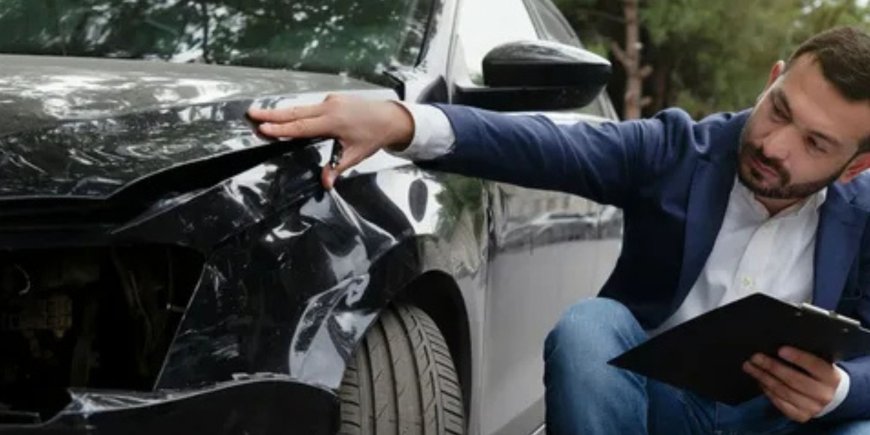
Physical evidence: Skid marks, vehicle damage, and broken glass help show how the crash happened.
-
Phone records: These can show if a driver was texting or distracted. Distracted driving causes many Denver accidents.
-
Video footage: Dashcams, traffic cameras, and business security cameras may capture the accident. Traffic cameras along major Denver streets often give key evidence.
A Denver car accident attorney knows how to gather this evidence. They know how to present it properly, too. They work to make sure you are not unfairly blamed. They also stop insurance companies from lowering your payout without a good reason.
Protecting Your Rights After a Denver Crash
A Denver car accident attorney helps you pursue fair payment. Most attorneys work on a contingency fee. This means you pay no money up front. They handle talks with insurance companies. They push back when needed. They can file a lawsuit if required.
Act quickly after a crash. Take photos of the scene. Talk to witnesses if you can. Contact a lawyer soon. Collecting evidence early helps build a strong case. In Denver, traffic and road congestion can make evidence harder to gather if you wait.
Attorneys also explain how Colorado's comparative negligence law applies to your case. If you are partly at fault, your lawyer makes sure the payment is calculated correctly and fairly.
Final Thoughts
Drivers in Denver face unique challenges after accidents. Busy streets, intersections, and highways create complications. Understanding Colorado's comparative negligence law matters for getting paid. Fault affects whether you can claim damages. It also affects how much you receive.
Car accident attorneys in Denver help gather evidence. They negotiate with insurance companies. They protect your rights. Getting legal help early improves your chances of a fair settlement. It also stops you from being unfairly blamed for the accident.
If you have been in a car accident in Denver, talk to an attorney. They can guide you through the process and work to get you the payment you deserve.