










Understanding Medical Imaging: When You Need Expert Review
Medical imaging has revolutionized healthcare, allowing doctors to see inside the human body without invasive procedures.
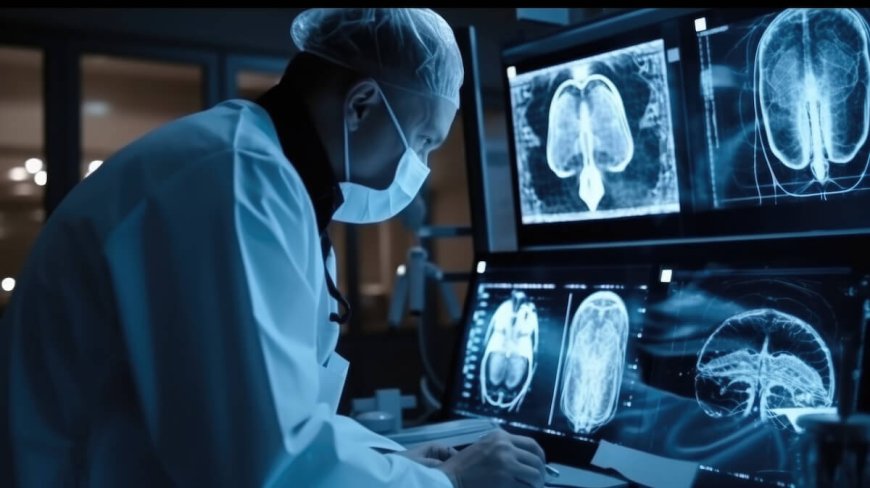
Medical imaging has revolutionized healthcare, allowing doctors to see inside the human body without invasive procedures. X-rays, CT scans, MRIs, and ultrasounds provide crucial diagnostic information that guides treatment decisions. However, the accuracy of medical imaging depends not just on the quality of the scan itself, but critically on the expertise of the radiologist interpreting it. Understanding when and why you might need expert review of your imaging studies can make the difference between correct diagnosis and costly misdiagnosis.
The Critical Role of Radiologists
Radiologists are medical doctors who specialize in interpreting medical images to diagnose and sometimes treat diseases. They examine thousands of images throughout their careers, training their eyes to spot abnormalities that others might miss. However, not all radiologists have the same level of expertise for every type of scan or body area. Just as you wouldn't expect a heart surgeon to perform brain surgery, radiologists develop subspecialty expertise in specific areas like neuroradiology, musculoskeletal imaging, cardiac imaging, or abdominal imaging.
The complexity of modern imaging means that a general radiologist may not catch subtle findings that a subspecialist would immediately recognize. This is particularly true for rare conditions, early-stage diseases, or complex anatomical regions. Studies consistently show that radiologist interpretation varies significantly, with discrepancy rates ranging from 3-5% for straightforward cases to 30% or more for complex imaging. These aren't always minor differencessome discrepancies materially affect diagnosis and treatment.
Common Imaging Discrepancies and Errors
Understanding how and why imaging interpretations differ helps you recognize when seeking expert review makes sense. Perceptual errors occur when abnormalities are present on images but not detected by the radiologist, often because the finding is subtle, small, or in an unexpected location. Cognitive errors happen when the radiologist sees an abnormality but misinterprets what it represents, perhaps mistaking a malignant tumor for a benign cyst or vice versa.
Communication failures occur when radiologists identify findings but don't clearly communicate their significance in the report, or when critical findings are buried in lengthy reports and overlooked by ordering physicians. Technical issues including poor image quality, patient movement during scanning, or inadequate contrast administration can obscure findings or create artifacts that complicate interpretation. Satisfaction of search errors happen when radiologists find one abnormality and stop looking carefully, missing additional important findings on the same study.
Previous imaging comparison is crucial for detecting changes over time, but when prior studies aren't available or aren't reviewed carefully, important progression or improvement of disease may be missed. Time pressure and fatigue affect radiologists just as they affect other professionalsa radiologist reading their 100th scan of the day may not perform at the same level as earlier in their shift.
When Your MRI Deserves a Second Look
Magnetic Resonance Imaging (MRI) produces detailed images of soft tissues, making it invaluable for diagnosing brain, spine, joint, and organ conditions. However, MRI interpretation is complex and highly dependent on radiologist expertise. Seeking an MRI Second Opinion Doctor makes particular sense in several situations.
For neurological MRIs of the brain or spine, subtle findings like small tumors, early multiple sclerosis lesions, or stroke changes require expert interpretation. Neuroradiologists spend years specifically training to recognize these patterns, and their subspecialty expertise can identify findings that general radiologists might miss or mischaracterize. If you've received concerning neurological symptoms but your MRI was reported as normal, or conversely if your MRI showed abnormalities that don't quite match your symptoms, expert review is warranted.
Musculoskeletal MRIs of joints, particularly the shoulder, knee, and spine, involve complex anatomy where ligaments, tendons, cartilage, and bones overlap. Orthopedic radiologists specialize in these studies and can distinguish between normal variants and pathology, assess injury severity accurately, and identify findings that affect surgical planning. Before committing to orthopedic surgery based on MRI findings, expert review ensures the imaging interpretation supports the surgical recommendation.
Oncology MRIs used for cancer detection, staging, or monitoring require oncologic radiologists who understand tumor characteristics, can distinguish between post-treatment changes and disease recurrence, and accurately measure tumor size and involvement of surrounding structures. These interpretations directly impact treatment decisions, making accuracy absolutely critical. Cardiac MRIs assess heart structure and function with subspecialized interpretation necessary to evaluate complex congenital heart disease, cardiomyopathies, or subtle wall motion abnormalities.
The Importance of Specialized Radiology Review
General radiology encompasses all imaging types across all body areas, but modern medicine has become too complex for one person to be expert in everything. Subspecialization in radiology emerged because certain imaging requires focused expertise. Radiology Second Opinion Doctor services connect you with subspecialists who have extensive experience in your specific type of imaging and medical condition.
Consider breast imagingmammography interpretation requires specialized training because detecting subtle cancers against complex breast tissue is challenging. Breast radiologists read thousands of mammograms annually, developing pattern recognition that general radiologists don't possess. Similarly, pediatric radiologists understand how children's developing anatomy appears on imaging, preventing misdiagnosis of normal variants as disease or vice versa.
Interventional radiologists not only interpret imaging but perform minimally invasive procedures using image guidance. Their perspective on diagnostic imaging differs from radiologists who only read studies, sometimes identifying findings that suggest specific interventional treatments. Nuclear medicine physicians interpret PET scans, bone scans, and other functional imaging that shows how organs work rather than just how they look, requiring different expertise than anatomical imaging interpretation.
Orthopedic Imaging: Why Expertise Matters
Musculoskeletal imaging represents one area where second opinions frequently change clinical management. Bones, joints, muscles, tendons, and ligaments create complex overlapping structures on imaging that require specialized knowledge to interpret accurately. Before undergoing orthopedic surgery or committing to extended conservative treatment, consulting a Second Opinion Orthopedic Doctor ensures your imaging has been correctly interpreted and treatment recommendations are appropriate.
Spinal imaging presents particular challenges. The spine houses the spinal cord and nerve roots while supporting body weight and enabling movement. Distinguishing between age-related degenerative changes that are asymptomatic and pathology requiring treatment requires expertise. Many people have bulging discs, facet arthritis, or mild spinal stenosis visible on MRI that don't cause their symptoms. Conversely, some people have significant spinal pathology causing symptoms that may be underappreciated on initial imaging review. Expert orthopedic imaging review correlates imaging findings with clinical symptoms to determine which abnormalities are clinically significant.
Joint injuries from sports or trauma require accurate imaging interpretation for proper treatment. A partial rotator cuff tear might be managed conservatively in one patient but require surgery in another, depending on tear characteristics that must be precisely identified on MRI. Knee ligament injuries involve multiple structures that can be injured in combination, and missing one component of a complex injury leads to incomplete treatment and poor outcomes. Hip labral tears are subtle on MRI and require specific imaging protocols and expert interpretation to detect.
Soft tissue masses need careful imaging evaluation to distinguish benign from malignant tumors, guide biopsy if needed, and plan surgical excision. Musculoskeletal radiologists are trained to recognize imaging characteristics suggesting aggressive or malignant lesions versus benign conditions that can be observed. This distinction prevents unnecessary surgery for benign lesions while ensuring malignancies receive prompt appropriate treatment.
How to Know When You Need Expert Review
Several red flags suggest your imaging might benefit from expert second opinion review. If your symptoms don't match the imaging reportfor example, you have severe pain but imaging is reported as normal, or you feel fine but imaging reportedly shows serious abnormalitiessomething may be missed or misinterpreted. When treatment based on imaging results isn't working as expected, the underlying interpretation may be incorrect.
Serious or life-altering diagnoses made from imaging absolutely warrant expert review. Cancer diagnoses, recommendations for major surgery, or findings suggesting serious neurological conditions all have profound consequences and deserve confirmation. If your initial imaging report contains uncertain or ambiguous language like "cannot exclude," "correlation with clinical findings recommended," or "further evaluation suggested," expert review can provide more definitive interpretation.
When imaging findings would significantly change your treatment plan, moving you from conservative management to surgery or from one type of cancer treatment to another, invest in expert review before proceeding. For rare or unusual findings, seeking interpretation from someone who has seen similar cases provides better assessment than relying on a radiologist who may be encountering such pathology for the first time.
The Process of Getting Imaging Second Opinions
Obtaining an imaging second opinion is straightforward. First, request copies of your imaging studies, typically provided on CD or DVD, along with the original radiology report. Most imaging facilities provide these upon request, though you may need to sign a release form. Digital imaging can also be uploaded to secure portals for remote review.
Next, identify appropriate subspecialists for your imaging type and clinical question. Many academic medical centers and specialty practices offer formal second opinion services. Telemedicine has made accessing top radiologists possible regardless of your locationyou can have your imaging reviewed by leading experts nationally or internationally without traveling.
The second opinion radiologist reviews your images independently, often comparing to any available prior studies, and provides a detailed report. This report may confirm the original interpretation, identify additional findings, or reach different conclusions about what the imaging shows. The second opinion is typically provided to both you and your ordering physician, who can then discuss implications for your care.
Understanding Imaging Limitations
Even with expert interpretation, medical imaging has inherent limitations. Some conditions don't show up well on imaging or may be invisible in early stages. Imaging shows anatomy but not always functiona structure may look normal on imaging while functioning abnormally, or vice versa. Clinical correlation, meaning integration of imaging findings with your symptoms, physical examination, and other test results, is essential for accurate diagnosis.
Incidental findingsabnormalities discovered on imaging performed for unrelated reasonsare common and often benign but can cause anxiety and lead to additional testing. Expert radiologists help distinguish which incidental findings need follow-up and which can be safely ignored. Understanding imaging limitations helps maintain realistic expectations about what imaging can and cannot tell us about your health.
The Value of Academic and Specialty Centers
Academic medical centers and specialized diagnostic imaging centers often provide higher-quality imaging interpretation for several reasons. They see higher volumes of complex cases, giving radiologists more experience with rare and difficult pathology. They're more likely to have subspecialized radiologists rather than general practitioners reading all study types. They often have multidisciplinary tumor boards and conferences where radiologists discuss cases with surgeons, oncologists, and other specialists, refining diagnostic accuracy through collaboration.
These institutions typically use the most advanced imaging equipment and protocols, producing higher-quality images that are easier to interpret accurately. They also conduct research and stay current with latest imaging advances and diagnostic criteria. While community radiologists provide excellent care for straightforward cases, complex or ambiguous imaging often benefits from academic center review.
Making Informed Decisions with Quality Imaging Review
Medical imaging is one of medicine's most powerful diagnostic tools, but only if interpreted correctly. Don't assume that because you had an MRI, CT scan, or other study that the interpretation is automatically correct. Radiologists are highly trained professionals, but they're human, and interpretation varies with expertise, experience, and subspecialty focus.
When facing important medical decisions based on imaging findings, particularly if considering surgery, starting chemotherapy, or other major interventions, invest in expert imaging review. The relatively small time and cost investment can prevent misdiagnosis, unnecessary treatment, and poor outcomes while providing confidence that your care plan is based on accurate information.
Your health is too important to leave to chance. If you have any doubt about imaging interpretation, if your condition is serious or complex, or if treatment recommendations don't feel right, seek expert radiological review. The peace of mind alone is valuable, and the potential to correct diagnostic errors before they lead to inappropriate treatment is priceless. Take control of your healthcare by ensuring that the imaging guiding your care has been interpreted by the most qualified experts available.