










Understanding Legionnaires Disease: Causes, Symptoms, and Prevention
Knowing the causes, symptoms, and prevention steps of Legionnaires' disease can help you stay safe and act quickly if symptoms appear.

Understanding Legionnaires Disease: Causes, Symptoms, and Prevention
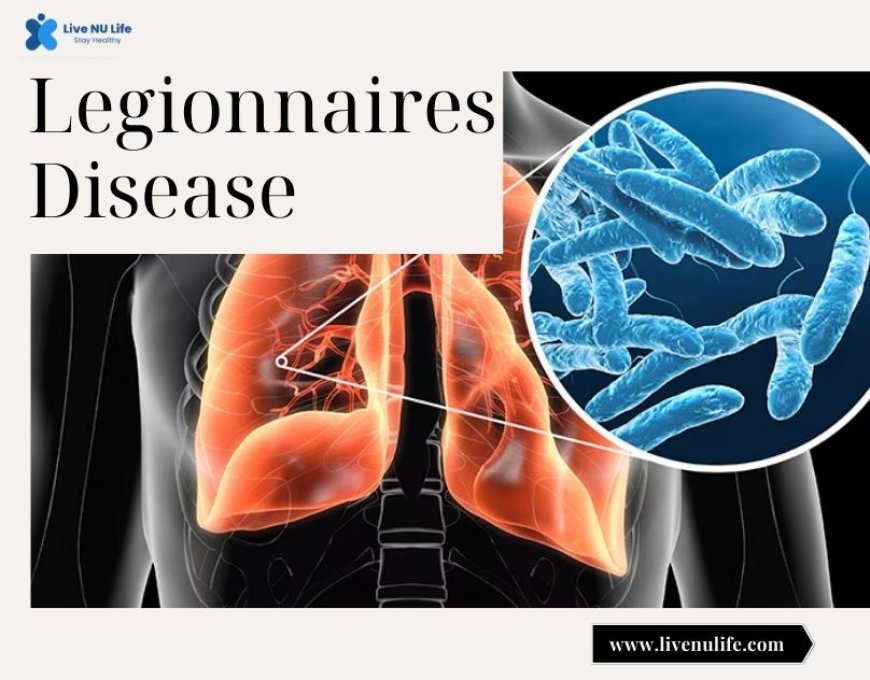
Legionnaires Disease Symptoms is a serious type of pneumonia caused by a bacterium called Legionella pneumophila. This infection affects the lungs and can become life-threatening if not treated early. Legionnaires' disease is a severe form of a lung infection called pneumonia. It's caused by a bacterium known as legionella. Although rare, outbreaks can occur when people breathe in mist or water droplets contaminated with the bacteriaoften from air conditioning systems, hot tubs, or water tanks.Legionnaires disease is a serious type of pneumonia caused by Legionella bacteria. Certain people are at increased risk for this infection.
Knowing the causes, symptoms, and prevention steps of Legionnaires' disease can help you stay safe and act quickly if symptoms appear.
What Causes Legionnaires Disease?
The main cause of Legionnaires disease is exposure to the Legionella bacteria. These bacteria thrive in warm, stagnant water, such as in:
-
Cooling towers and large air-conditioning systems
-
Hot water tanks and heaters
-
Decorative fountains or spa pools
-
Plumbing systems in hotels, hospitals, and office buildings
You cannot get Legionnaires' disease from another personit spreads only through inhaling contaminated water vapor or mist. People with weak immune systems, smokers, or those with chronic lung diseases are at higher risk.
Symptoms of Legionnaires Disease
The symptoms of Legionnaires disease usually appear two to ten days after exposure to the bacteria. Early signs may resemble the flu but can worsen quickly. Common symptoms include:
-
High fever and chills
-
Cough, which may bring up mucus or blood
-
Shortness of breath or chest pain
-
Headache and muscle aches
-
Fatigue and loss of appetite
-
Nausea, vomiting, or diarrhea
In severe cases, confusion or disorientation may occur. Because these symptoms are similar to other respiratory illnesses, medical testing is necessary for accurate diagnosis.
How Is Legionnaires Disease Diagnosed?
Doctors diagnose Legionnaires Disease using a combination of tests, including:
-
Chest X-rays to check for pneumonia
-
Urine tests to detect Legionella bacteria
-
Blood or sputum tests to confirm infection
If diagnosed early, the disease can be effectively treated and complications can be prevented.
Legionnaires Disease Treatment
The main Legionnaires treatment involves antibiotics that target the Legionella bacteria. Most people recover fully when treatment begins early. Hospitalization may be needed for severe cases, especially for older adults or people with underlying health issues.
To aid recovery:
-
Drink plenty of fluids to stay hydrated
-
Rest as much as possible
-
Avoid smoking, as it slows down lung healing
Follow your doctors advice closely and complete the full course of antibiotics to ensure the infection is completely cleared.
Prevention of Legionnaires' disease
Prevention focuses on controlling Legionella growth in water systems. Heres how you can reduce the risk of infection:
-
Regular maintenance: Clean and disinfect air conditioning systems, hot tubs, and water tanks regularly.
-
Monitor water temperature: Keep cold water below 20C and hot water above 50C to stop bacteria from multiplying.
-
Avoid stagnant water: Run unused taps and showers regularly, especially in large buildings.
-
Ensure safe water systems: Businesses, hotels, and hospitals should follow public health guidelines for Legionella control.
For individuals, practicing good hygiene and staying aware of potential sources helps prevent exposure to contaminated water.
Final Thoughts
Legionnaires' disease can sound alarming, but with proper awareness, quick medical attention, and good maintenance of water systems, its entirely preventable. Early diagnosis and treatment greatly reduce the risk of complications and ensure a full recovery.
Understanding how Legionnaires disease spreads and taking preventive steps can protect not just you but also your community from this avoidable illness.