










Understanding Foot Pain and the Role of Acupuncture in Recovery

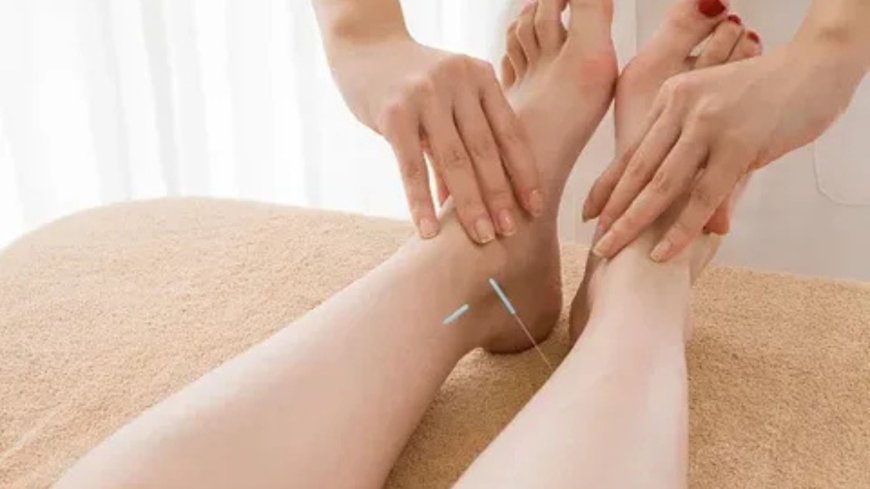
Foot pain is one of the most common musculoskeletal complaints among adults. It affects mobility, reduces day to day comfort, and often interrupts work, exercise, and leisure routines. As more people look for non pharmaceutical and non surgical approaches to pain relief, interest in acupuncture has increased steadily.
Middle Path Acupuncture has become a trusted clinic for people who want a comprehensive and evidence informed way to address persistent foot discomfort. This guest blog explores how acupuncture treatment for foot pain works, why it is relevant for foot pain, and how a structured treatment plan can help restore long term function.
Understanding The Nature Of Foot Pain
Foot pain does not have a single origin. It can stem from soft tissue strain, tendon irritation, joint degeneration, nerve compression, or biomechanical habits that overload specific structures. Conditions like plantar fasciitis, Achilles tendonitis, metatarsalgia, posterior tibial tendon dysfunction, neuropathic pain, and general foot fatigue all contribute to widespread discomfort. Many individuals also experience foot pain linked to systemic factors such as circulation issues or chronic inflammatory patterns. The foot bears constant load, which means small imbalances often escalate into persistent symptoms.
Traditional care often relies on rest, orthotics, stretching, and medication. While these measures can help, not everyone finds sufficient relief. Middle Path Acupuncture addresses this gap by offering a therapeutic model that supports tissue recovery, reduces pain sensitivity, and improves structural balance.
How Does Acupuncture Support Foot Pain Relief?
Acupuncture focuses on stimulating specific points on the body to influence circulation, neuromuscular activity, and inflammatory pathways. When applied to foot pain, it targets both local areas of discomfort and broader regions that contribute to musculoskeletal compensation.
Key therapeutic benefits include:
-
Improved microcirculation in the foot. Better blood flow supports tissue repair, reduces swelling, and nourishes irritated structures like the plantar fascia and surrounding tendons.
-
Modulation of pain signaling. Acupuncture influences peripheral and central mechanisms that regulate how the body perceives pain. This often leads to decreased sensitivity and more consistent comfort during daily activities.
-
Relaxation of tight muscles and fascia. Muscle tension in the calves, ankles, and intrinsic foot muscles frequently contributes to foot strain. Strategic needle placement helps release these zones, improving mobility and reducing pressure on painful tissues.
-
Enhanced nerve function. People with neuropathic foot pain often find acupuncture supportive because it encourages healthier nerve activity and reduces tingling, burning, or radiating sensations.
-
Restoration of biomechanical balance. By addressing both local irritation and compensatory patterns in the legs, hips, and lower back, acupuncture contributes to longer term alignment and function.
Middle Path Acupuncture combines these mechanisms into a personalized plan for each patient, which increases the likelihood of sustained improvement.
Plantar Fasciitis And Acupuncture
One of the most frequent complaints seen at Middle Path Acupuncture is plantar fasciitis. This condition occurs when the thick band of tissue along the bottom of the foot becomes irritated or overstretched. Morning pain, stiffness, and sharp discomfort during walking are typical symptoms.
Acupuncture helps reduce tension in the plantar fascia by increasing blood flow and calming the surrounding muscular structures. It also addresses related tension patterns in the calves and ankles. Over a series of sessions, many individuals experience reduced morning discomfort and improved walking tolerance. When paired with stretching and strengthening exercises, results tend to be long lasting.
Acupuncture for Achilles Tendon Discomfort
Achilles tendon pain is another area where acupuncture provides meaningful results. The tendon is slow to heal because it has limited blood supply. Acupuncture improves circulation around the tendon, reduces inflammatory load, and supports smoother movement during activity. Middle Path Acupuncture often integrates distal points along the legs to improve symmetry in the entire lower chain, which helps reduce recurring strain.
Neuropathic Foot Pain and Acupuncture
People with neuropathy often struggle to find solutions that reduce burning, tingling, or numbness in the feet. Acupuncture has shown positive outcomes in supporting nerve regeneration, improving sensation, and decreasing discomfort. Treatment usually incorporates a wider network of points to improve systemic circulation. Middle Path Acupuncture practitioners use a structured and gentle approach to support people with heightened sensitivity.
Chronic Foot Pain and Whole Body Patterns
One of the advantages of acupuncture is its capacity to address more than the immediate pain site. Foot pain is often influenced by tight hamstrings, hip imbalance, lower back tension, or prolonged standing habits. Practitioners at Middle Path Acupuncture assess these connections carefully. By treating both the foot and the supporting regions, they help patients reduce strain patterns that would otherwise trigger recurring pain.
This holistic approach is particularly beneficial for individuals with old injuries, long term wear and tear, or structural variations that make the foot more sensitive.
What Patients Can Expect During Treatment?
-
A typical session starts with an evaluation of pain location, symptom history, walking mechanics, and overall health.
-
Needles are placed with precision to target both local and distal points.
-
Sessions are usually calming and people commonly report a sense of relaxation during treatment.
-
Improvement often begins within several sessions, although chronic cases may require a longer treatment window. Middle Path Acupuncture emphasizes clear communication about expected timelines, lifestyle support, and home care strategies that complement the treatment.
Why Middle Path Acupuncture Stands Out?
Middle Path Acupuncture integrates clinical experience, careful assessment, and patient centered planning. Their approach balances traditional acupuncture theory with modern understanding of pain science. This combination helps patients feel confident that their care is thorough and evidence informed.
Patients appreciate the clinics methodical approach, attention to detail, and commitment to long term improvement rather than short term symptom relief. Whether someone is an athlete, a working professional, or an older adult managing degenerative changes, the clinic tailors each plan to individual needs.
Wrapping Up
Foot pain can interrupt mobility, affect posture, and influence overall quality of life. Acupuncture offers a meaningful path toward both relief and functional improvement.
Middle Path Acupuncture continues to support individuals who want a structured and holistic approach to healing. Those who seek a comprehensive strategy to manage discomfort can explore the clinics broader services connected to chronic pain treatment in San Francisco.