










Top 10 Situations Where a Home Nurse Can Make a Difference

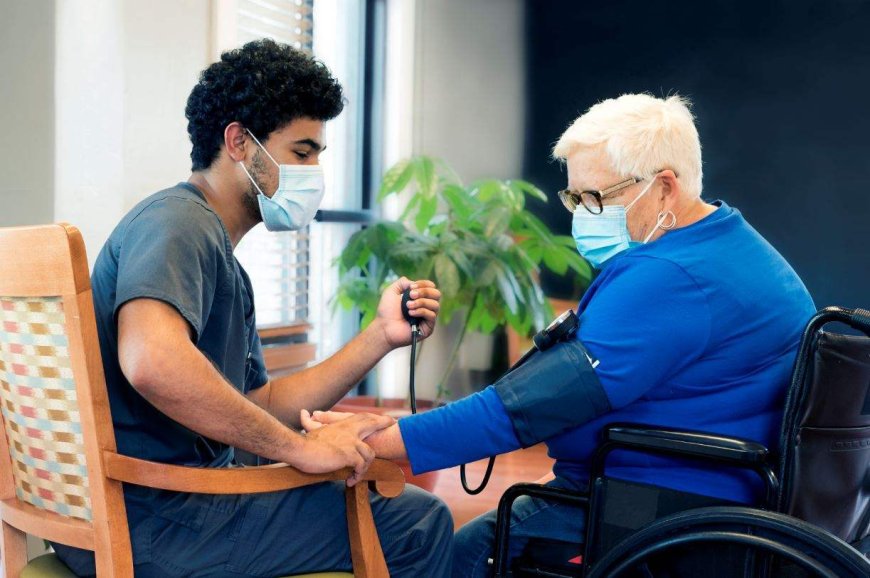
Providing medical care at home has become an increasingly important solution for patients and families seeking convenience, personalized attention, and professional support. A doctor at home paired with a home nurse ensures that individuals receive comprehensive care without the stress of frequent hospital visits. Home nurses play a vital role in improving recovery, managing chronic conditions, and supporting patients in various healthcare situations, offering both medical and emotional assistance in a familiar environment.
1. Post-Surgery Recovery:
After surgery, patients often require close monitoring and assistance to ensure proper healing:
-
Managing wound care and dressing changes
-
Administering medications and pain relief
-
Assisting with mobility and gentle exercises
-
Monitoring for signs of infection or complications
-
Providing guidance and reassurance to patients and families
2. Chronic Disease Management:
Home nurses help patients maintain stability and prevent complications from long-term conditions:
-
Monitoring vital signs and symptoms regularly
-
Ensuring adherence to prescribed medications
-
Educating patients and caregivers about disease management
-
Coordinating care with a doctor at home for medication adjustments
-
Providing preventive care and early detection of issues
3. Elderly Care:
Elderly individuals often require assistance to maintain independence and safety at home:
-
Helping with daily activities such as bathing and dressing
-
Monitoring for falls or other safety risks
-
Encouraging mobility and exercise
-
Supporting nutrition and meal preparation
-
Providing companionship to reduce isolation
4. Maternal and Newborn Support:
Home nurses provide essential care for mothers and newborns in the early stages of life:
-
Assisting with breastfeeding and infant feeding
-
Monitoring the health of both mother and baby
-
Providing guidance on postnatal recovery
-
Educating families about newborn care and safety
-
Coordinating follow-ups with a doctor at home if necessary
5. Palliative and Hospice Care:
Home nurses play a crucial role in providing comfort and dignity for terminally ill patients:
-
Managing pain and symptom control
-
Offering emotional and psychological support to patients and families
-
Assisting with daily living activities
-
Ensuring proper nutrition and hydration
-
Coordinating care with healthcare providers for holistic support
6. Rehabilitation After Injury or Stroke:
Patients recovering from injuries or strokes require specialized care to regain function:
-
Assisting with physical therapy exercises
-
Monitoring progress and documenting improvements
-
Providing guidance on safe mobility and fall prevention
-
Encouraging adherence to rehabilitation routines
-
Supporting emotional recovery during rehabilitation
7. Post-Hospitalization Care:
After discharge from the hospital, home nurses ensure smooth transitions and continued recovery:
-
Monitoring for complications or relapse
-
Administering medications and treatments as prescribed
-
Providing guidance on lifestyle adjustments
-
Coordinating follow-up appointments with healthcare providers
-
Offering reassurance and support to patients and families
8. Mental Health Support:
Home nurses can assist patients struggling with mental health conditions:
-
Offering companionship and emotional support
-
Monitoring behavioral changes and mood
-
Encouraging adherence to therapy or medication
-
Educating families on coping strategies and mental health care
-
Collaborating with a doctor at home for timely interventions
9. Assistance for Individuals with Disabilities:
Patients with physical or cognitive disabilities benefit from personalized home care:
-
Supporting daily activities such as feeding and hygiene
-
Providing mobility assistance and safe transfers
-
Monitoring health and medication needs
-
Facilitating therapy and rehabilitation routines
-
Educating families on effective caregiving strategies
10. End-of-Life Planning and Support:
Home nurses help patients and families navigate the complexities of end-of-life care:
-
Ensuring comfort and dignity in the patients final stages
-
Managing pain and symptom relief
-
Providing emotional and spiritual support
-
Assisting families with caregiving tasks and decision-making
-
Coordinating with doctors and hospice services for comprehensive care
Final Thoughts:
Home nurses make a significant difference in a wide variety of healthcare situations, from post-surgery recovery to chronic disease management, elderly care, maternal support, rehabilitation, and end-of-life care. When combined with a doctor at home, patients receive a complete healthcare solution that ensures professional medical supervision, personalized support, and timely interventions. The presence of a skilled home nurse improves outcomes, enhances comfort, reduces hospital visits, and provides emotional reassurance for both patients and families, making home-based care an invaluable resource in modern healthcare.