










Tiny House Experts Explain How the Right Trailer Impacts Long-Term Safety

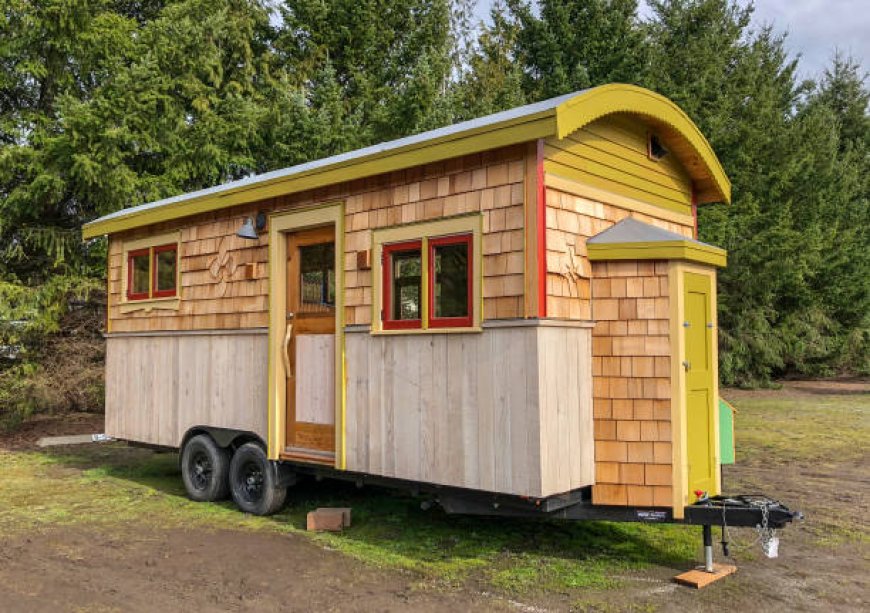
When people think about tiny houses, they usually picture cozy interiors, clever storage, or how Instagram-worthy the space looks. But heres the thing most people overlook: the trailer underneath your tiny home is the unsung hero of long-term safety. Tiny house experts will tell you, and Ill bluntly agree, that even the most beautiful design means nothing if your foundationthe trailerisnt right. Ive seen too many setups where the shiny exterior hid serious risks. You cant just slap a house onto any trailer and hope for the best. Its about weight distribution, structural integrity, and how the trailer handles wear and tear over time.
Why the Right Trailer Matters
Trailers arent just platforms to roll your home from one spot to another. Theyre the backbone of the entire structure. A tiny house trailer has to carry the weight of everything insideappliances, furniture, water tanksand then some. Tiny house experts constantly emphasize the importance of calculating total weight accurately. People forget that a trailer rated for 10,000 pounds might start bending if you load it with 12,000 pounds of home and gear. Thats not just bad for mobility; its a huge safety hazard.
Another big factor is balance. Trailers with uneven weight distribution can sway dangerously on the road. Its not just uncomfortable; its outright dangerous. Your tiny home could tip in extreme conditions, like high winds or sharp turns. Thats why experts insist on using trailers designed specifically for tiny houses, with reinforced frames and the right axle setup. Its about long-term durability, not short-term savings. Trust me, cutting corners here almost always comes back to bite you.
The Role of Tiny Home Builders in Trailer Selection
Tiny home builders dont just build walls and install cabinets. They think about trailers from day one. A skilled builder knows how the design of your home interacts with the trailer. For instance, the location of heavy elements like water tanks or wood stoves can affect the trailers performance and safety. Tiny home builders consider axle placement, suspension, and even tire choice. They treat the trailer as part of the overall engineering, not an afterthought.
This is where many DIYers stumble. You might find a cheap trailer, then figure out how to fit your dream layout. But tiny house experts warn that this approach often leads to long-term headaches. A misaligned trailer can stress the frame, cause cracks in the walls, or lead to uneven flooring over time. It may work for a few months, but tiny houses arent meant to be temporary fixes. Theyre homes. And your safety depends on that.
Trailer Types and What Works Best
Not all trailers are created equal. Some are flatbeds, some are gooseneck, and each has different load capacities. Tiny house experts usually recommend trailers with steel frames over aluminum because steel flexes less and generally handles weight better. But even within steel options, you have to check the gauge of the metal and how the beams are reinforced. Go too cheap, and youre flirting with disaster. Spend wisely, and you get years of reliable service.
Axle configuration is another critical detail. Single-axle trailers might work for very small homes, but most tiny houses benefit from dual axles for stability. Dual axles spread the weight more evenly and reduce stress on tires and suspension. Tiny home builders often run these calculations early, deciding exactly how many axles and what kind of braking system is required. Its not glamorous, but its essential. You want smooth towing, fewer accidents, and less maintenance in the long run.
Maintenance and Longevity
Even the right trailer wont keep you safe if its neglected. Tiny house experts stress regular inspections. Check for rust, loose bolts, and worn tires. Pay attention to suspension wear. Trailers endure a lot of abuseroads are rough, loads shift, and weather does its thing. Simple upkeep extends your trailers life and keeps your home safer. Ignore it, and small problems snowball. A tiny home is a big investment. Treat the trailer with respect, and it rewards you.
Theres also the question of modifications. Sometimes homeowners want to add decks, extra storage, or heavier appliances. Tiny home builders warn against improvising without recalculating trailer capacity. Overloading the trailer might not show immediate problems, but long-term, it can compromise safety. Experts suggest consulting with your builder or another trailer specialist before making changes. Its one of those cases where an ounce of planning is worth a pound of repairor worse, disaster.
Real-Life Consequences
Ive seen it happen: trailers bend, axles fail, or tires blow out because homeowners ignored advice. The tiny house experts often recount stories where a poorly chosen trailer caused structural issues in homes that looked fine from the outside. Imagine living in a house that slowly sags or sways with every step. Its unsettling, and honestly, dangerous. Choosing the right trailer upfront avoids all of that. Its the difference between a house that lasts and one that constantly needs fixesor worse, one that puts you at risk on the road.
Conclusion
Heres the blunt truth: your tiny house trailer is not a minor detail. Tiny house experts treat it as a foundation, a structural necessity that impacts long-term safety, comfort, and peace of mind. From weight distribution to axle configuration and material choice, every detail matters. Tiny home builders know this and design around it, making sure your house isnt just cute, but safe. Skimping here might save money today, but itll cost you in repairs, stress, and potentially your safety down the line. Choose the right trailer, maintain it properly, and youll have a tiny house thats solid, safe, and built to last. Thats not glamorous advice, but its honestand its the kind of guidance that tiny house experts swear by.