









What Makes Traditional Silk Sarees Timeless in Indian Weddings
Learn what makes traditional silk sarees a timeless choice for Indian weddings, from rich craftsmanship to cultural symbolism.

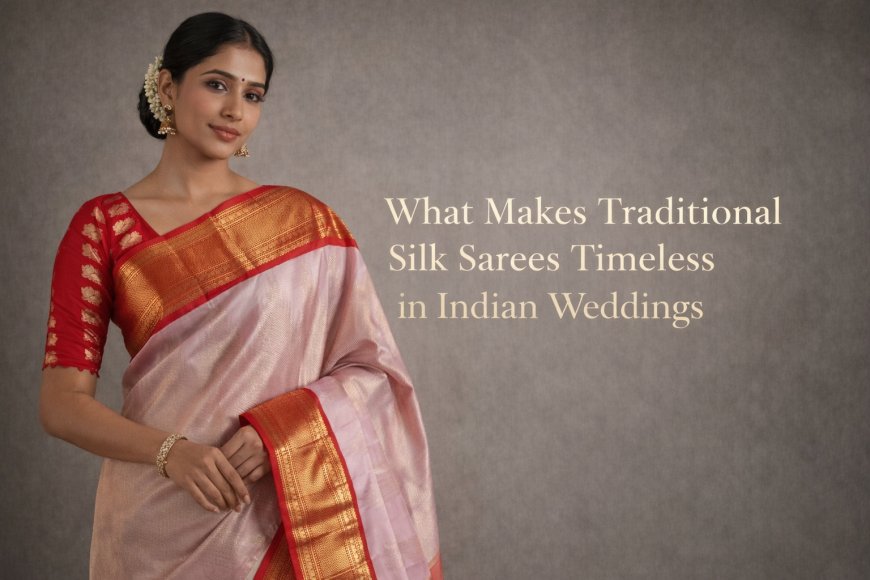
Indian weddings are a vibrant tapestry of colors, rituals, and traditions that celebrate love, family, and cultural heritage. Amidst the dazzling array of attire, the silk saree has always stood out as a symbol of elegance and grace. From the bustling streets of Chennai to the serene temples of Varanasi, silk sarees have woven their way into the hearts of brides and grooms alike. The allure of these garments lies not only in their beauty but also in the stories they carry, the craftsmanship that goes into each thread, and the timeless charm that never fades. In this exploration, we delve into the elements that make traditional silk sarees, especially traditional kanjivaram sarees, a cherished choice for Indian weddings.
The Rich Heritage of Silk in India
Silk has been an integral part of Indian culture for millennia, tracing its roots back to the Indus Valley Civilization. The ancient trade routes that connected India to the Middle East and Southeast Asia facilitated the exchange of silk, spices, and ideas, enriching the tapestry of Indian textile arts. Over centuries, regions such as Mysore, Kanchipuram, and Varanasi developed distinctive weaving techniques, each adding a unique flavor to the silk saree. This heritage is reflected in the intricate patterns, vibrant dyes, and meticulous craftsmanship that define every piece. The legacy of silk, therefore, is not just about fabric but also about the continuity of artisanal knowledge passed down through generations.
Weaving Techniques That Define Timelessness
The artistry of silk saree weaving is a meticulous process that blends skill, patience, and creativity. Weavers begin by selecting the finest silk fibers, often sourced from local silkworm farms. The yarn is then dyed using natural pigments derived from plants, minerals, and insects, ensuring that each color retains its richness even after years of wear. The weaving itself is a dance of precision: the warp and weft threads are interlaced on a handloom, producing patterns that can range from simple geometric motifs to elaborate mythological scenes. The durability of the weave, combined with the lustrous sheen of silk, gives these sarees a timeless appeal that transcends fashion trends.
Color Palette: From Subtle Pastels to Bold Brilliance
Color plays a pivotal role in defining the mood and symbolism of a wedding saree. Traditional Indian weddings often favor rich, saturated hues such as deep reds, royal blues, and emerald greens, each associated with auspicious meanings. However, modern brides are increasingly embracing softer pastels and metallic accents to create a contemporary yet culturally resonant look. The dyeing process for silk is intricate; artisans must balance the intensity of color with the preservation of the fabric's natural softness. This careful equilibrium ensures that the saree remains vibrant through countless celebrations and memories.
Design Motifs: Stories Woven into Fabric
Every silk saree is a canvas that tells a story through its motifs. From the iconic Kanjivaram patterns of intricate gold zari borders to the delicate floral designs of Kanchipuram, each motif carries cultural significance. These designs are often inspired by mythological tales, nature, or historical events, and they are meticulously embroidered or woven into the fabric. The storytelling aspect of saree design adds a layer of emotional depth, allowing brides to connect with their heritage on a personal level. Moreover, the uniqueness of each design ensures that no two sarees are exactly alike, enhancing their individuality and allure.
Fabric Quality: The Essence of Silk
Silks natural propertiesits smooth texture, natural sheen, and breathabilitymake it an ideal choice for wedding attire. Unlike synthetic fabrics, silk adapts to temperature changes, keeping the wearer cool during hot festivals and warm during cooler evenings. The high tensile strength of silk fibers also means that the saree can withstand frequent handling and washing without losing its shape or luster. These qualities contribute to the garments longevity, allowing it to be passed down as a family heirloom or cherished as a personal treasure for years to come.
Draping Styles: A Fusion of Tradition and Modernity
The way a saree is draped can dramatically alter its appearance and symbolism. Traditional draping styles such as the Nivi, Bengali, and Maharashtrian are deeply rooted in regional customs and often dictate the placement of embellishments and jewelry. In contemporary weddings, brides might experiment with fusion drapes that blend elements from different cultures, creating a unique silhouette that reflects their personal style. This flexibility in draping ensures that silk sarees remain relevant, allowing brides to honor tradition while embracing modern aesthetics.
Cultural Significance: More Than Just Attire
Beyond its physical beauty, the silk saree carries profound cultural weight. It is a symbol of purity, prosperity, and reverence. In many Indian families, the brides first saree is considered a talisman that brings good fortune to the household. The sarees presence in rituals such as the Saat Phere (seven vows) and the Anand Karaj (joyful union) underscores its role as a sacred garment that bridges the earthly and the divine. This deep-rooted cultural significance adds an emotional layer to the saree, elevating its status from mere clothing to a cherished heirloom.
Modern Adaptations: Innovation Meets Tradition
While preserving traditional techniques, the silk saree industry has embraced innovation to meet contemporary demands. Designers now experiment with new dyeing methods, eco-friendly materials, and hybrid designs that incorporate sequins, crystals, and contemporary prints. Additionally, the rise of digital platforms has democratized access to silk sarees, allowing brides worldwide to explore a vast array of styles from the comfort of their homes. These innovations ensure that silk sarees remain a dynamic and evolving symbol of Indian weddings.
Sustainability and Ethical Production
In an era where sustainability is paramount, the silk saree industry is taking significant steps toward ethical production. Many artisans now use organic dyes and eco-friendly processing methods to reduce environmental impact. Additionally, the handloom sector supports rural economies, providing livelihoods to countless weavers and their families. By choosing a silk saree, brides not only celebrate tradition but also support sustainable practices that preserve both the planet and the craft.
Conclusion
From the ancient origins of silk weaving to the vibrant hues that adorn modern brides, traditional silk sarees embody a timeless elegance that resonates across generations. Their enduring appeal lies in the harmonious blend of heritage, craftsmanship, and cultural symbolism, making them an indispensable part of Indian wedding celebrations. As we look to the future, the continued evolution of silk saree designwhile honoring its rootsensures that these garments will remain a cherished emblem of love, tradition, and beauty for years to come. For those seeking the pinnacle of silk craftsmanship, kanchipuram pure silk sarees offer a sublime fusion of heritage and modern sophistication that promises to elevate every wedding experience.