









The Role of Micro-Movements in Healing Zirconia Dental Implants
Control micro-movements during healing to support strong osseointegration and long-term success with zirconia dental implants.
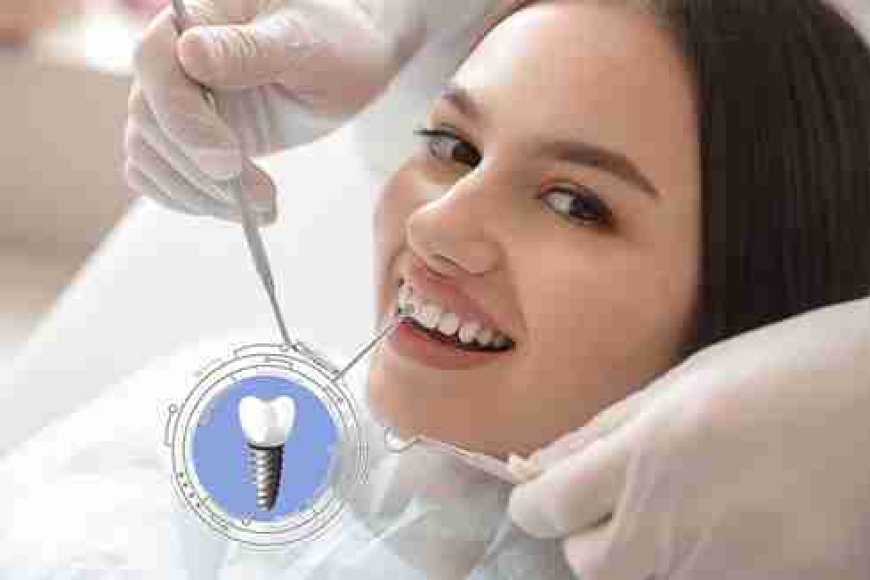
Zirconia dental implants are an increasingly popular choice for patients seeking metal-free, biocompatible, and visually natural tooth replacement solutions. Their excellent tissue compatibility and aesthetic appeal make them a strong alternative to traditional implant materials. However, successful treatment outcomes depend on more than just the implant itself. A key factor influencing long-term success is implant stability during the early healing phase. Even minimal micro-movements can disrupt the delicate process by which bone bonds to the implant surface. Although these movements are not noticeable, they can significantly affect healing. Understanding and controlling micro-movements is essential for achieving stable integration and predictable, long-lasting implant results.
Understanding Micro-Movements in Dental Implants
What Are Micro-Movements?
Micro-movements are tiny mechanical shifts that occur at the interface where the implant surface meets the surrounding bone. These movements are measured in microns and are not felt by the patient, yet they can significantly influence healing.Some degree of movement is inevitable due to normal physiological forces. However, when movement exceeds a narrow tolerance range, it can disrupt the delicate biological processes required for stable bone attachment.
When Do Micro-Movements Occur?
Micro-movements are most likely to occur during the early healing phase, particularly in the first few weeks following implant placement. During this time, bone cells are actively forming new connections around the implant surface.
Common sources of micro-movement include:
- Chewing or biting forces
- Clenching or grinding habits
- Accidental pressure on the implant site
- Premature loading of the implant
This early stage is critical, as excessive movement can interfere with proper healing before osseointegration has fully developed.
How Zirconia Implants Heal Within the Bone
The Process of Osseointegration
Osseointegration is the biological process by which bone grows directly onto the implant surface, creating a stable and long-lasting connection. This direct bone-to-implant contact allows the implant to function like a natural tooth root, supporting chewing forces over time.For osseointegration to occur successfully, the implant must remain stable while new bone tissue forms. Excessive movement during this phase can prevent bone cells from attaching properly.
Healing Characteristics of Zirconia Implants
Zirconia implants are highly biocompatible, encouraging favourable responses from both hard and soft tissues. Their surface properties support bone cell attachment, but their rigidity means they are less forgiving when exposed to uncontrolled forces.This makes precise placement and careful management of healing conditions particularly important, especially in restorative cases such asdental implant Nottinghamtreatments, where long-term function and durability are key considerations.
Impact of Excessive Micro-Movements on Healing
When micro-movements exceed acceptable limits, they can disrupt the natural healing sequence. Instead of forming strong bone around the implant, the body may produce fibrous connective tissue at the implant interface.
This can lead to several complications:
- Reduced implant stability
- Inability to withstand normal chewing forces
- Increased risk of implant failure
- Prolonged or compromised healing
Zirconia implants, due to their stiffness, require particular attention during early healing. Even moderate forces applied too soon can compromise integration, highlighting the importance of controlled loading protocols in Zirconia Implants Nottingham care.

Factors That Influence Micro-Movements
Both clinical and patient-related factors contribute to the likelihood of micro-movement during healing.
Clinical Factors
|
Factor |
Influence on Stability |
|
Bone density |
Softer bone increases movement risk |
|
Implant dimensions |
Shorter or narrower implants offer less resistance |
|
Surgical accuracy |
Poor angulation reduces primary stability |
|
Loading timing |
Early loading disrupts bone formation |
Patient-Related Factors
Patient behaviour also plays a significant role. Habits such as clenching or grinding place additional stress on healing implants. Accidental trauma or failure to follow post-operative instructions can further increase movement risk.Managing these factors is essential for achieving predictable outcomes in advanced treatments, including Dental Implant Nottingham procedures.
Clinical Strategies to Minimise Micro-Movements
Preventing excessive micro-movement begins long before implant placement and continues throughout the healing period.
Pre-Surgical Planning
Detailed assessment using modern imaging allows clinicians to evaluate bone quality, volume, and anatomical limitations. This helps determine the optimal implant size and position, reducing instability risks.
Surgical Precision
Guided implant placement improves accuracy and helps achieve strong primary stability. Correct angulation and depth are essential for resisting early mechanical forces.
Controlled Healing Protocols
Key strategies include:
- Delayed loading to protect early bone formation
- Use of temporary restorations to minimise occlusal forces
- Bone grafting when necessary to improve support
These measures are especially valuable in zirconia implant cases, where maintaining stability is critical for successful osseointegration.
Role of Technology in Improving Healing Outcomes
Modern dental technology has significantly improved the ability to control micro-movements. Digital workflows allow clinicians to plan implant placement with remarkable precision, reducing variability and enhancing predictability.
Technological tools include:
- CBCT imaging for detailed bone assessment
- Digital planning software for accurate positioning
- CAD/CAM systems for balanced provisional restorations
- Custom surgical guides for controlled placement
Such advancements support stable healing and are particularly beneficial in complex cases involvingzirconia implants Nottingham, where accuracy directly influences long-term success.
Patients Role in Protecting Implant Healing
While clinical expertise establishes the foundation for implant success, patient cooperation is equally important during healing.
Patients can support stability by:
- Following a soft diet as recommended
- Avoiding chewing on the implant side
- Wearing a night guard if grinding is present
- Maintaining excellent oral hygiene
- Attending all follow-up appointments
These actions significantly reduce stress on the implant and help ensure uninterrupted bone integration.

Recognising Early Signs of Implant Instability
Early detection of instability allows prompt intervention, potentially preventing implant failure. Patients should remain attentive to changes during healing.
Warning signs may include:
- Persistent discomfort or tenderness
- Sensation of movement at the implant site
- Redness or swelling around the implant
- Changes in bite comfort
Reporting symptoms early allows clinicians to address issues before osseointegration is compromised.
Conclusion
Micro-movements play a crucial role in the healing of zirconia dental implants. When properly managed through careful planning, precise placement, advanced technology, and patient cooperation, the risks associated with early movement can be significantly reduced. Understanding and controlling these forces helps support strong osseointegration, long-term stability, and reliable implant performance. For patients seeking high-quality zirconia implant care focused on precision and durability, Smilo Dental Implant Nottingham remains committed to delivering outcomes that support lasting oral health and confident smiles.