










The Role of a Home Nurse in Ventilator Support

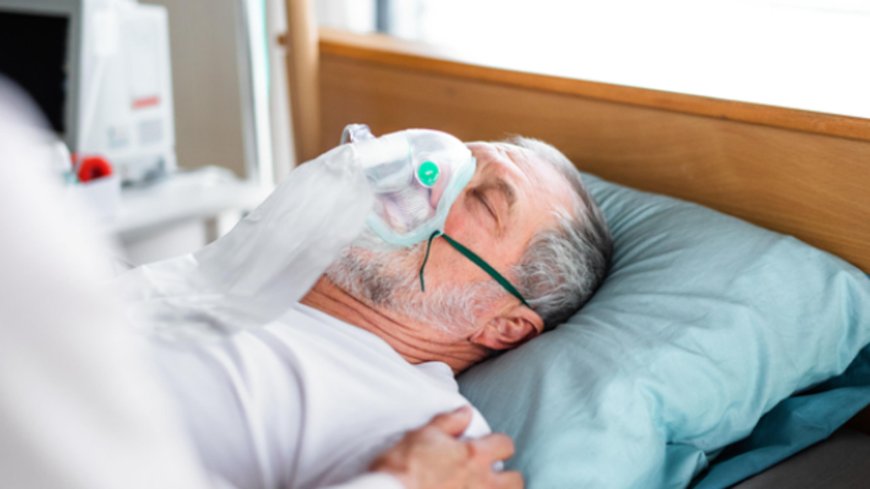
Home-based ventilator support has become an essential option for families caring for individuals with long-term respiratory needs, offering comfort, familiarity, and continuity of care. However, managing a ventilator at home requires professional oversight to ensure safety, effectiveness, and patient well-being. A trained home nurse plays a vital role in this setting by providing skilled clinical support, guidance, and reassurance to both patients and families. This article explores the critical responsibilities and value of a home nurse in delivering high-quality ventilator support, particularly for households managing Ventilator Care At Home In Dubai.
Understanding the Role of a Home Nurse in Ventilator Care:
A home nurse serves as a bridge between hospital-level care and the home environment, ensuring that ventilator support is delivered safely and according to medical guidelines. Their role goes beyond basic caregiving, as they bring clinical expertise, monitoring skills, and problem-solving abilities that help maintain stable respiratory support while reducing the risk of complications.
Setting Up and Managing Ventilator Equipment:
One of the primary responsibilities of a home nurse is ensuring that ventilator equipment is set up correctly and functions as prescribed. Proper setup minimizes the risk of errors and enhances patient comfort. Key equipment-related duties include:
-
Assembling and checking ventilator components
-
Verifying prescribed settings and alarms
-
Inspecting tubing and connections
-
Ensuring proper humidification setup
Monitoring Patient Respiratory Status:
Continuous monitoring is essential for patients on ventilator support, and a home nurse is trained to recognize subtle changes that may indicate emerging issues. Through regular observation, nurses help maintain stability and respond promptly when concerns arise. Monitoring responsibilities include:
-
Observing breathing patterns and effort
-
Assessing oxygen levels and vital signs
-
Watching for signs of respiratory distress
-
Documenting changes and trends
Responding to Ventilator Alarms and Emergencies:
Ventilator alarms can signal a wide range of issues, from minor adjustments to urgent situations. A home nurse understands how to interpret alarms accurately and take appropriate action without delay. Their presence helps reduce anxiety for families and ensures quick, effective responses during emergencies.
Preventing Infections and Maintaining Hygiene:
Infection prevention is a critical aspect of ventilator care, and home nurses follow strict hygiene protocols to protect vulnerable patients. They also educate families on proper cleaning routines and infection control measures. Key infection prevention practices include:
-
Maintaining strict hand hygiene
-
Cleaning and disinfecting equipment regularly
-
Monitoring for early signs of infection
-
Ensuring a clean care environment
Supporting Patient Comfort and Positioning:
Patient comfort directly affects the effectiveness of ventilator support and overall quality of life. Home nurses regularly assess comfort levels and make adjustments to reduce discomfort and prevent complications. Comfort-focused care includes:
-
Ensuring proper mask or interface fit
-
Adjusting patient positioning
-
Monitoring skin integrity
-
Addressing discomfort or anxiety promptly
Educating and Training Family Members:
Education is a vital part of a home nurses role, as families often participate in daily care. Nurses provide hands-on training and clear instructions to build caregiver confidence and competence. Training areas commonly include:
-
Basic ventilator operation
-
Alarm recognition and response
-
Hygiene and infection prevention
-
Emergency preparedness steps
Coordinating With Healthcare Providers:
Home nurses maintain ongoing communication with doctors, respiratory therapists, and other healthcare professionals to ensure care plans remain accurate and effective. They share observations, report concerns, and support adjustments to treatment as needed, strengthening the overall care network for patients receiving ventilator support at home.
Supporting Emotional Well-Being of Patients and Families:
Living with a ventilator can be emotionally challenging for both patients and caregivers. Home nurses offer reassurance, empathy, and emotional support that helps reduce stress and build trust. Their presence often brings peace of mind, knowing that professional care is readily available in the home.
Ensuring Continuity and Consistency of Care:
Consistency is essential in ventilator support, and home nurses help maintain stable routines that promote safety and predictability. By following established care plans and documenting observations, they ensure continuity of care even as patient needs evolve, reinforcing the effectiveness of Ventilator Care At Home In Dubai over time.
Reducing Hospital Readmissions:
Through proactive monitoring, early intervention, and patient education, home nurses play a significant role in reducing avoidable hospital readmissions. Their ability to identify issues early and manage them at home helps improve outcomes while minimizing disruption to the patients daily life.
Final Thoughts.
The role of a home nurse in ventilator support is both comprehensive and invaluable, combining clinical expertise with compassionate care in a home setting. From equipment management and monitoring to education and emotional support, home nurses help families navigate the complexities of ventilator care with confidence. With professional nursing support in place, home ventilator care becomes safer, more effective, and more sustainable, allowing patients to experience greater comfort and stability while remaining in the familiarity of their own homes.