










The Rise of Honeycomb Boards in Exhibition Stand Design
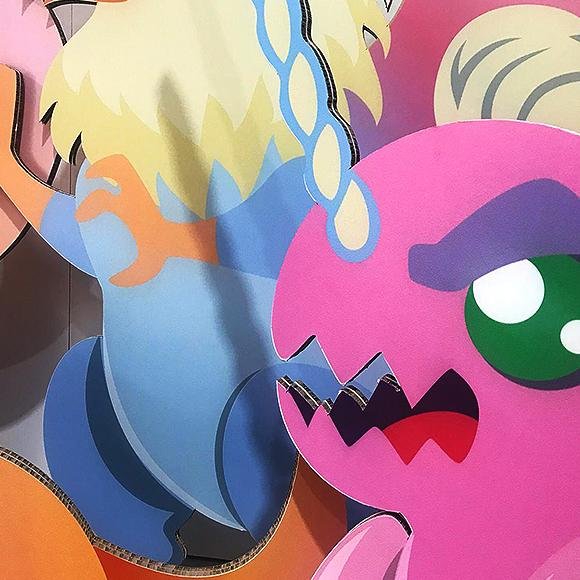
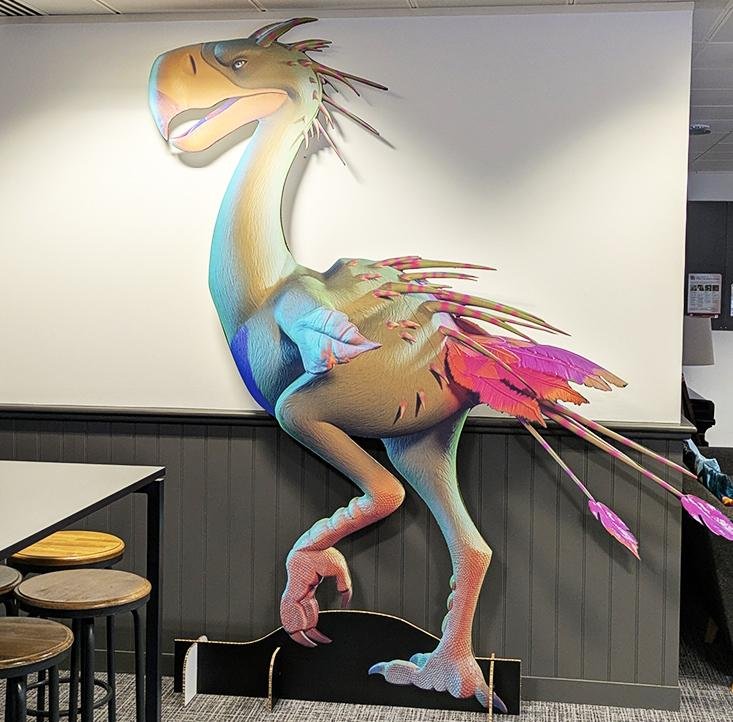
High-strength honeycomb boards for exhibition stands, suitable for Reboard displays and creative elements like a cardboard person cutout.
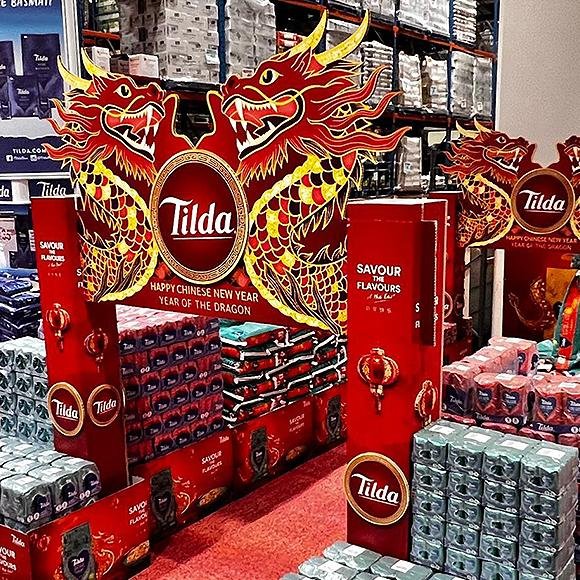
In the busy world of exhibitions, brands compete to make their presence felt with display stands that are visually striking, lightweight, and easy to manage. As demand grows for materials that combine style, strength, and sustainability, honeycomb boards have rapidly become a preferred choice among designers and builders. Their impressive structure, adaptable surface, and recyclability place them at the centre of modern exhibition stand design. This blog looks at how honeycomb boards are reshaping the way temporary spaces are built, styled, and branded, and why they continue to gain momentum across the exhibition sector.
What Are Honeycomb Boards?
Honeycomb boards are engineered panels created by bonding outer sheetsoften paper-based or composite materialsto a hexagonal core resembling the natural geometry of a honeycomb. This structure results in exceptional strength while keeping the overall weight remarkably low. The design also offers a smooth, stable surface suitable for direct printing, mounting, and finishing. These characteristics make honeycomb boards ideal for structures that need to remain sturdy without the bulk of heavier materials.
In recent years, sustainable options such asReboardhave gained prominence for their environmental benefits and design flexibility. These boards are lightweight, high-strength, and printable, allowing designers to build visually impressive stands without compromising eco-friendly principles.
Why Honeycomb Boards Are Transforming Exhibition Stand Design
Honeycomb boards have become a key material in exhibition spaces due to the unique balance they provide between performance and adaptability.
Lightweight yet Strong
The panels carry very little weight, which supports quick transportation, easier lifting, and reduced installation labour. Despite their lightness, the honeycomb core provides rigidity, helping large structures stand firm throughout an event.
Sustainable Choice
A significant advantage of honeycomb boards lies in their recyclability. Many types, including Reboard, are made from responsibly sourced paper and designed for minimal environmental impact. As sustainability becomes essential in the events industry, these boards support reduced waste and responsible material usage.
Cost-Effective for Temporary Structures
Exhibition stands are often short-term installations, which makes affordability important. Honeycomb boards provide excellent value by offering the durability needed for event use while keeping production and transport costs practical.
Highly Customisable
Honeycomb boards lend themselves well to creative fabrication. They are suitable for CNC cutting, shaping, folding, and direct printing. From clean geometric lines to curved forms, this material supports a wide range of design concepts. Exhibition teams can even integrate elements such as acardboard person cutoutas part of a branded display, ensuring the stand feels cohesive and engaging.
Interior Uses Within Exhibition Stands
Inside exhibition environments, honeycomb boards excel in creating visually appealing and functional elements. Their smooth print-ready surface and structural stability make them suitable for a variety of applications.
Common interior uses include:
- Partition panels
- Display backdrops
- Shelving units
- Podiums and counters
- Branded wall cladding
These boards are also advantageous in helping designers achieve clean edges and large seamless surfaces, contributing to a professional and modern aesthetic. Their ability to absorb sound to an extent can also improve the ambience of enclosed stand spaces, supporting a more comfortable visitor experience.
External or High-Traffic Use
Honeycomb boards also perform well in areas exposed to regular movement or interaction. When reinforced or laminated, they offer durability suitable for installations positioned at stand entrances or high-contact zones.
Typical uses include:
- Entry arches
- Check-in counters
- Freestanding structures
- Pop-up features
Some honeycomb variants are designed with added resistance to moisture or surface wear, making them suitable for semi-outdoor areas or hybrid spaces connected to exhibition halls.
Honeycomb Boards vs Traditional Stand Materials
To better illustrate their advantages, the table below provides a clear comparison between honeycomb boards and other common materials used in exhibition construction:
|
Material |
Weight |
Strength |
Sustainability |
Cost |
Best Use |
|
Honeycomb Board |
Very Light |
High |
Excellent |
Moderate |
Panels & structures |
|
MDF / Wood |
Heavy |
High |
Low |
High |
Permanent builds |
|
Foamex |
Light |
Medium |
Low |
Low |
Print displays |
|
Aluminium |
Medium |
Very High |
Medium |
High |
Framework |
Honeycomb boards strike the ideal balance for temporary stand design by offering durability, easy handling, sustainability, and reliable structural support.
Printing & Finishing Options That Bring Designs to Life
Honeycomb boards respond exceptionally well to contemporary printing techniques. Direct-to-board UV printing allows for rich colours and crisp detailing, providing a premium look without additional layers. Designers can choose from laminated finishes for extra protection or matte and gloss options to match the stands visual identity.
Precision cutting, die-cutting, and CNC routing enable bespoke shapes and intricate patterns. These capabilities help transform a simple board into a structured feature that contributes meaningfully to the overall stand design. This adaptability is especially useful when integrating 3D elements or creating packaging-style assemblies that add depth to the display.
Installation & Practical Considerations
Another advantage of honeycomb boards is their ease of installation. The lightweight nature of the panels reduces lifting challenges, while their structural stability supports secure fixing. They can be assembled using adhesives, Velcro, or screws depending on the stand design.
Key practical points include:
- Multiple thickness options available for different build requirements
- Panels can be reinforced for load-bearing features
- Simple cutting makes on-site adjustments manageable
- Smooth edges reduce finishing time
These factors contribute to a faster, cleaner build process, which is essential in event environments where schedules are tight.
The Future of Honeycomb Boards in Exhibition Design
Honeycomb boards are set to play an even more significant role in future exhibition designs. Their sustainability credentials align with the growing industry focus on environmental responsibility, while their compatibility with modular stand systems supports reusability. Developments in fire safety, print technology, and material coatings further expand their potential. As brands seek materials that perform well without sacrificing presentation quality, honeycomb boards offer a strong foundation for forward-thinking stand design.
Conclusion
Honeycomb boards have reshaped the way exhibition stands are brought to life, offering a blend of strength, sustainability, versatility, and visual impact. Their adaptability supports creative installations, modular structures, and printed elements such as Reboard panels and even features like a cardboard person cutout. For businesses aiming to create stands that are easy to transport, build, and present, honeycomb boards continue to prove their value. These benefits make them a smart and future-ready choice for exhibition design, supported by the expertise of Board Printing Company.