Step-by-Step Guide to Conducting a Professional Sound Level Test in Dubai
Learn how to conduct a professional sound level measurement in Dubai with this step-by-step guide covering testing methods, compliance, and reporting.

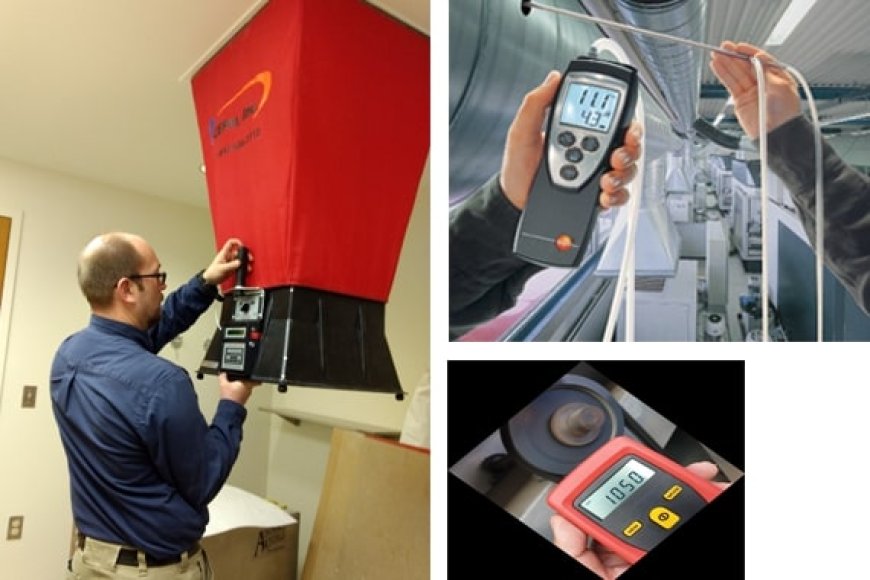
Noise control has become a critical requirement for construction sites, commercial facilities, residential projects, and public events. Sound level measurement Dubai regulations are designed to protect public health, ensure environmental compliance, and maintain urban comfort. Conducting a professional sound level test is not just about using a meterit involves planning, correct methodology, accurate data collection, and proper reporting. This step-by-step guide explains how sound level testing is professionally conducted in Dubai, helping businesses, developers, and property owners understand the process clearly and comply with local requirements.
What Is a Sound Level Test?
A sound level test is a systematic process used to measure noise intensity in decibels (dB) over a specific period. The goal is to assess whether noise levels comply with regulatory limits set for different environments such as residential, commercial, industrial, or construction zones.
Professional sound level testing ensures accuracy, reliability, and legally acceptable results.
Why Sound Level Measurement Is Important in Dubai
Dubai is a fast-growing city with ongoing construction, infrastructure projects, and commercial activities. Sound level measurement is essential to:
-
Control noise pollution
-
Protect public health and worker safety
-
Meet environmental and occupational standards
-
Avoid fines or project delays
-
Support approvals for permits and inspections
Accurate noise testing helps authorities and businesses maintain compliance while minimizing disruption to surrounding areas.
Step-by-Step Process for Conducting a Professional Sound Level Test
Step 1: Identify the Purpose of the Sound Test
Before testing begins, it is essential to define why the measurement is required. Common purposes include:
-
Environmental noise compliance
-
Construction site monitoring
-
Occupational noise exposure assessment
-
Event noise monitoring
-
Residential noise complaints
The purpose determines the testing method, duration, and acceptable limits.
Step 2: Review Applicable Noise Standards
Different activities in Dubai are governed by specific noise limits depending on location and time of day. These standards define:
-
Maximum allowable decibel levels
-
Daytime and nighttime limits
-
Residential, commercial, and industrial thresholds
Understanding these limits ensures the test is conducted correctly and results are interpreted accurately.
Step 3: Select the Appropriate Sound Level Meter
Professional sound level testing requires calibrated and certified instruments. The sound level meter must be suitable for:
-
Environmental noise monitoring
-
Occupational noise exposure
-
Long-term or short-term measurements
The device should measure key parameters such as equivalent continuous sound level (Leq), maximum sound level (Lmax), and peak noise levels.
Step 4: Calibrate the Equipment
Calibration is a critical step that ensures measurement accuracy.
-
The sound level meter should be calibrated before and after testing
-
Calibration ensures readings are reliable and defensible
Skipping calibration can invalidate results and lead to non-compliance.
Step 5: Choose Measurement Locations Carefully
The accuracy of a sound level test depends heavily on microphone placement. Professionals consider:
-
Distance from the noise source
-
Height above ground
-
Proximity to reflective surfaces
-
Direction of sound propagation
For residential testing, measurements are often taken near windows or property boundaries, while construction testing focuses on perimeter zones.
Step 6: Conduct Baseline Noise Measurements
Baseline measurements record existing background noise levels before the activity begins. This step helps distinguish between:
-
Ambient noise
-
Project-related noise
Baseline data is especially important for construction sites and event noise monitoring.
Step 7: Perform Active Noise Measurements
During this phase, noise levels are measured while the activity is in progress. Professionals:
-
Monitor sound continuously or at set intervals
-
Record peak, average, and fluctuating noise levels
-
Observe changes due to weather or operational conditions
The duration of measurement depends on the type of project and regulatory requirements.
Step 8: Record Environmental Conditions
Environmental factors can affect sound propagation. During testing, professionals document:
-
Wind speed and direction
-
Temperature and humidity
-
Weather conditions
This information supports accurate analysis and ensures test reliability.
Step 9: Analyze the Collected Data
Once measurements are complete, the data is analyzed against applicable limits. This step involves:
-
Comparing results with permissible noise thresholds
-
Identifying exceedances
-
Assessing noise patterns and duration
Analysis determines whether corrective actions are required.
Step 10: Prepare a Professional Sound Level Report
The final step is generating a detailed report that includes:
-
Purpose of the test
-
Measurement locations and methodology
-
Equipment details and calibration records
-
Noise data and analysis
-
Compliance status and recommendations
A professional report is essential for audits, inspections, approvals, and dispute resolution.
Common Mistakes to Avoid During Sound Level Testing
-
Using uncalibrated or uncertified equipment
-
Incorrect microphone placement
-
Ignoring background noise
-
Conducting tests without understanding applicable limits
-
Failing to document environmental conditions
Avoiding these mistakes ensures accurate results and regulatory acceptance.
When Should You Conduct Sound Level Measurement?
Sound testing should be conducted:
-
Before starting construction activities
-
During high-noise operations
-
After complaints or inspections
-
Before and during large events
-
As part of routine environmental monitoring
Regular testing helps prevent violations and demonstrates responsible noise management.
Conclusion
Conducting a professional sound level test requires more than just measuring noiseit involves planning, technical expertise, and regulatory knowledge. Following a structured process ensures accurate sound level measurement Dubai compliance and helps businesses, developers, and property owners meet environmental and safety obligations. By understanding each step, stakeholders can ensure reliable results, reduce risks, and maintain a safe and compliant environment across all types of projects.