









Payment Kiosks: How Self-Service Payments Simplify Customer Transactions
Self-service payment kiosks are revolutionizing how customers make transactions. By combining speed, convenience, security, and accuracy, these kiosks offer a superior payment experience that meets the expectations of today’s digital consumers.

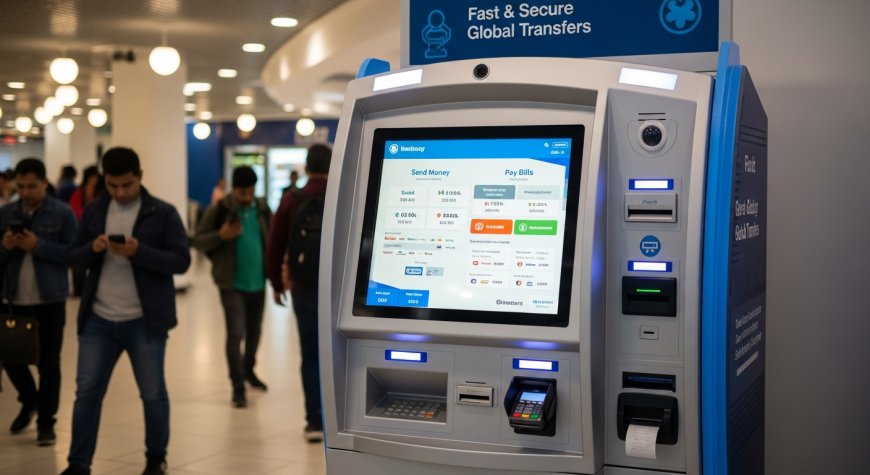
In todays digital-first world, customers expect fast, seamless, and convenient payment experiences. Whether theyre paying bills, purchasing tickets, topping up services, or settling invoices, the demand for quick and hassle-free transactions has never been higher. This shift has led to the rapid adoption of self-service payment kiosks, a modern solution that empowers customers to complete payments independentlywithout queues, delays, or staff intervention.
A kiosk machine designed specifically for payments merges advanced software, secure integrations, and user-friendly technology to handle everything from cash to card and digital wallet transactions. Heres how payment kiosks are simplifying customer transactions across industries.
1. Faster Service with Minimal Wait Times
Traditional payment counters often involve queues, manual processing, and heavy staff involvement. Payment kiosks eliminate these challenges by providing instant, automated service.
How they speed up service:
-
Quick scanning of bills, QR codes, or account numbers
-
Reduced waiting time, even during peak hours
-
Multiple kiosks operating simultaneously without extra staff
-
Faster payment processing with automated systems
Customers can walk up to a kiosk machine, complete their transaction in minutes, and move onmaking the overall experience smoother and more efficient.
2. 24/7 Availability for Maximum Convenience
One of the biggest advantages of a payment kiosk is round-the-clock availability. Unlike manned counters limited by business hours, kiosks provide uninterrupted serviceperfect for malls, transport hubs, clinics, residential communities, and government service centers.
Why it matters:
-
Customers can pay at their convenience
-
Reduces pressure on customer service staff
-
Excellent for high-traffic locations
-
Ideal for urgent or time-sensitive payments
This flexibility boosts customer satisfaction while helping businesses maintain continuous service.
3. Multi-Payment Options for Greater Flexibility
A modern kiosk machine supports a wide range of payment methods, ensuring customers can choose what works best for them.
Commonly supported payment modes:
-
Credit and debit cards
-
Contactless NFC payments
-
UPI and mobile wallets
-
Cash and coin acceptors
-
QR code scanning
-
Bank transfers (via integrated apps)
This variety makes the payment kiosk suitable for all types of users, from tech-savvy customers to those who prefer traditional cash transactions.
4. Enhanced Accuracy with Digital Processing
Manual payment handling often leads to errorsmiscalculations, incorrect entries, or missing receipts. Payment kiosks significantly minimize such issues with automated processes.
Accuracy benefits include:
-
Automatic calculation of bill amount
-
Error-free data entry
-
Real-time validation
-
Digital receipts via SMS, email, or print
The result is a more reliable payment system with minimal human errors.
5. Secure Transactions with Advanced Technology
Security is essential for any payment system. Todays payment kiosks are built with robust software and hardware safeguards to protect sensitive customer data.
Security features include:
-
Encrypted payment gateways
-
PCI-compliant card readers
-
Secure cash vaults
-
Biometric and PIN authentication (depending on design)
-
Anti-tampering hardware protection
-
Real-time monitoring and alerts
These features ensure that customers can trust the kiosk machine to handle their financial transactions safely.
6. Reduced Operational Costs for Businesses
Deploying payment kiosks allows businesses to automate repetitive payment tasks, which reduces staffing needs and operational expenses.
Cost-saving benefits:
-
Less dependency on manned payment counters
-
Lower labor costs
-
Efficient use of staff for higher-value tasks
-
Reduced human errors and reprocessing costs
This makes payment kiosks a smart investment that pays for itself over time.
7. Improved Customer Experience with User-Friendly Design
Payment kiosks are designed with intuitive interfaces, simple navigation, and clear instructions. This ensures that anyoneregardless of age or digital experiencecan use the machine with ease.
User-friendly features:
-
Touchscreen navigation
-
Multiple language options
-
Visual guides and icons
-
Text-to-speech support
-
Large fonts and accessible design features
These details help create a stress-free experience for customers, making them more likely to use the kiosk again.
8. Integration with Business Systems
Payment kiosks can seamlessly integrate with backend systems such as billing software, CRM platforms, inventory systems, and accounting tools.
Integration benefits:
-
Real-time data updates
-
Instant syncing of customer payments
-
Automated invoice generation
-
Accurate financial reporting
-
Reduced administrative workload
This ensures smoother business operations and improved overall efficiency.
9. Scalable for Different Industries
Payment kiosks are highly versatile and can be used across various sectors:
-
Retail stores
-
Government service centers
-
Hospitals and clinics
-
Transportation hubs
-
Utility bill payment centers
-
Telecom recharge stations
-
Educational institutions
-
Parking facilities
The flexibility of a kiosk machine makes it a powerful solution for both large corporations and small businesses.
Conclusion
Self-service payment kiosks are revolutionizing how customers make transactions. By combining speed, convenience, security, and accuracy, these kiosks offer a superior payment experience that meets the expectations of todays digital consumers. For businesses, they reduce operational costs, improve efficiency, and create a modern, customer-friendly environment.
As technology continues to evolve, self-service kiosks will remain at the forefront of payment innovationmaking transactions faster, smarter, and more accessible for everyone.