









Key Man Insurance vs Key Person Insurance: What’s the Difference?
Understand the differences, benefits, and how each policy protects businesses from losing key individuals.

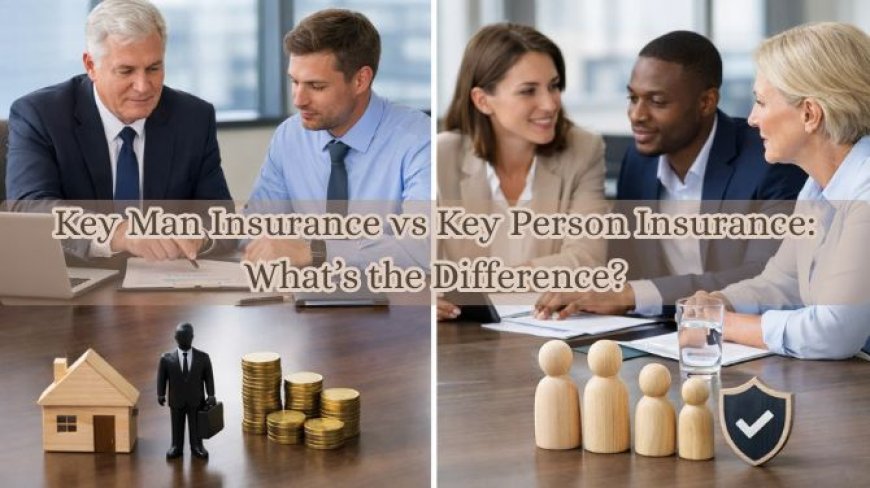
When businesses think about risk management, they often focus on market conditions, finances, and operations. However, one of the most significant risks is the sudden loss of a crucial individual whose skills, leadership, or relationships drive the company forward. This is where a Key Man Insurance Policy becomes highly relevant. Many business owners come across the terms Key Man Insurance and Key Person Insurance and assume they are completely different products. In reality, the distinction is more about terminology and usage than about purpose.
Understanding the Core Concept
Both Key Man Insurance and Key Person Insurance are designed to protect a business from the financial impact of losing an essential individual. This person could be a founder, senior executive, top salesperson, technical expert, or any employee whose absence would significantly affect revenue or operations. The insurance provides a payout to the business, helping it manage expenses, stabilize cash flow, and plan for the future during a difficult transition.
Is There a Real Difference in Meaning?
From a functional standpoint, there is no major difference between the two terms. Key Man Insurance is a traditional phrase that has been widely used for decades, while Key Person Insurance is a more modern and inclusive term. Both refer to the same type of business protection. The choice of wording often depends on insurer preferences, regional practices, or a companys internal policies.
Policy Ownership and Beneficiary
In both cases, the business owns the policy, pays the premiums, and is the beneficiary. This structure ensures that the company receives the financial benefit if the insured individual passes away or becomes unable to work, depending on the coverage. Unlike personal life insurance, the payout is not meant for family members but for the business itself to safeguard continuity.
What Does the Coverage Include?
Coverage typically focuses on life insurance, but many policies also offer additional protection such as critical illness or disability benefits. This means the business can receive financial support not only in the event of death but also if the key individual is unable to perform their role due to serious health conditions. This flexibility makes such insurance particularly valuable in todays unpredictable business environment.
Why Businesses Use This Insurance
The primary reason companies invest in this type of insurance is to reduce financial disruption. The payout can be used for various purposes, such as recruiting and training a replacement, covering operational costs, repaying outstanding loans, or maintaining investor confidence. For startups and growing businesses, this support can be the difference between survival and closure during a crisis.
Role in Business Planning and Growth
This insurance is also an important part of long-term business planning. It complements succession planning by providing immediate financial stability while leadership transitions take place. Investors and lenders often view businesses with this coverage more favorably, as it demonstrates foresight and responsible risk management.
Tax and Accounting Considerations
Tax treatment can vary based on jurisdiction, policy structure, and the purpose of the insurance. In some cases, premiums may not be tax-deductible, while payouts could be taxable. It is always advisable for businesses to consult with financial or tax advisors to understand how the policy fits into their overall financial strategy.
Choosing the Right Coverage Amount
Selecting the appropriate coverage amount is crucial. Businesses should consider factors such as the individuals contribution to revenue, the cost of replacement, potential loss of profits, and outstanding financial obligations. Whether referred to as Key Man or Key Person Insurance, the goal remains the same: ensuring the company has sufficient financial support during a challenging period.
Which Term Should You Use?
In practice, businesses can use either term without concern. Insurers, advisors, and financial institutions generally understand them to mean the same thing. The focus should not be on the name, but on structuring the policy correctly to match the companys specific risks and objectives.
Conclusion
While the names may differ, the purpose and benefits remain aligned. Both terms describe a strategic insurance solution that protects businesses from the unexpected loss of a vital individual. By understanding the similarities and choosing appropriate coverage, companies can strengthen their risk management framework and protect long-term stability. In many regions and documents, this protection may also be referred to as Keyman Policy Insurance, reinforcing that it is simply another way to describe the same essential business safeguard.