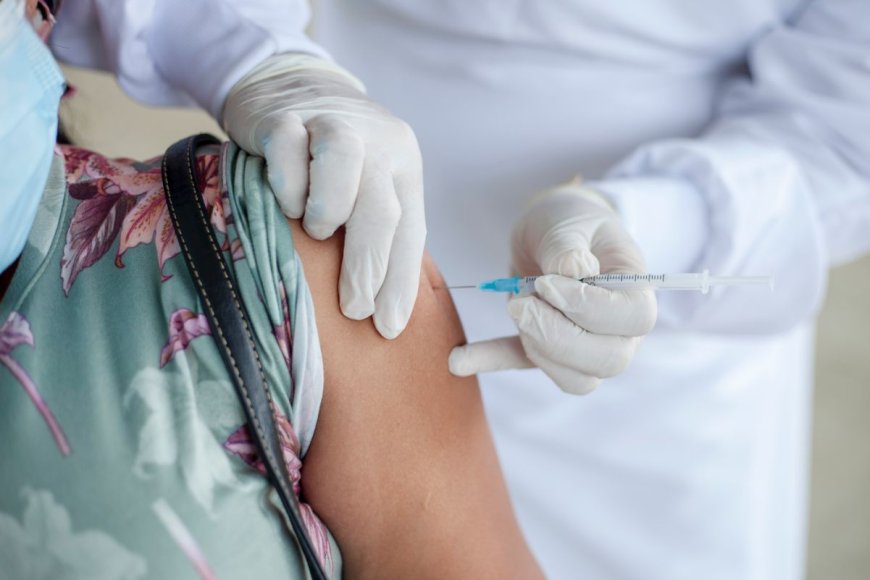
Preventive healthcare continues to adapt to the needs of modern families, offering more flexible and personalized ways to stay protected. Vaccination is a key part of this shift, especially for adolescents and adults who may face scheduling, comfort, or access challenges. HPV Vaccine at Home is one such option, providing a convenient and medically supervised way to receive protection against human papillomavirus without the need for a traditional clinic visit.
Understanding HPV and Why Vaccination Matters:
Human papillomavirus is one of the most common viral infections worldwide and can affect people of all genders. Certain strains are associated with serious health conditions, including cervical, anal, and throat cancers that may develop years after infection. Vaccination helps prevent infection before exposure, making it a critical step in long-term health planning for both teens and adults.
Why Teens and Adults Are Choosing At-Home Options:
Adolescents and adults often have different reasons for preferring home-based vaccination, but convenience and comfort are common themes. Teens may feel less anxious in a familiar environment, while adults appreciate reduced disruption to work or family life. This model reflects a broader trend toward healthcare that adapts to individual lifestyles rather than requiring patients to adjust their schedules around clinic availability.
Eligibility for Teens and Adults:
Eligibility for at-home HPV vaccination is determined through medical screening based on age, health history, and vaccination status. Healthcare professionals assess whether the vaccine is appropriate before administration. This process ensures safety while allowing both teens and adults to receive care tailored to their specific needs and circumstances.
Preparing for the At-Home Vaccination Appointment:
Preparation is usually simple and designed to reduce stress for patients and caregivers. Prior to the visit, individuals may be asked to confirm basic health information and consent. Common preparation steps include:
-
Completing a brief medical questionnaire
-
Choosing a quiet, clean space for the appointment
-
Wearing comfortable clothing that allows easy access to the injection site
These steps help ensure a smooth and efficient experience.
What Happens During the Visit:
On the day of the appointment, a licensed healthcare professional arrives with all necessary medical supplies. They review consent, confirm patient details, and explain the procedure before administering the vaccine using sterile techniques. The process is typically quick, and professionals are trained to communicate clearly with both teens and adults to ease any concerns.
Post-Vaccination Observation and Aftercare:
After the vaccine is administered, patients are observed for a short period to monitor for immediate reactions. This is a standard safety practice similar to clinic-based care. Patients receive aftercare guidance that may include:
-
Information on mild side effects such as soreness or fatigue
-
Advice on normal activities following vaccination
-
Instructions on when to seek medical advice if needed
This guidance helps patients feel confident once the visit concludes.
Completing the Recommended Vaccine Schedule:
HPV vaccination often requires multiple doses depending on age and health guidelines. At-home services typically assist with planning follow-up doses to ensure the full series is completed on time. This structured support is especially helpful for teens and busy adults, as it reduces the likelihood of missed appointments and supports optimal vaccine effectiveness.
Comfort and Privacy Benefits for Teens:
For adolescents, medical appointments can sometimes be a source of anxiety or resistance. Receiving care at home offers a familiar and less intimidating environment, which can encourage cooperation and open communication. Parents and guardians also benefit from being present in a relaxed setting where questions can be addressed without feeling rushed.
Advantages for Busy Adults:
Adults often delay preventive care due to work commitments, caregiving responsibilities, or limited clinic hours. Home-based vaccination addresses these challenges by fitting into existing routines. Benefits for adults may include:
-
Reduced need for time off work
-
Elimination of travel and waiting times
-
Greater flexibility in scheduling appointments
These advantages make it easier to prioritize preventive health.
Safety Standards and Professional Oversight:
Safety remains a top priority in home-based vaccination. Providers follow strict medical protocols for vaccine storage, handling, and administration. Licensed professionals conduct health assessments and remain prepared to manage routine side effects, ensuring that care quality matches that of traditional healthcare settings.
Addressing Common Questions and Concerns:
Some teens and adults may have questions about effectiveness, side effects, or the home-based setting. Healthcare professionals take time to explain the vaccine, address misconceptions, and provide evidence-based information. This personalized education can increase confidence and help patients make informed decisions about their health.
Cost and Insurance Considerations:
Costs for at-home vaccination services can vary depending on location, provider, and insurance coverage. While some services may include convenience fees, individuals often consider indirect savings such as reduced travel costs and fewer missed work hours. Reviewing insurance benefits in advance helps set clear expectations.
Accessibility and Inclusive Care:
Home-based vaccination improves access for individuals who face barriers such as mobility limitations, transportation challenges, or anxiety in clinical environments. By bringing care directly to the patient, this model supports more inclusive preventive healthcare for teens and adults from diverse backgrounds.
The Role of Home-Based Vaccination in Public Health:
Increasing access to vaccination supports broader public health goals by improving immunization rates and reducing the spread of preventable diseases. Home-based services complement clinics by reaching people who might otherwise delay or skip recommended vaccines, strengthening community-wide prevention efforts.
Making an Informed Choice:
Deciding on a vaccination setting involves weighing personal preferences, convenience, and access to trusted providers. For many teens and adults, home-based vaccination offers a balance of comfort and professional care that aligns with modern healthcare expectations. Understanding what to expect helps patients approach the experience with confidence.
Final Thoughts:
Vaccination is a proactive investment in long-term health, and delivery models continue to evolve to meet patient needs. By combining clinical standards with flexibility and comfort, HPV Vaccine at Home offers teens and adults a practical alternative to traditional settings. For those seeking convenience without compromising safety, this approach represents a patient-centered option that supports preventive care at every stage of life.