










How To Seal Ductwork Safely Without Damaging HVAC Systems

Air duct systems play a quiet but critical role in home comfort. They deliver heated and cooled air to every room. When leaks form, comfort drops and energy waste rises. Many homeowners want to learn how to seal ductwork but worry about damaging their HVAC system in the process. That concern is valid. Improper sealing methods can restrict airflow, stress equipment, and create long-term issues.
Homes in Oklahoma City suburbs like Mustang, Newcastle, and Nichols Hills experience wide temperature swings each year. These conditions cause duct joints to loosen over time. Safe duct sealing focuses on protecting airflow while closing leaks correctly.
Why Safety Matters When Sealing Ductwork
Duct sealing improves efficiency only when done with care. HVAC systems rely on balanced airflow. Blocking vents or sealing the wrong areas can cause pressure problems. Excess pressure strains blower motors and shortens system life.
Many older homes were built with duct layouts that require professional handling. Tight spaces, aging materials, and hidden connections increase risk, which is why homeowners often rely on an expert duct sealing repair service. Safe sealing methods respect system design and airflow requirements while protecting HVAC performance.
Understanding How Duct Leaks Form Over Time
Duct leaks rarely appear overnight. Small gaps develop as materials expand and contract. Vibration from HVAC operation loosens joints. Moisture weakens adhesives. Flexible ducts may tear or sag.
In areas like Newcastle, homes with attic-mounted ducts often experience leakage due to insulation movement. Nichols Hills homes with older metal duct systems may show separation at seams. Each situation requires a tailored approach.
Common Mistakes Homeowners Make When Sealing Ducts
One common mistake is using standard cloth duct tape. Despite its name, it fails quickly under heat and moisture. Another mistake is sealing supply vents or return grilles. These areas must remain open for proper airflow.
Some homeowners apply sealants without securing loose joints first. Air pressure then forces gaps open again. Others ignore airflow testing altogether. Safe sealing always starts with understanding where air should flow.
Materials That Protect HVAC Performance
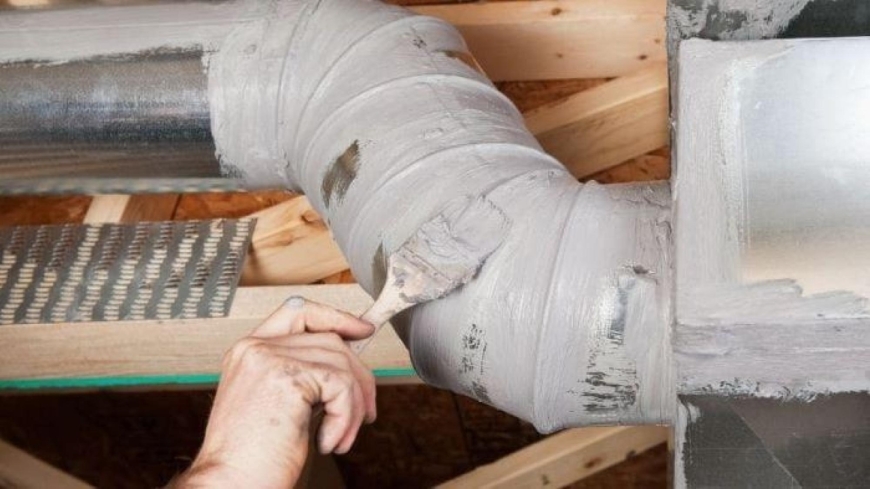
Safe duct sealing relies on the right materials. Mastic sealant remains flexible and bonds well to metal and flexible ducts. It handles temperature changes without cracking.
Foil-backed HVAC tape supports small seams when used correctly. Fiberglass mesh reinforces larger gaps before sealing. These materials protect airflow while closing leaks.
Avoid spray foam near ducts unless recommended by a professional. Expanding foam can crush flexible ducts or block air passages.
How To Seal Ductwork Without Restricting Airflow
The process begins with inspection. Professionals identify leaks using visual checks and airflow measurement. Seams and joints receive priority attention. Loose connections are secured before sealing. Sealant is applied evenly. Thick layers block airflow. Thin, controlled application ensures coverage without obstruction. Each step preserves system balance.
Homeowners seeking to fix ductwork leaks in residential homes benefit from expert methods that protect HVAC components while improving efficiency.
When DIY Sealing Becomes Risky
Simple sealing on exposed ducts may seem easy. However, many leaks hide behind walls or insulation. Accessing them without experience risks damage.
Improper sealing can trap moisture inside ducts. That moisture encourages mold growth and corrosion. Safe sealing includes moisture control and ventilation awareness.
Professional services reduce these risks. Trained technicians understand system design and avoid common mistakes.
The Role Of Duct Cleaning In Safe Sealing
Dirty ducts reduce airflow even when sealed correctly. Dust buildup narrows passageways and traps heat. Cleaning before sealing restores full airflow and improves seal effectiveness.
Kitchen and laundry ducts deserve special attention. Grease and lint buildup increase fire risk. Many homeowners rely on kitchen exhaust duct cleaning experts to address these areas before sealing.
Combining cleaning with sealing delivers better results and longer-lasting efficiency.
Local Experience Makes A Difference
Oklahoma homes vary by neighborhood and age. Local experience helps technicians recognize common construction patterns. That knowledge improves sealing accuracy. Companies like Duct Squads work across Mustang, Newcastle, and Nichols Hills. Their familiarity with local housing styles supports safer outcomes. Homeowners who contact this cleaning company in Oklahoma receive guidance tailored to regional conditions.
Long-Term Benefits Of Safe Duct Sealing
When ductwork is sealed safely, airflow improves immediately. HVAC systems cycle less often. Energy bills stabilize. Indoor comfort becomes consistent. Safe sealing also extends equipment life. Motors and fans operate under less strain. Repairs become less frequent.
Families notice cleaner indoor air as leaks stop pulling contaminants into the system. The home feels healthier year-round.
Knowing When Professional Help Is Needed
Some signs indicate professional evaluation is necessary. Uneven room temperatures persist. Energy bills rise despite normal usage. Dust returns quickly after cleaning. These issues suggest hidden leaks or airflow imbalance. Professional assessment prevents costly mistakes. Homeowners interested in sealing air ducts to stop airflow loss gain peace of mind by choosing experienced providers.
Final Thoughts
Learning how to seal ductwork safely protects both comfort and investment. The right materials, methods, and expertise matter. Shortcuts create long-term problems.
Homeowners ready to improve efficiency can contact us for trusted guidance. For direct support and scheduling, use https://www.ductsquads.com/contact/ to start the process with confidence.