









How Teeth Cleaning Helps Prevent Cavities and Bad Breath
How Teeth Cleaning Helps Prevent Cavities and Bad Breath by removing plaque, tartar, and bacteria, improving oral hygiene, gum health, and long-term dental care.
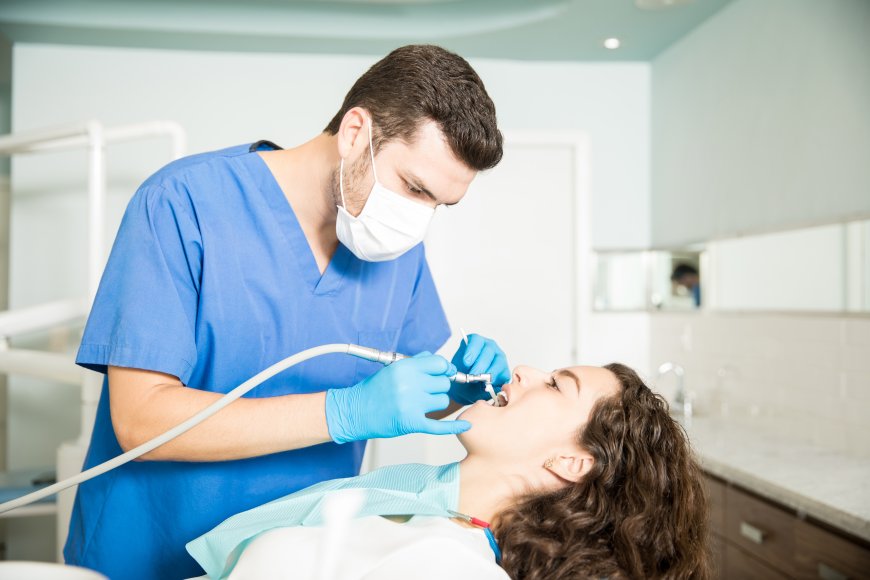
Maintaining good oral hygiene goes beyond brushing and flossing at home. While daily care is essential, it is often not enough to remove all plaque and bacteria from the mouth. This is where professional teeth cleaning plays a crucial role. Regular teeth cleaning not only keeps your smile bright but also helps prevent cavities and bad breath, two of the most common dental problems faced by people of all ages.
In this article, we will explain in detail how teeth cleaning works, why it is important, and how it protects your teeth and breath in the long run.
What Is Teeth Cleaning?
Teeth cleaning, also known as dental scaling and polishing, is a professional dental procedure performed by a dentist or dental hygienist. It involves:
-
Removing plaque and tartar (hardened plaque) from teeth
-
Cleaning below the gum line
-
Polishing teeth to remove surface stains
-
Reducing harmful bacteria in the mouth
Even with regular brushing, plaque can accumulate in hard-to-reach areas. Over time, this plaque hardens into tartar, which cannot be removed with a toothbrush. Professional teeth cleaning safely removes these deposits and restores oral health.
Understanding Cavities and Bad Breath
Before understanding how teeth cleaning helps, it is important to know what causes cavities and bad breath.
What Causes Cavities?
Cavities form when:
-
Plaque bacteria feed on sugars from food
-
These bacteria produce acids
-
Acids weaken and damage tooth enamel
-
Over time, holes (cavities) develop in the teeth
If left untreated, cavities can lead to pain, infection, and even tooth loss.
What Causes Bad Breath?
Bad breath (halitosis) is commonly caused by:
-
Plaque and food particles stuck between teeth
-
Bacteria buildup on teeth, gums, and tongue
-
Gum disease
-
Poor oral hygiene
Persistent bad breath is often a sign of underlying dental issues that require professional care.
How Teeth Cleaning Helps Prevent Cavities
1. Removes Plaque Before It Turns Harmful
Plaque is a sticky film of bacteria that constantly forms on teeth. Professional teeth cleaning removes plaque from:
-
Between teeth
-
Along the gum line
-
Hard-to-reach areas
By removing plaque early, teeth cleaning stops acids from damaging tooth enamel, significantly reducing the risk of cavities.
2. Eliminates Tartar That Brushing Cannot Remove
Once plaque hardens into tartar, brushing and flossing are no longer effective. Tartar creates a rough surface on teeth where more bacteria can grow.
Teeth cleaning:
-
Removes tartar safely
-
Prevents further plaque buildup
-
Reduces the chance of cavity formation
This is one of the biggest advantages of professional dental cleaning.
3. Protects Tooth Enamel
During teeth cleaning, dentists remove harmful substances without damaging enamel. Polishing smoothens the tooth surface, making it harder for plaque to stick.
Strong, clean enamel is less likely to develop cavities, even if you occasionally consume sugary or acidic foods.
4. Helps Detect Early Signs of Tooth Decay
Regular teeth cleaning appointments allow dentists to:
-
Identify early signs of cavities
-
Provide preventive treatments
-
Suggest better oral hygiene practices
Early detection prevents small problems from turning into painful and expensive treatments.
How Teeth Cleaning Helps Prevent Bad Breath
1. Removes Bacteria That Cause Odor
Bad breath is mainly caused by bacteria that release unpleasant-smelling gases. Teeth cleaning removes:
-
Bacteria from teeth and gums
-
Food debris trapped between teeth
-
Plaque deposits causing odor
This results in fresher breath immediately after the procedure.
2. Improves Gum Health
Unhealthy gums can trap bacteria, leading to gum disease and bad breath. Teeth cleaning:
-
Cleans below the gum line
-
Reduces inflammation
-
Prevents gum infections
Healthy gums mean less bacterial growth and longer-lasting fresh breath.
3. Polishing Removes Stains and Odor-Causing Residue
Polishing smoothens the teeth and removes stains from:
-
Tea and coffee
-
Tobacco
-
Certain foods
A clean, polished tooth surface reduces odor-causing buildup, keeping your mouth fresher for longer.
4. Helps Control Chronic Bad Breath
If bad breath keeps returning despite brushing, it may be due to hidden plaque or gum disease. Regular teeth cleaning addresses the root cause instead of just masking the problem with mouthwash.
Additional Benefits of Regular Teeth Cleaning
Apart from preventing cavities and bad breath, teeth cleaning also:
-
Prevents gum disease
-
Improves overall oral hygiene
-
Enhances the appearance of teeth
-
Reduces the risk of tooth loss
-
Saves money by avoiding major dental treatments
It is one of the simplest yet most effective preventive dental procedures.
How Often Should You Get Teeth Cleaning?
Most dentists recommend professional teeth cleaning every six months. However, you may need it more frequently if you:
-
Smoke or use tobacco
-
Have gum disease
-
Are prone to cavities
-
Have diabetes or other health conditions
Your dentist can suggest the ideal cleaning schedule based on your oral health.
Who Should Get Professional Teeth Cleaning?
Teeth cleaning is suitable for:
-
Children and adults
-
Seniors
-
Patients with braces
-
People with bad breath or bleeding gums
It is a safe and effective procedure for maintaining long-term oral health.
Conclusion
Professional teeth cleaning is more than just a cosmetic dental treatment. It plays a vital role in preventing cavities and bad breath by removing plaque, tartar, and harmful bacteria that daily brushing cannot eliminate. Regular dental cleaning strengthens teeth, protects enamel, improves gum health, and ensures fresh breath.
By scheduling routine teeth cleaning appointments and maintaining good oral hygiene at home, you can enjoy a healthier smile, fewer dental problems, and greater confidence in your daily life.