










How safe is a gastric balloon for people with heart conditions?
Discover how safe a gastric balloon in Dubai is for people with heart conditions, including precautions, benefits, and guidelines for effective weight loss.
Obesity is a major contributor to heart disease, high blood pressure, and other cardiovascular issues. For individuals with heart conditions, weight-loss interventions can significantly improve overall healthbut safety is a critical concern. In Dubai, the Gastric balloon (????? ??????)has emerged as a popular, minimally invasive solution for weight loss. Many patients wonder: How safe is a gastric balloon for people with heart conditions?
This article provides a detailed overview of gastric balloon safety, precautions, benefits, and post-procedure considerations for those with cardiovascular concerns.
What Is a Gastric Balloon?
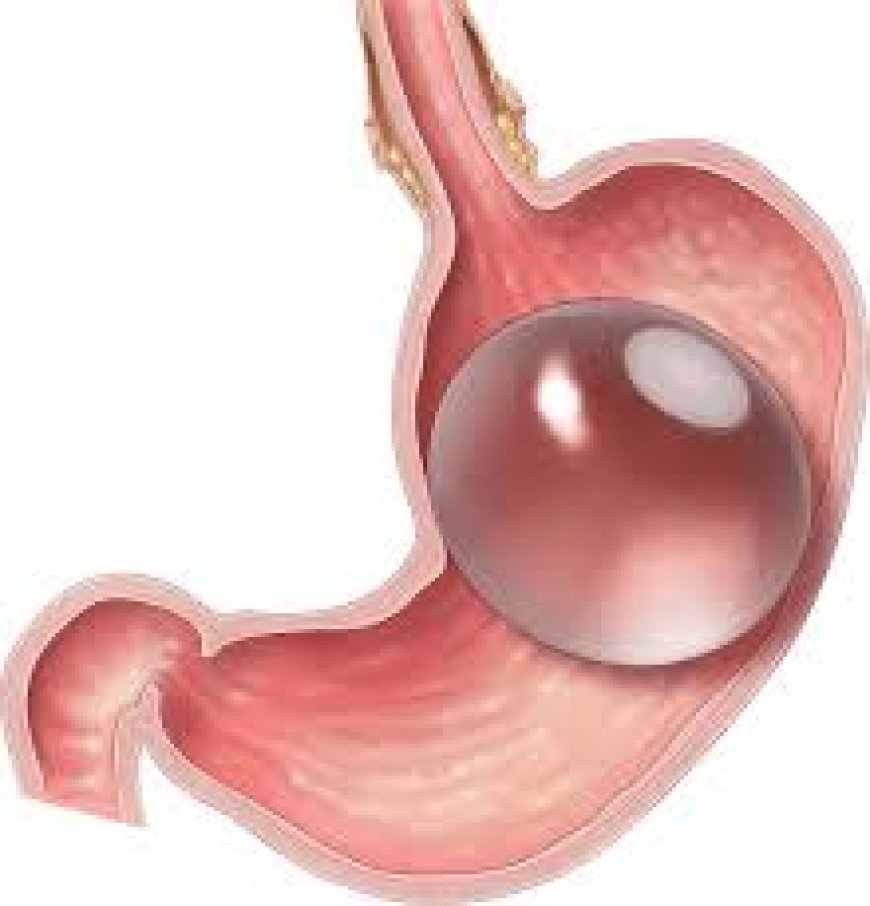
A gastric balloon is a soft, inflatable device placed in the stomach via a non-surgical endoscopic procedure. Once in place, it:
-
Occupies space in the stomach to limit food intake
-
Promotes early satiety, helping patients reduce portion sizes
-
Encourages healthier eating habits and sustainable weight loss
The balloon is usually removed after six months, providing a temporary but effective tool for jumpstarting weight management.
Benefits of Weight Loss for Heart Health:
For patients with heart conditions, even modest weight loss can have profound health benefits:
-
Reduced blood pressure: Less strain on the heart and arteries
-
Improved cholesterol levels: Lower risk of plaque buildup and cardiovascular disease
-
Better blood sugar control: Reduces risk of type 2 diabetes
-
Enhanced mobility: Decreased pressure on joints improves activity tolerance
-
Reduced cardiac workload: Weight loss lowers heart rate and oxygen demand
By aiding weight reduction, gastric balloons can indirectly improve cardiovascular health, making them an appealing option for high-risk patients.
Safety Considerations for Heart Patients:
While gastric balloons are minimally invasive, certain precautions are essential for individuals with heart conditions:
Comprehensive Medical Evaluation:
Before the procedure, patients undergo:
-
Cardiovascular assessment including ECG, echocardiogram, or stress tests if necessary
-
Review of current medications, such as blood thinners or heart medications
-
Risk assessment for sedation or procedural complications
This ensures the balloon procedure is safe and appropriate.
Choice of Balloon Type:
Different gastric balloons may be better suited for patients with cardiovascular concerns:
-
Air-filled balloons: Lighter and may reduce pressure on the stomach, lowering post-procedure discomfort
-
Swallowable balloons: Non-endoscopic options may avoid sedation, which can reduce risk for heart patients
Sedation and Procedure Safety:
Most gastric balloons are placed under mild sedation, which is generally safe for heart patients with proper monitoring.
-
Continuous monitoring of heart rate, blood pressure, and oxygen levels is standard in Dubai clinics.
-
The short procedure duration (usually 2030 minutes) minimizes cardiovascular stress.
Post-Procedure Monitoring:
Heart patients should have close follow-up care during the first days after placement:
-
Watch for nausea, vomiting, or dehydration, which can strain the heart
-
Adjust medications if necessary, in consultation with a healthcare provider
-
Gradual dietary progression from liquids to soft and then solid foods reduces cardiovascular stress
Lifestyle Changes Are Essential:
A gastric balloon is a jumpstart for weight loss, but lifestyle modifications are key to maintaining results and protecting heart health:
-
Balanced diet: Lean proteins, high-fiber vegetables, fruits, and healthy fats
-
Regular exercise: Low-impact cardio (walking, swimming, cycling) is preferred initially
-
Behavioral support: Counseling and coaching help prevent emotional eating or relapse
-
Hydration and sleep: Adequate water intake and rest reduce cardiovascular strain
These habits are particularly important for patients with pre-existing heart conditions.
Advantages of Gastric Balloons in Dubai:
Dubai is a leading destination for minimally invasive weight-loss procedures because of:
-
Strict medical regulations ensuring patient safety and quality care
-
State-of-the-art facilities with advanced endoscopic and monitoring equipment
-
Experienced healthcare teams trained in managing high-risk patients
-
Comprehensive aftercare programs including nutrition and lifestyle guidance
These factors make gastric balloons a safe and effective option for heart patients when properly evaluated and monitored.
Frequently Asked Questions (FAQs):
Is a gastric balloon safe for someone with heart disease?
Yes, with proper evaluation, monitoring, and post-procedure care, gastric balloons can be safely used in patients with stable heart conditions.
Do heart medications affect the procedure?
Certain medications, like blood thinners, may require adjustments. This is assessed by the medical team during the pre-procedure evaluation.
Can I experience cardiac complications from sedation?
Mild sedation is generally safe, but patients with heart conditions undergo careful cardiovascular monitoring to minimize risk.
How much weight can a gastric balloon help me lose?
Patients typically lose 1020% of their body weight over six months, depending on adherence to diet and lifestyle changes.
Will a gastric balloon improve my heart health?
Weight loss from a gastric balloon can improve blood pressure, cholesterol, blood sugar, and overall cardiovascular risk.
Final Thoughts:
A Gastric balloon in Dubai (????? ?????? ?? ???)can be a safe and effective weight-loss solution for patients with heart conditions, provided they undergo thorough medical evaluation, choose the appropriate balloon type, and follow post-procedure dietary and lifestyle guidance.
Dubai clinics combine strict safety protocols, advanced monitoring, and expert care to minimize risks, making the procedure a viable option for heart patients seeking to improve their health through weight loss.
By integrating dietary control, regular exercise, and behavioral support, patients can achieve sustainable weight loss and significant cardiovascular benefits, improving overall quality of life while minimizing procedural risks.