









How Is Branding Boosting Growth in the Frozen Food Industry?
A clear brand builds trust, encourages repeat buying and makes the product recognizable among many options. Branding communicates value and focus. Some brands target family food, others target quick snacks.

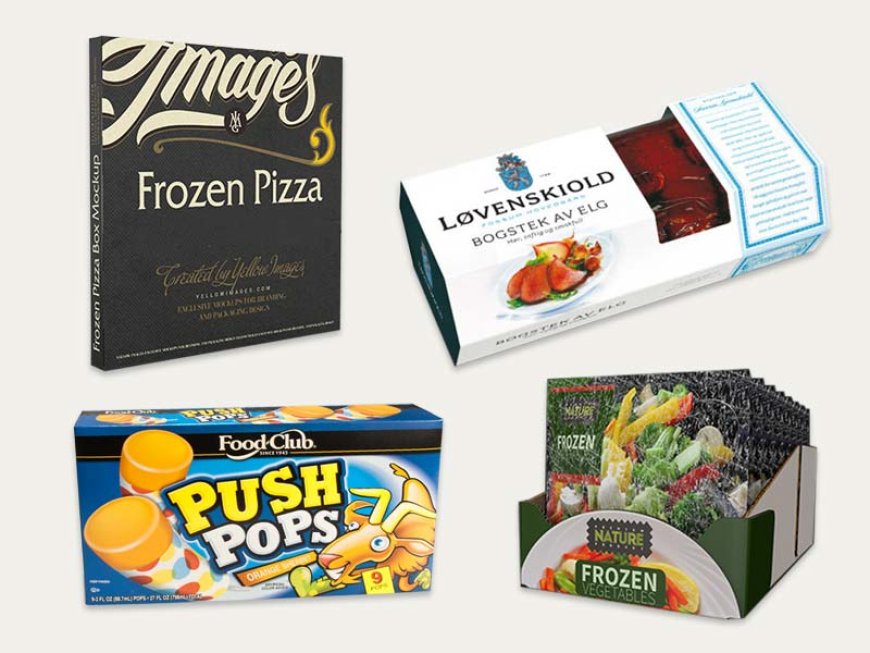
Branding in frozen food means more than a logo or name printed on a pack. Branding shows buyers what to expect from a product, how the product may taste and whether the product feels safe to eat. Frozen food brands compete in freezers where many products look similar. A clear brand builds trust, encourages repeat buying and makes the product recognizable among many options. Branding communicates value and focus. Some brands target family food, others target quick snacks.
Why Do Consumers Judge Frozen Food by Its Look?
Most buyers make frozen food choices quickly while scanning freezers. Since frozen food inside cannot be seen, the outside appearance becomes the main factor. Colors, images and text create a first impression. A dull or confusing pack makes buyers skip the product. A clear, organized pack shows safety and care in handling. Visual cues suggest quality and freshness even for frozen food. Buyers often remember packaging appearance more than taste after the first try. Packaging consistency builds trust over time. Consumers rely on simple design, readable labels and clear images to make decisions fast. Good packaging communicates the product's value before opening the pack.
How Has a Busy Lifestyle Changed Frozen Food Buying Habits?
People spend more time working and less time cooking. Busy routines create demand for frozen food that saves time. Buyers prefer products they recognize and can prepare quickly. Familiar brands reduce mental effort during shopping. Clear labels and easy-to-read packs make selection simple. Repeat purchase happens when buyers find trusted brands in freezers often. A parent may choose the same frozen food weekly due to clear packaging and a familiar brand presence. Daily habits build loyalty for frozen food brands. Strong branding connects convenience and reliability, helping products stay relevant in routines. Trusted brands grow naturally through repeated use.
What Role Does Trust Play in Frozen Food Branding?
Trust determines long-term sales in the frozen food market. Buyers want assurance about product safety, quality and handling. Consistent branding communicates reliability. Readable labels and transparent information increase confidence. Buyers prefer brands with a familiar design and a known identity. Confusing messages reduce trust and lead to one-time purchases. An honest presentation builds relationships between the buyer and the product. Over time, trust turns into loyalty with buyers recommending brands to others. Trust influences repeat sales, supporting gradual growth. Branding functions as a silent communication tool, showing credibility. Strong trust-based branding helps frozen food brands grow without advertising or promotions.
How Do Colors and Design Affect Frozen Food Choices?
Colors influence buyers faster than text. Bright or clear colors catch attention in freezers. Warm colors suggest comfort food, while cool colors suggest freshness. Design layout affects ease of understanding cooking instructions, ingredients and flavors. Crowded design creates confusion and hesitation. Simple layouts guide buyers toward purchase decisions efficiently. Over time, clear design creates memories of brand identity. Buyers may return due to recognition rather than active choice. Packaging design combines communication, safety, and clarity. Careful design strengthens brand presence and supports growth. Visual identity builds a connection between the buyer and the product in the competitive frozen food market.
Why Is Brand Consistency Important for Frozen Products?
Consistency makes frozen food products recognizable without reading brand name. Colors, fonts and layout remaining uniform create familiarity. Familiarity reduces buyer hesitation and builds confidence. In fast-paced shopping, consistent appearance attracts repeat purchase. Frequent changes confuse buyers and reduce loyalty. Consistency across product lines signals stability and reliability. Buyers recognize familiar packaging from one store to another. Long-term recognition drives growth, turning occasional buyers into regular customers. Brands that maintain uniform presentation benefit from memory-based influence. Consistency reduces uncertainty and strengthens brand identity. Clear and uniform branding increases credibility in the frozen food industry.
How Does Packaging Support Food Safety and Brand Image?
Packaging holds and protects frozen food from damage. Strong, properly sealed packs prevent spoilage and maintain quality. Secure packaging communicates reliability to buyers. Confidence in packaging translates to confidence in the product. Packaging also communicates brand values and identity. Clear labeling, readable instructions and sturdy pack design support trust. Businesses use frozen food boxes to protect products while showing brand presence. Safe, clear packaging encourages repeat purchase, supports shelf life, and helps frozen food brands grow by showing care for buyers and product integrity.
Why Are Retail Shelves a Branding Battlefield?
Frozen food shelves have many competing products. Clear branding attracts attention in crowded spaces. Recognizable colors, fonts and layouts help products stand out. Buyers often choose familiar designs over unknown products. Visual identity communicates reliability and purpose silently. Shelf placement and appearance influence selection. Packaging must speak clearly without interaction. Strong visual branding ensures the product remains visible and memorable. Retail success depends on immediate recognition and trust. Branding creates advantage for products competing in a crowded market. Clear identity helps buyers make choices quickly, supporting growth and repeat purchase for frozen food brands.
How Do Brands Use Packaging to Enter New Markets?
When brands expand into new regions, packaging introduces products to new buyers. Clear, understandable design reduces confusion in different markets. In Canada, buyers prefer packaging that shows product purpose, preparation and content at glance. Brands use custom food boxes to adjust size, fonts and presentation for regional preferences. Packaging communicates reliability, identity and values to new buyers. Flexible packaging supports growth and helps frozen food brands enter new markets successfully.
Why Is Smart Packaging a Long-Term Growth Tool?
Smart packaging supports branding, trust, and product protection. Proper packaging ensures long shelf life and reduces risk of damage or spoilage. Strong, clear packs communicate quality and reliability. Packaging consistency builds recognition in buyers minds. Packaging that adapts to markets supports expansion.
Clear labeling, readable instructions, and durable design reinforce brand identity. Partnering with companies like Packlim ensures packaging quality meets brand promise. Packaging communicates values silently, influencing repeat purchase. Products become a familiar part of daily routines. Strategic packaging decisions support long-term growth, helping frozen food brands retain buyers, reduce returns, and strengthen trust. Strong packaging works as a tool for steady brand development.