








How Ducab Supports Infrastructure Resilience During Extreme Weather
Explore Ducab's role in engineering highly resilient, specialized cables designed to withstand extreme heat, sandstorms, and coastal corrosion to protect critical infrastructure.

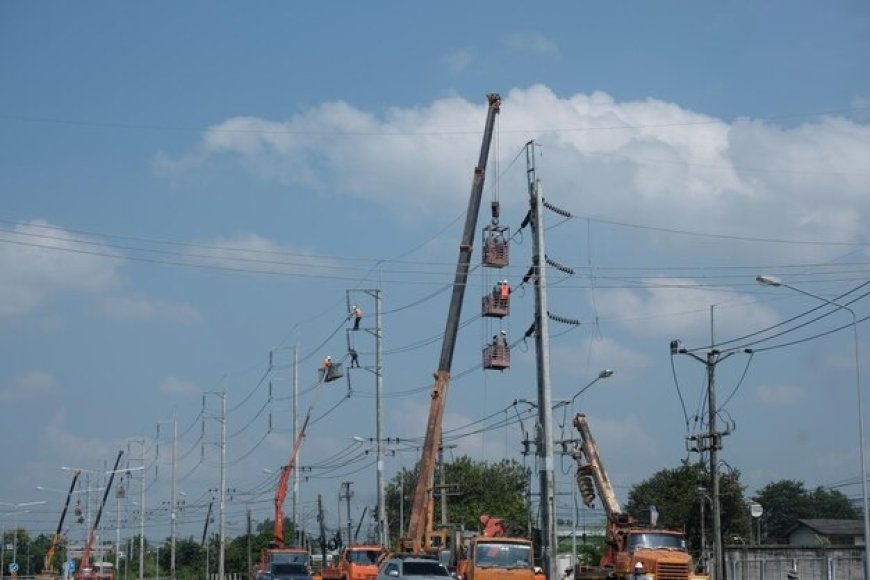
In the Middle East and globally, critical infrastructurepower grids, hospitals, and communication networksis under increasing threat from extreme weather events. In the GCC region, this means battling intense heat, abrasive sandstorms, and corrosive coastal humidity. Infrastructure resilience is paramount, and the quality of the unseen electrical arteriesthe cablesis often the difference between continuous operation and catastrophic failure. Ducab, as a regional leader, supports this resilience by engineering highly specialized cable systems built to withstand the worst that the environment can deliver.
1. Battling the Thermal Enemy: Extreme Heat
The primary challenge in the GCC region is temperature. Extreme ambient heat accelerates the aging of cable insulation and reduces the cable's current-carrying capacity (ampacity).
-
High Thermal Endurance: Ducab cables use advanced XLPE (Cross-Linked Polyethylene) insulation formulated to maintain structural integrity and dielectric strength at sustained high operating temperatures. This ensures the cable's lifespan is not prematurely shortened by constant thermal stress.
-
Optimized Ampacity: Knowing that hot desert soil is poor at dissipating heat, Ducab manufactures cables with optimized conductors to safely carry the required load under the worst-case thermal scenarios, minimizing the risk of IR losses and overheating. This high-capacity, thermally efficient design is a hallmark of cable manufacturers in uae.
2. Protecting Against Coastal and Chemical Corrosion
For coastal power plants, ports, and offshore facilities, corrosion is a relentless threat.
-
Moisture and Saltwater Barriers: Cables are engineered with specialized sheathing compounds that provide superior resistance to saltwater and high humidity, preventing moisture ingress that can lead to conductor corrosion and insulation breakdown.
-
Chemical Resistance: In industrial zones, cables are designed with PUR or high-grade CPE jackets that resist chemicals and oils, ensuring the cable's integrity in potentially hazardous environments.
3. Sand, Sun, and Physical Abrasion
Desert conditions involve intense UV radiation and abrasive sandstorms that threaten exposed cables.
-
UV and Abrasion Resistance: Outer jackets are compounded with specialized UV stabilizers and highly durable polymers to resist sunlight degradation and the abrasive forces of wind-blown sand.
-
Physical Protection: For critical power feeders, robust armoring is integrated into the cable design to protect against external physical damage and ensure mechanical resilience.
4. Supporting Life Safety Systems
Resilience during an incident (like a fire) is crucial. Ducab's life-safety cables ensure critical systems remain functional.
-
Fire Survival Cables: These cables, often incorporating Mica tape technology, maintain circuit integrity during a fire, powering essential systems like emergency alarms and ventilation.
-
LSZH Compliance: The use of LSZH (Low-Smoke, Zero-Halogen) compounds minimizes smoke and toxic gas release, ensuring occupants can safely evacuate and reducing damage to critical electronic infrastructure. This commitment to superior materials is upheld by working with trusted quality cable suppliers in uae.
Conclusion: Engineering for Longevity and Trust
Ducab's commitment to infrastructure resilience is demonstrated through the engineering of highly specialized cables that exceed standard requirements. By prioritizing thermal endurance, chemical resistance, and physical durability, the company ensures that power and data remain uninterrupted, even when faced with the extreme environmental conditions prevalent in the GCC region. This specialized capability is vital to maintaining operational continuity and security for the nation's critical assets.
Your Infrastructure Resilience Questions Answered (FAQs)
-
How does extreme heat affect a cable's ability to carry power?
Extreme heat reduces a cable's ability to dissipate the heat it generates. This forces utilities to "de-rate" the cable, meaning it can safely carry less current (ampacity) than its nominal rating, reducing the grid's effective capacity. -
What material is crucial for protecting cables from UV radiation?
Specialized UV stabilizers, often combined with carbon black, are compounded into the outer polymer jacket. This prevents the UV rays from degrading the plastic, which would otherwise lead to cracking and brittleness over time. -
What is the purpose of a cable's armor in a coastal environment?
The armor (usually steel wire or tape) protects the internal components from mechanical damage (e.g., impact, crushing) and provides an added barrier against penetration by corrosive saltwater and chemicals. -
How do Ducabs cables support resilience during a fire?
Ducab provides Fire-Resistant cables (often with Mica technology) that maintain electrical continuity during a blaze. This ensures critical circuits for emergency lighting, fire alarms, and ventilation systems remain functional for safe evacuation. -
How does cable quality impact the long-term cost of infrastructure?
Investing in high-quality, highly resilient cables ensures a much longer operational lifespan (40-50 years). This reduces the frequency of costly emergency repairs and replacement cycles, lowering the total cost of ownership for utility providers.