










How Does Container Office Design Improve On-Site Management?
Explore how container office design improves on-site management through better coordination, flexible layouts, and efficient site operations.

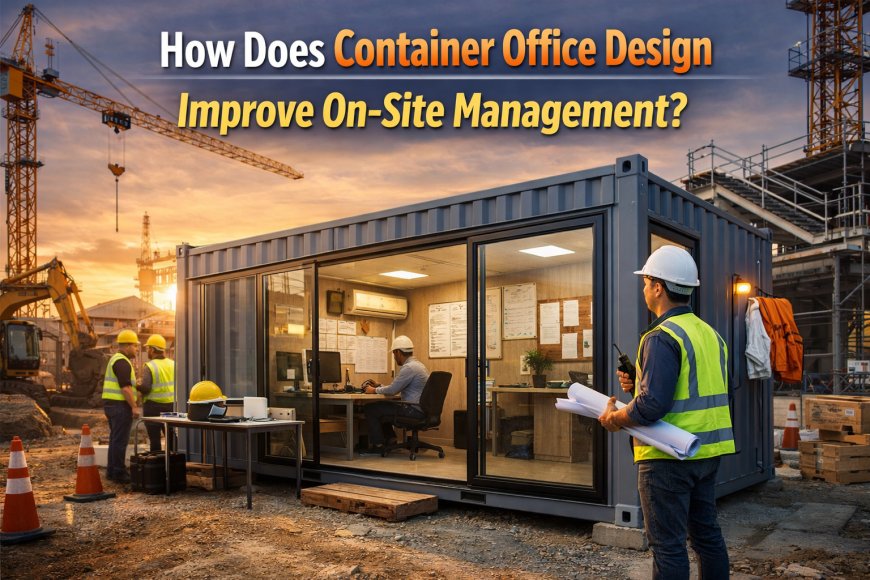
On-site management plays a critical role in the success of construction projects, infrastructure developments, industrial operations, and temporary commercial setups. Managing people, processes, safety, communication, and documentation directly from the site demands a workspace that is functional, adaptable, and efficient. In recent years, Container Office Design has emerged as a practical solution that significantly enhances on-site management by addressing these needs with flexibility and precision.
Unlike traditional site offices that require lengthy construction timelines and high costs, container-based office spaces provide an organized, scalable, and modern working environment. These structures support better coordination, improved supervision, and smoother daily operationskey factors that define successful on-site management.
This article explores how Container Design contributes to better on-site control, productivity, communication, and operational efficiency while aligning with modern workplace expectations.
Understanding the Role of On-Site Management
On-site management involves overseeing daily site activities, coordinating teams, ensuring safety compliance, managing schedules, and maintaining clear communication between stakeholders. Site managers and supervisors require a workspace that allows them to make decisions quickly, access documentation easily, and respond to challenges in real time.
Traditional on-site offices often fall short due to space constraints, lack of mobility, or inefficient layouts. In contrast, container-based offices are specifically designed to function effectively in demanding site conditions, making them highly suitable for dynamic project environments.
Why Container Office Design Is Ideal for On-Site Operations
Container Office offers a unique combination of durability, adaptability, and efficiency. These offices are created using modular structures that can be transported, installed, and customized with ease. This flexibility makes them particularly effective in environments where timelines are tight and site conditions frequently change.
Key advantages include:
-
Quick installation without major groundwork
-
Ability to relocate as the project progresses
-
Optimized layouts for supervision and coordination
-
Improved comfort for long working hours
These features collectively enhance the effectiveness of on-site management.
Enhancing Operational Control Through Smart Layouts
A well-planned office layout is essential for managing site operations efficiently. Office Design focuses on creating functional spaces that support clear workflows and easy access to critical areas.
Dedicated zones can be created for:
-
Site supervision
-
Team meetings
-
Documentation and planning
-
Safety briefings
Clear separation of functions reduces distractions and improves focus. Managers can oversee activities more effectively when the office layout supports structured operations rather than forcing adaptation to unsuitable spaces.
Improving Communication and Coordination
Effective communication is the backbone of strong on-site management. Container offices provide centralized locations where supervisors, engineers, and project coordinators can meet, discuss progress, and resolve issues quickly.
By positioning container offices strategically within the site:
-
Managers remain closer to daily operations
-
Communication gaps between teams are minimized
-
Instructions and updates are delivered faster
This proximity reduces delays and misunderstandings, helping projects stay on schedule.
Supporting Real-Time Decision-Making
On-site managers often need to make immediate decisions based on changing conditions. Office Design supports this requirement by offering workspaces equipped for planning, monitoring, and reporting.
These offices can be designed to accommodate:
-
Project planning boards
-
Digital tools for tracking progress
-
Secure storage for site documents
Having all essential resources available on-site allows managers to respond promptly to issues without leaving the work area, improving efficiency and accountability.
Enhancing Workforce Supervision
Supervising teams effectively requires visibility and accessibility. Container offices can be placed at vantage points within the site, allowing managers to observe activities while remaining accessible to workers.
This setup:
-
Encourages proactive supervision
-
Reduces response time to site issues
-
Strengthens leadership presence
Improved supervision leads to better adherence to schedules, quality standards, and safety protocols.
Boosting Productivity Through Comfortable Workspaces
Productivity is closely linked to the working environment. Poorly designed site offices can cause discomfort, fatigue, and inefficiency. Container Office prioritizes ergonomic planning and comfort, even in temporary setups.
Features that enhance productivity include:
-
Proper ventilation and lighting
-
Noise insulation from site activities
-
Climate control options
-
Organized interiors
A comfortable workspace enables managers to remain focused and productive throughout long workdays.
Strengthening Safety Management on Site
Safety is a top priority in on-site operations. Container offices provide a controlled environment for managing safety procedures, documentation, and training.
They support:
-
Storage of safety manuals and compliance records
-
Conducting safety briefings and inductions
-
Monitoring site safety performance
By centralizing safety management, container offices help ensure consistent enforcement of safety standards, reducing the risk of accidents and disruptions.
Streamlining Administrative Tasks
On-site management involves a significant amount of administrative work, including reporting, approvals, and coordination with external stakeholders. Office Design allows these tasks to be handled efficiently without interfering with operational activities.
Dedicated administrative spaces help:
-
Maintain organized documentation
-
Ensure data confidentiality
-
Improve reporting accuracy
This structured approach reduces errors and saves time, allowing managers to focus more on strategic decision-making.
Supporting Scalability and Project Growth
Projects often evolve, requiring additional personnel or expanded management functions. One of the strongest advantages of Container Office is its scalability.
Additional units can be added to:
-
Accommodate growing teams
-
Create new meeting or planning rooms
-
Expand storage or administrative areas
This adaptability ensures that on-site management remains efficient even as project requirements change.
Improving Mobility and Site Flexibility
Traditional site offices are fixed structures, limiting flexibility. Container offices, on the other hand, can be relocated easily as project zones shift.
This mobility:
-
Keeps management offices close to active work areas
-
Reduces travel time within large sites
-
Enhances responsiveness to site developments
By staying connected to core operations, managers maintain better control and oversight.
Encouraging Organized Workflow and Discipline
An organized workspace promotes disciplined working practices. Container Office Design emphasizes clean layouts, defined workstations, and efficient storage solutions.
This organization:
-
Reduces clutter and confusion
-
Improves time management
-
Enhances professionalism on-site
A disciplined working environment positively influences team behavior and overall project execution.
Supporting Technology Integration
Modern on-site management relies heavily on digital tools for monitoring progress, communication, and reporting. Container offices can be designed to support technological integration without complexity.
They allow:
-
Installation of power and data systems
-
Use of monitoring and planning tools
-
Secure digital communication setups
This integration ensures that on-site management aligns with modern operational standards.
Reducing Downtime and Delays
Efficient on-site management directly impacts project timelines. Office Design reduces downtime by enabling faster setup, streamlined coordination, and quicker issue resolution.
With fewer interruptions:
-
Workflows remain consistent
-
Decision-making accelerates
-
Delays caused by poor infrastructure are minimized
This efficiency translates into better project outcomes.
Promoting Professional Site Presence
A well-designed container office enhances the professional image of a site. This perception matters when coordinating with external teams, inspectors, or stakeholders.
A professional workspace:
-
Builds confidence in site management
-
Encourages accountability
-
Reflects organized project execution
Strong site presence supports smoother collaboration and compliance processes.
Supporting Long-Term and Short-Term Projects
Whether for short-term deployments or long-term operations, Container Design adapts seamlessly. These offices can be reused, relocated, or reconfigured based on future needs.
This versatility:
-
Maximizes resource utilization
-
Reduces unnecessary infrastructure investments
-
Supports sustainable operational planning
Such flexibility strengthens long-term on-site management strategies.
Aligning with Sustainable Site Practices
Sustainability is becoming increasingly important in project planning. Container offices support sustainable practices by minimizing material waste and optimizing space usage.
Sustainable benefits include:
-
Reduced site disruption
-
Efficient use of modular structures
-
Lower environmental impact compared to traditional builds
Sustainable design aligns with responsible site management principles.
Improving Team Morale and Engagement
A well-organized on-site office contributes positively to team morale. When managers operate from comfortable and efficient spaces, it sets a positive tone for the entire workforce.
Improved morale leads to:
-
Better communication
-
Higher engagement levels
-
Stronger teamwork
This positive environment enhances overall site performance.
Conclusion
Office design plays a crucial role in improving on-site management by providing adaptable, efficient, and well-organized workspaces tailored to dynamic site environments. From enhancing communication and supervision to supporting safety, administration, and informed decision-making, container-based offices effectively address the core challenges faced by on-site managers.
Their flexibility, scalability, and functional planning make them a practical solution for modern project management needs. By enabling better operational control, reducing delays, and improving overall productivity, these workspaces help ensure that on-site operations run smoothly and efficiently across different project stages.
As project environments continue to demand agility and efficiency, Container Office Design, supported by the growing adoption of Container Conversion in Dubai, stands out as a reliable and forward-thinking approach to strengthening on-site management and achieving successful project outcomes.