









How Do High-Efficiency Heat Exchangers Cut Energy Waste in Your Plant?
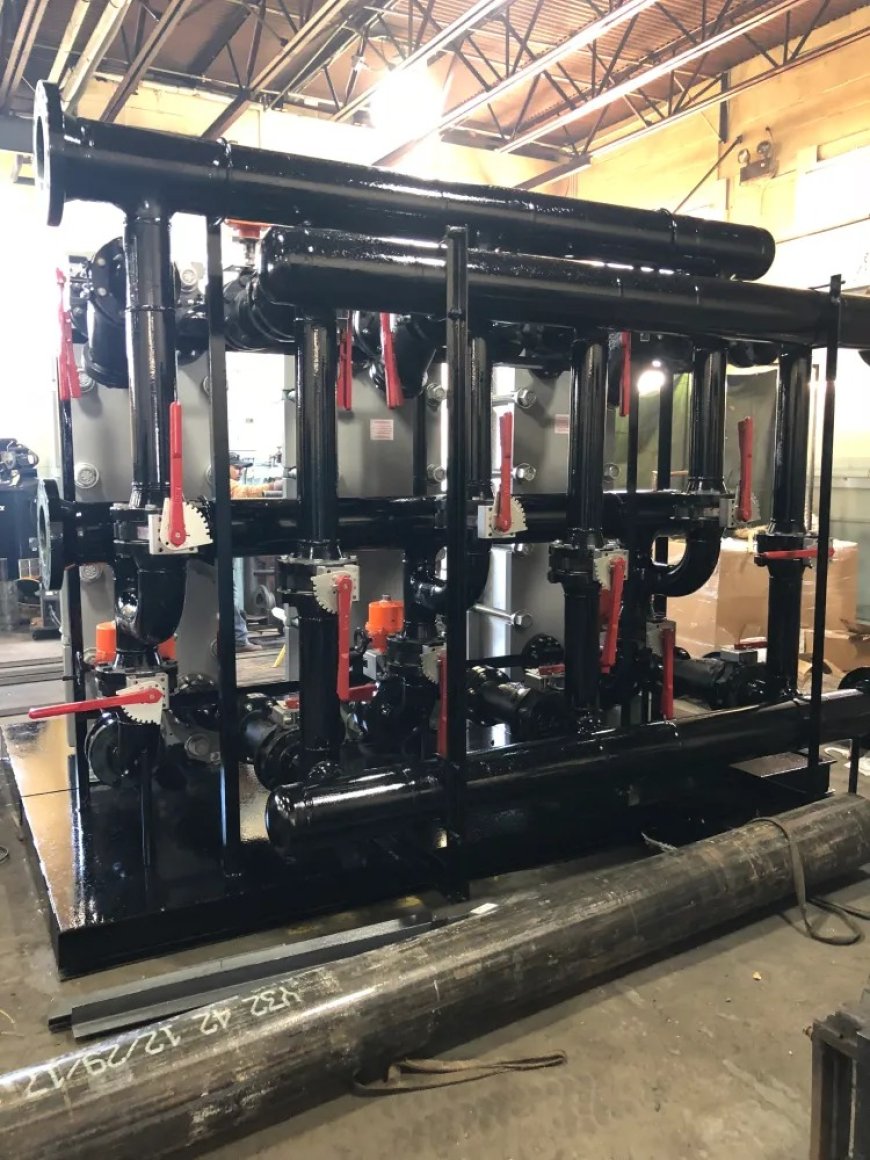
Industrial plants often lose a lot of energy through heat that is not used. High-efficiency heat exchangers in Long Island are made to capture and reuse that energy, turning what would be wasted heat into useful power. By moving heat from one part of a process to another, these systems lower fuel use, keep operations steady, and improve overall plant performance. Plants that use these systems usually save on operating costs, keep equipment working longer, and maintain consistent process results. Knowing how they work helps managers make smart choices about energy use and equipment investments.
How Optimized Heat Flow Saves Energy
High-efficiency heat exchangers transfer heat between fluids more effectively than traditional systems. Old systems can lose energy because fluids do not move efficiently. Advanced designs increase contact between hot and cold fluids, so more energy is recovered instead of being wasted.
For instance, in a steam process, the heat from exhaust steam can be used to preheat feedwater. This means the boiler needs less fuel, and energy is not wasted. The result is lower fuel costs and more stable temperatures for the process.
In some manufacturing plants, even a small improvement in heat recovery can save thousands of dollars a year. Plants that track energy recovery rates can measure the difference high-efficiency units make. These savings accumulate over time and justify the investment in advanced heat exchangers.
Reducing Stress on Boilers and Heaters
When heat is reused efficiently, boilers and heaters do not have to work as hard. This saves fuel and reduces wear on important equipment.
Consistent heat transfer also prevents sudden temperature spikes or drops. These sudden changes can damage equipment or affect product quality. Plants run more smoothly and avoid expensive repairs caused by thermal stress.
For example, a facility producing liquids at precise temperatures benefits from stable heating. Without proper heat recovery, boilers cycle on and off more frequently, which increases fuel costs and causes more wear. High-efficiency units reduce these cycles, keeping the system steady and equipment in better condition.
Small Design, Big Impact
Modern high-efficiency units are small and easy to install. Pumps, heat exchangers, and controls are built together in a single unit. This saves space, makes installation faster, and keeps maintenance simple.
Compact design also reduces the distance fluids must travel, which lowers energy loss and improves efficiency. Plants get better heat recovery without needing a lot of extra space, which is important where floor space is limited.
In addition, modular designs allow facilities to scale operations by adding units as demand increases. This flexibility makes it easier for plants to grow without disrupting existing operations.
Protecting Equipment and Making It Last Longer
High-efficiency heat exchangers keep temperatures steady across the plant. This reduces stress on boilers, pipes, and other machines. Less stress means fewer breakdowns and lower maintenance costs over time.
Reliable systems give plant managers confidence that production will not stop due to equipment failure. The system keeps heat recovery and fluid flow working efficiently for years.
Some units are designed to resist corrosion and scaling, which extends equipment life even further. This ensures consistent operation in harsh industrial conditions without frequent maintenance.
Smart Monitoring for Better Performance
Many modern units have sensors and automated controls. These tools check temperature, pressure, and flow in real time. Operators can make changes quickly to keep the system working well.
Automation ensures the unit works at peak efficiency, recovers the most heat, and avoids waste. Data from sensors also helps plan maintenance and spot potential problems before they cause delays.
For example, if a sensor detects a drop in heat transfer efficiency, operators can clean or adjust the system immediately. This proactive approach prevents energy loss and reduces unexpected downtime.
Flexible for Any Plant Size
High-efficiency heat exchangers can fit small or large plants. Small plants may use a single unit, while bigger plants can use several units for high-volume operations.
This flexibility makes sure the system is the right size for the plants needs. It avoids overspending while maximizing energy savings. Custom setups can also be expanded later without major downtime or redesign.
Plants with multiple production lines benefit most, as heat recovery can be applied selectively to high-demand areas. This targeted approach ensures maximum efficiency and cost savings.
Wind Up:
Investing in high-quality Swedish-designed heat exchangers is a smart way to reduce energy waste, lower costs, and improve plant performance. These units transfer heat efficiently, keep operations steady, and protect important equipment. Take action today: check your plants energy use and consider using high-efficiency heat exchangers. A good system ensures reliable performance, measurable savings, and long-term success for your facility. Choosing the right system also reduces operational problems, extends equipment life, and maintains consistent production quality.