









How Anodised Aluminium Sections Improve Strength and Corrosion Resistance

Aluminium is one of the most versatile and widely used metals in modern industry. Its combination of light weight, workability, and strength makes it a go-to material for countless applications, from architectural frameworks and automotive components to electronics and consumer goods. However, even with these impressive natural properties, aluminiums surface can be vulnerable to corrosion and wear over time. This is where anodised aluminium sections come into play, offering enhanced performance through a durable, protective surface layer.
In this article, well explore what anodised aluminium sections are, how the anodising process works, why it improves strength and corrosion resistance, and the practical benefits it delivers across industries. Well also touch on considerations for choosing anodised aluminium solutions and conclude with real-world applications and supplier insights.
What Are Anodised Aluminium Sections?
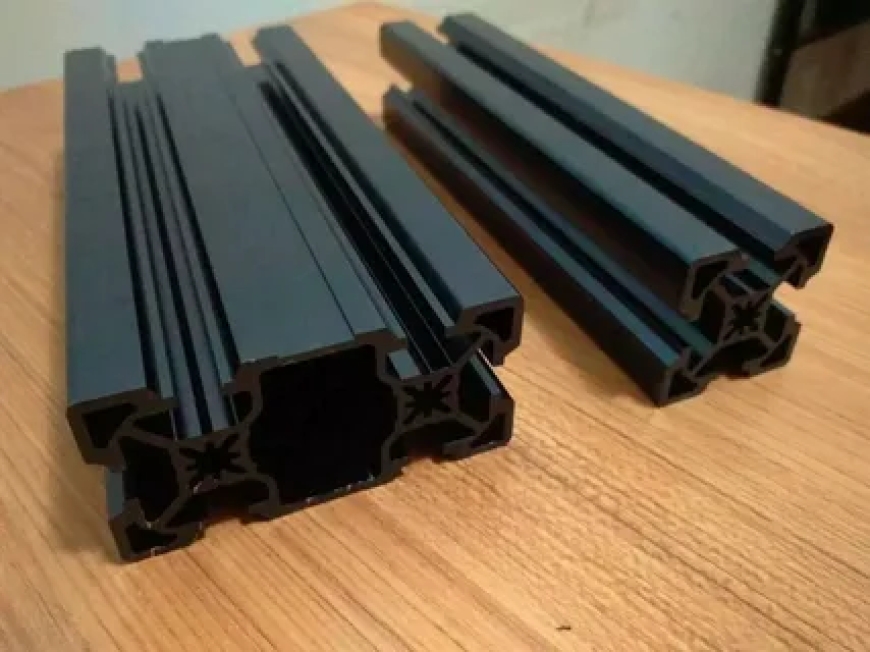
Anodised aluminium sections are aluminium profiles that have undergone an electrochemical surface treatment called anodising. Unlike paint or plating, anodising transforms the metal surface itself to create a protective oxide layer. This outer layer bonds with the aluminium at a molecular level, increasing durability while retaining the alloys lightweight nature.
The result is an aluminium section with improved resistance to corrosion, abrasion, and wear, along with aesthetic and functional advantages such as color finishes and improved adhesion for further coatings.
How Does the Anodising Process Work?
Understanding the anodising process helps explain why it enhances both strength and longevity:
-
Cleaning and Pre-Treatment:
The aluminium profiles are thoroughly cleaned to remove contaminants, oils, and residues that could interfere with the oxide layer formation. -
Electrochemical Oxidation:
The aluminium is submerged in an electrolytic bath, often sulfuric acid, and an electrical current is passed through it. The aluminium serves as the anode (positive electrode), and oxygen atoms combine with the surface to build up an oxide layer. This is the anodic film that gives the process its name. -
Sealing:
After anodising, the porous oxide layer is sealed to enhance corrosion resistance and lock in any dyes if color finishes are applied.
This engineered surface is not a coating, it is part of the aluminium structure, which is why it resists chipping, peeling, or flaking like surface paints might.
Why Anodising Enhances Strength
While anodising primarily improves surface hardness and resistance to wear and corrosion, the treatment also contributes to mechanical performance in several ways:
1. Increased Surface Hardness
The oxide layer formed during anodising is significantly harder than untreated aluminium. This improves the materials resistance to scratches, abrasion, and surface deformationkey factors in applications where impact resistance or surface durability is critical.
2. Structural Integrity
Although anodising doesnt dramatically increase the core tensile strength of the aluminium alloy, it protects the structural integrity by preventing surface degradation. When aluminium corrodes or pits, its effective load-bearing capacity decreases. Anodised aluminium sections maintain surface condition longer, indirectly preserving overall strength under load.
3. Fatigue Resistance
Repeated stress cycles can weaken metals over time. By limiting surface imperfections and corrosion, the anodised layer reduces stress concentrators that often initiate fatigue cracks. This has significant value in dynamic environments like automotive components and structural systems.
How Anodised Aluminium Sections Boost Corrosion Resistance
Corrosion is the natural enemy of metal longevity. Aluminium forms a thin, natural oxide layer when exposed to air, but this passive film can be thin and inconsistent. Anodising deliberately builds a much thicker, uniform oxide layer with superior protective qualities:
1. Barrier Protection
The anodised layer reacts with oxygen to form aluminium oxide (Al?O?), a stable, non-reactive compound that shields the underlying metal from further oxidation and chemical attack.
2. Resistance to Harsh Environments
Anodised aluminium performs exceptionally well in environments exposed to moisture, salt spray, industrial chemicals, and urban pollutants. This makes anodised aluminium sections ideal for outdoor architectural applications and coastal installations where corrosion risks are high.
3. Chemical Stability
The anodic oxide resists many acids and alkalis, enhancing performance in industrial settings where exposure to corrosive agents might be expected.
Aesthetic Benefits of Anodised Aluminium
In addition to physical performance improvements, anodised aluminium sections offer superior visual and design advantages:
1. Color Consistency
The porous anodic layer can be dyed in a wide range of colors before sealing. This offers long-lasting, fade-resistant finishes that outperform surface paints.
2. Low Maintenance
Unlike paints and coatings that may peel or require regular sanding and repainting, anodised finishes maintain their appearance with minimal upkeep.
3. Architectural Versatility
Anodised aluminiums clean lines and color options make it a popular choice in modern facades, curtain walls, window frames, structural accents, signage, and interior design elements.
Design Considerations When Selecting Anodised Aluminium Sections
When specifying anodised aluminium, consider the following:
1. Alloy Type
Different aluminium alloys respond better to anodising. Common structural alloys like 6061 and 6063 anodise well and are widely used in architectural and industrial profiles.
2. Thickness of Anodic Layer
Specified in microns, thicker anodised layers offer improved corrosion resistance and wear tolerance. Typical architectural applications might use 1025 microns, while harsher environments often warrant thicker layers.
3. Color & Finish
Anodised finishes range from clear (natural aluminium look) to black, bronze, champagne, or custom hues. Sealing methods also affect gloss level and final appearance.
4. Environmental Exposure
Consider factors like UV exposure, humidity, salt air, and industrial pollutants when choosing treatment specifications.
Installation and Long-Term Care
One of anodised aluminiums major benefits is ease of maintenance. Simple cleaning with mild detergent and water restores surface clarity without harsh abrasives. Because the finish is integral to the metal surface, theres no risk of flaking or blistering.
Proper installation also ensures that end-use performance matches expectations. Compatible fasteners, correct sealing practices, and appropriate design clearances help avoid galvanic corrosion in mixed-metal assemblies.
Conclusion
Anodised aluminium sections represent a smart choice wherever enhanced strength, corrosion resistance, and lasting appearance are important. The anodising process not only delivers a tough, wear-resistant surface but also unlocks design flexibility and long-term durability across architectural, industrial, and commercial applications. From coastal environments and high-traffic infrastructure to consumer products and precision engineering, anodised aluminium continues to set the standard for performance and reliability.
For those seeking high-quality anodised aluminium solutions crafted for both performance and aesthetic appeal, JM Aluminium is a trusted provider. Their range of anodised profiles offers superior corrosion resistance, customizable finishes, and dependable structural integrity that meets demanding project requirements.