










Hardwood Polish: How to Refresh Timber Without Damaging It

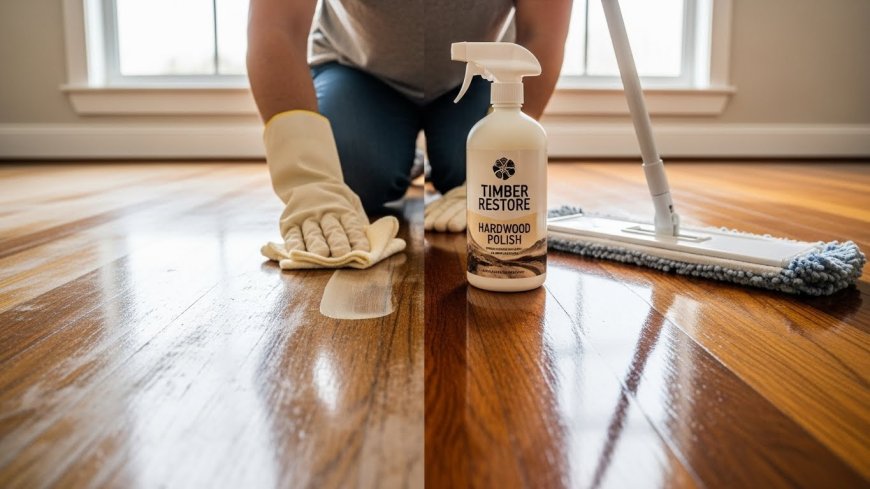
Hardwood Polish: How to Refresh Timber Without Damaging It
Hardwood floors add warmth, value, and character to any space, but over time they can lose their natural shine. Daily foot traffic, dust, sunlight, and improper cleaning slowly wear down the surface. Hardwood floor polishing and refresh is the safest way to restore the look of timber floors without sanding or causing damage. When done correctly, polishing improves appearance, protects the wood, and extends the life of the floor while supporting proper floor cleaning routines.
This guide explains how to refresh timber floors safely, what mistakes to avoid, and when professional help is the smarter option.
Why Hardwood Floors Lose Their Shine Over Time
Timber floors are durable, but they are not maintenance-free. Dirt and grit act like sandpaper, slowly scratching the surface finish. Sun exposure can fade timber, while moisture from spills or incorrect mopping weakens the protective layer. In many homes and commercial spaces, floors are cleaned regularly but not correctly, which strips polish instead of protecting it.
Over time, the finish becomes dull, patchy, or dry-looking even though the wood underneath is still in good condition. This is where hardwood floor polishing and refresh becomes important. It restores the protective layer without aggressive treatments like sanding.
Polishing vs Sanding: Understanding the Difference
One of the most common mistakes people make is thinking polishing and sanding are the same. They are not.
Polishing is a surface-level treatment that refreshes the existing protective coating. It enhances shine, reduces minor scratches, and improves resistance to wear. Sanding, on the other hand, removes the top layer of timber entirely and should only be done when floors are deeply damaged.
If your timber floors are dull but not gouged or warped, polishing is the safest and most cost-effective solution. It keeps the timber intact while improving appearance and durability.
Safe Floor Cleaning Before Polishing (Why Preparation Matters)
Before any polish is applied, proper floor cleaning is essential. Polishing over dirt, grease, or residue traps contaminants under the finish, leading to streaks, peeling, or uneven shine.
The process starts with dry dust removal using a microfiber mop to lift fine particles from the wood grain. This is followed by low-moisture cleaning with a timber-safe solution designed for hardwood floor cleaning. Excess water must always be avoided, as moisture can seep into timber boards and cause swelling or cupping.
This preparation step is critical. Clean floors allow polish to bond properly, resulting in a smoother, longer-lasting refresh.
Choosing the Right Polish for Timber Floors
Not all polishes are suitable for hardwood. Using the wrong product is one of the fastest ways to damage timber floors.
Water-based polishes are commonly recommended because they are low-odour, quick-drying, and gentle on timber. Oil-based products can enhance colour but must be used carefully, especially on sealed floors. Some polishes are designed specifically for matte finishes, while others enhance gloss.
The type of timber, existing finish, and level of foot traffic all influence product choice. Always follow manufacturer instructions and test a small area first to ensure compatibility with your floors protective finish layer.
How Professionals Refresh Hardwood Floors Safely
Professional hardwood floor polishing and refresh involves specialised equipment and controlled techniques. High-speed buffing machines are used to evenly distribute polish and work it into the surface without overheating or damaging the timber.
Professionals understand wood grain direction, finish thickness, and drying conditions. They also use commercial-grade products that provide longer-lasting protection than most DIY solutions. This approach improves slip resistance, enhances shine, and protects against future wear.
For commercial timber flooring or high-traffic residential areas, professional polishing delivers consistent results that standard home methods cannot match.
Common Mistakes That Damage Timber Floors
Many timber floors are damaged unintentionally through poor maintenance habits. Using excessive water is one of the biggest issues, as timber absorbs moisture easily. Harsh chemicals, steam mops, and abrasive pads also strip protective coatings.
Another common mistake is over-polishing. Applying polish too frequently causes buildup, making floors sticky or cloudy. Timber floors need balanceregular cleaning, periodic polishing, and correct products.
Understanding these risks helps maintain timber floors long-term and avoids unnecessary repairs or sanding.
How Often Should Hardwood Floors Be Polished?
The frequency of polishing depends on usage. In homes, hardwood floors typically need polishing every 6 to 12 months. In commercial environments with heavy foot traffic, polishing may be required every 3 to 6 months.
Regular inspections help determine the right timing. When water no longer beads on the surface or the floor looks dull despite cleaning, its time for a refresh. Polishing at the right time protects the timber and delays costly restoration work.
When DIY Is Safe and When to Call a Professional
DIY polishing can work for small, lightly used areas when the correct products and tools are used. Always follow safety guidance, ensure proper ventilation, and use minimal moisture.
However, large areas, commercial spaces, or floors with uneven wear should be handled by professionals. They assess moisture levels, existing coatings, and surface condition before polishing. Calling an expert reduces risk and ensures the timber is refreshed without damage.
Conclusion
Hardwood floor polishing and refresh is one of the safest ways to restore timber floors without sanding or structural damage. When combined with correct floor cleaning, it improves appearance, protects the surface, and extends the life of the flooring. Understanding the right products, methods, and timing is key to maintaining timber floors properly. While DIY options exist, professional polishing offers longer-lasting results and greater protection, especially in high-traffic spaces. With the right care, timber floors can stay beautiful for many years.
FAQs
1. Can hardwood floors be polished without sanding?
Yes, polishing refreshes the surface finish without removing timber, making it ideal for dull but undamaged floors.
2. Is polishing safe for all timber floors?
Most sealed hardwood floors can be polished, but the product must match the existing finish.
3. How long does hardwood floor polish last?
In residential settings, polish typically lasts 612 months, depending on traffic and maintenance.
4. Can incorrect cleaning damage polished floors?
Yes, excessive water, harsh chemicals, and steam cleaning can break down polish and damage timber.
5. Do polished floors need special cleaning products?
Yes, timber-safe, low-moisture cleaners help maintain the finish and prevent premature wear.