










The Modern Hair Transplant Solutions: A Complete Guide for Men and Women Experiencing Hair Loss
Explore modern hair transplant solutions for men and women, including expert care options in Beverly Hills and Torrance for natural, long-term results.

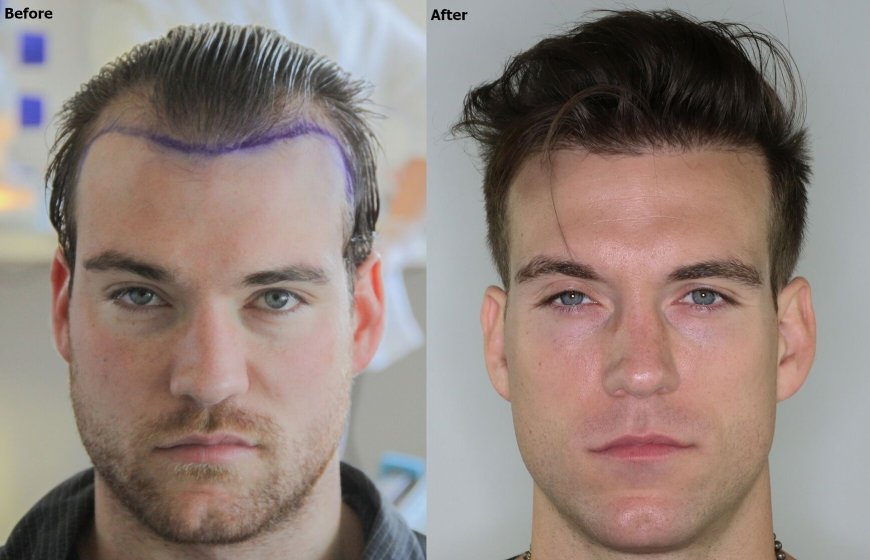
Hair loss affects millions of men and women across different age groups, often impacting confidence, self-image, and emotional well-being. While hair thinning and baldness were once considered inevitable, modern medical advancements have made hair restoration safer, more precise, and more natural than ever before. Today, individuals seeking long-term solutions are turning toward medically supervised hair transplant procedures that deliver permanent and realistic results.
This guide is designed for adults experiencing hair loss who want accurate, medically grounded information before choosing a treatment path. Whether hair loss is genetic, hormonal, stress-related, or caused by medical conditions, understanding available options empowers patients to make informed decisions.
Why Hair Loss Happens: Common Causes Explained
Hair loss rarely occurs without reason. Identifying the underlying cause is the first step toward effective treatment.
Genetic Hair Loss (Androgenetic Alopecia)
This is the most common cause in both men and women. In men, it often presents as a receding hairline or thinning crown. In women, it usually appears as diffuse thinning across the scalp.
Hormonal Changes
Pregnancy, menopause, thyroid disorders, and hormonal imbalances can disrupt hair growth cycles, leading to noticeable shedding.
Medical Conditions and Medications
Autoimmune disorders, scalp infections, chemotherapy, and certain prescription medications can trigger temporary or permanent hair loss.
Lifestyle and Environmental Factors
Chronic stress, nutritional deficiencies, smoking, and poor scalp care may weaken hair follicles over time.
Understanding the cause helps specialists recommend treatments that support long-term success rather than temporary improvement.
When Non-Surgical Treatments Are No Longer Enough
Topical treatments, oral medications, and PRP therapy can slow hair loss or improve hair thickness, but they cannot replace lost follicles. When bald or thinning areas no longer respond to conservative therapies, hair transplantation becomes the most effective solution.
Hair transplants work by relocating healthy follicles from a donor areatypically the back or sides of the scalpto areas affected by hair loss. Because these follicles are genetically resistant to thinning, results are permanent.
Modern Hair Transplant Techniques Explained
Follicular Unit Extraction (FUE)
FUE involves extracting individual follicular units and implanting them into thinning or bald areas. This method leaves minimal scarring, allows faster healing, and produces highly natural results when performed by experienced surgeons.
Follicular Unit Transplantation (FUT)
FUT involves removing a thin strip of scalp from the donor area and harvesting follicles from it. While it can yield a higher number of grafts in one session, it does leave a linear scar, making it less suitable for patients who prefer short hairstyles.
Both techniques are safe and effective when performed by qualified medical professionals. The best choice depends on hair density, scalp condition, lifestyle, and long-term goals.
What Makes a High-Quality Hair Transplant Clinic
Not all hair restoration clinics offer the same level of care. Choosing the right provider is critical for both aesthetic outcomes and medical safety.
Key qualities to look for include:
- Board-certified physicians with hair restoration expertise
- Personalized treatment planning rather than one-size-fits-all approaches
- Advanced surgical tools and sterile operating environments
- Transparent consultations and realistic expectations
- Comprehensive post-procedure care and follow-up
Patients seeking procedures such as beverly hills hair transplant services often prioritize surgical precision, artistic hairline design, and discreet care, while those researching hair transplant torrance options may focus on accessibility, medical credibility, and long-term follow-up. In both cases, quality and physician experience should always outweigh convenience or pricing alone.
The Hair Transplant Journey: Step-by-Step
1. Initial Consultation
A thorough scalp analysis is performed to assess hair loss patterns, donor area strength, and medical history. This stage determines candidacy and sets realistic expectations.
2. Customized Treatment Plan
Each patient receives a tailored plan detailing graft count, technique, hairline design, and estimated timeline.
3. Procedure Day
Hair transplant surgery is typically performed under local anesthesia and can last between 4 to 8 hours depending on graft volume.
4. Recovery Phase
Mild swelling or redness may occur for a few days. Most patients resume normal activities within a week.
5. Hair Growth Timeline
- First 23 months: Temporary shedding (a normal phase)
- 46 months: New hair growth begins
- 912 months: Visible density improvement
- 1218 months: Final results
Natural Results Depend on Surgical Skill
Successful hair transplantation is as much an art as it is a medical procedure. Hair direction, angle, density, and placement must mimic natural growth patterns. Poor technique can result in unnatural spacing or visible grafts, while expert execution produces results that are virtually undetectable.
This is why individuals exploring both beverly hills hair transplant clinics and hair transplant torrance providers are encouraged to review before-and-after results, surgeon credentials, and patient testimonials before making a decision.
Hair Transplants for Women: Breaking the Myths
Hair restoration is not just for men. Women experiencing thinning hair, widened parts, or traction alopecia can benefit significantly from transplant procedures.
Modern techniques allow surgeons to restore density without shaving the entire scalp, making the procedure more discreet and appealing for female patients. Women with stable donor areas and realistic expectations often achieve excellent outcomes.
Long-Term Care After a Hair Transplant
Maintaining results involves more than the procedure itself.
Post-transplant care may include:
- Gentle scalp cleansing routines
- Temporary medication support to protect existing hair
- Nutritional guidance to support follicle health
- Regular follow-ups to monitor growth progress
When combined with healthy lifestyle habits, transplanted hair can last a lifetime.
Psychological Benefits of Hair Restoration
Beyond physical appearance, hair restoration often leads to improved confidence, social comfort, and professional self-assurance. Many patients report feeling more like themselves again after completing the process.
For individuals who have struggled silently with hair loss, taking action can be a deeply empowering step.
Frequently Asked Questions
Is a hair transplant permanent?
Yes. Transplanted follicles are resistant to hair loss and continue growing for life when properly cared for.
Does the procedure look natural?
When performed by an experienced surgeon, results blend seamlessly with existing hair and follow natural growth patterns.
Is hair transplant surgery painful?
The procedure is performed under local anesthesia. Most patients report minimal discomfort during and after surgery.
How long before I see full results?
Noticeable growth begins around 46 months, with final results visible between 12 and 18 months.
Can I lose transplanted hair later?
Transplanted hair is permanent. However, surrounding native hair may continue to thin without supportive treatments.
Am I a good candidate for a hair transplant?
Ideal candidates have sufficient donor hair, stable hair loss patterns, and realistic expectations. A consultation is the best way to determine eligibility.
Final Thoughts
Hair loss no longer has to be a lifelong struggle. With todays medical-grade hair restoration techniques, men and women can regain not only their hair but also their confidence. Whether someone is researching advanced options in Beverly Hills or exploring reputable providers in Torrance, the most important factor remains the quality of care and expertise behind the procedure.
A well-planned hair transplant is an investment in both appearance and self-esteemone that can deliver lasting, natural results when guided by skilled hands and informed decisions.