










Energy Efficiency Matters: How to Pick an Eco-Friendly 55 Inch Smart LED TV

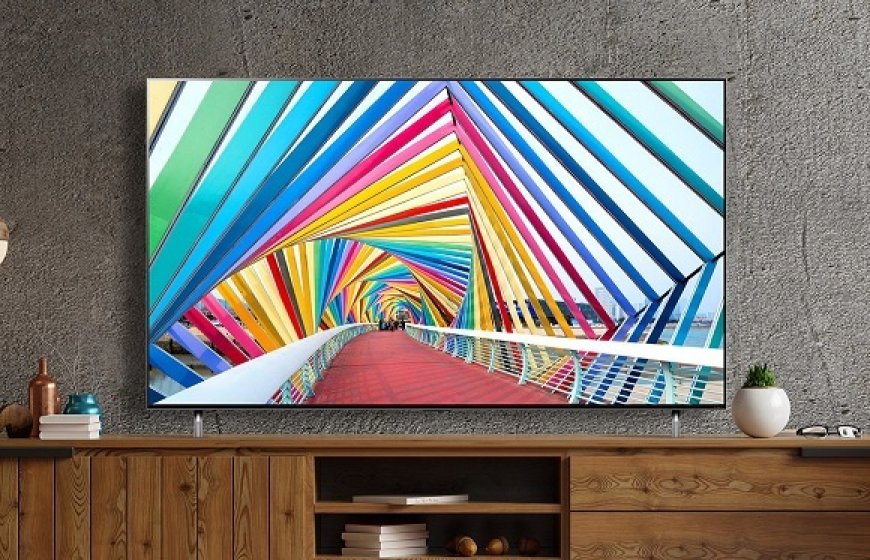
Television technology has evolved dramatically over the last decade. Screens have become larger, slimmer, sharper, and far more advanced in features. But as picture quality improves and connectivity expands, consumers are increasingly concerned about another crucial element: energy efficiency. A modern home today often includes multiple appliances, and your TV, especially a large one plays a significant role in your household's overall energy consumption. Thats why choosing an eco-friendly model is more important than ever.
1. Why Energy Efficiency in TVs Matters More Than Ever
Energy consumption of consumer electronics has grown significantly, with televisions ranking among the most used devices in many households. With streaming platforms, gaming consoles, and longer binge-watching hours, your TV often runs for several hours a day.
A less efficient model can lead to:
-
Higher electricity bills
-
Greater carbon footprint
-
Increased strain on household energy usage
-
Faster heat generation, which reduces panel lifespan
By contrast, an energy-efficient TV:
-
Saves money in the long run
-
Reduces environmental impact
-
Operates cooler and lasts longer
-
Often delivers better performance due to modern technology
For buyers seeking a 55 inch smart led tv, energy efficiency should be a primary factor not an afterthought.
2. Understanding TV Technologies: What Makes a TV Eco-Friendly?
Before exploring energy labels and ratings, its crucial to understand the technology behind modern television displays. Several components affect how much electricity a TV consumes.
2.1 LED Panels: The Standard of Efficiency
Most modern TVs including any smart LED TV you might consider use LED (Light Emitting Diode) backlighting. LED panels consume far less energy than older LCD or plasma TVs.
Benefits of LED displays include:
-
Lower heat output
-
Higher brightness at lower power usage
-
Longer lifespan
-
Better control over dimming
LEDs have paved the way for more advanced variations such as edge-lit, direct-lit, and full-array lighting systems all of which influence power consumption differently.
2.2 Local Dimming and Power Savings
Local dimming technology allows parts of the screen to dim independently, saving power during dark scenes. TVs with full-array local dimming (FALD) often deliver superior picture quality while optimizing energy usage.
2.3 Refresh Rates and Energy Usage
Higher refresh rates (120Hz or beyond) can improve motion clarity but also consume more energy. For most home users, 60Hz is sufficient and more energy efficient.
2.4 Processor Efficiency
A smart LED TV relies on its processor to run apps, control picture settings, and optimize performance. Efficient processors reduce operating load and energy consumption, especially during heavy streaming.
3. Energy Labels and Certifications: What They Mean
When shopping for eco-friendly appliances, understanding energy certifications is essential.
3.1 Star Ratings
Many countries use star rating systems to indicate energy efficiency. More stars mean lower energy consumption.
Benefits of choosing higher-rated TVs:
-
Lower annual operational cost
-
Better energy-saving technology
-
Improved panel performance
A high-rated 55 inch smart led tv may cost more upfront, but long-term savings make it worthwhile.
3.2 Energy Guide Labels
Energy Guide labels typically show:
-
Estimated yearly electricity cost
-
Annual energy usage (kWh)
-
Comparison with similar models
These labels allow you to make data-driven decisions instead of relying solely on marketing claims.
4. Picture Quality vs. Energy Consumption: Finding the Balance
Many consumers believe that better picture quality always requires higher power consumption. While partially true, modern TVs strike an excellent balance between energy savings and performance.
4.1 Brightness Settings and Eco Modes
Most TVs ship with brightness set to maximum to impress customers in showrooms. But high brightness consumes more power and isnt necessary for home use.
Adjust:
-
Backlight
-
Brightness
-
Contrast
-
Eco Mode / Power Saver Mode
Eco modes automatically reduce:
-
Brightness based on ambient light
-
Screen power usage when idle
-
Output power during dark scenes
4.2 HDR and Power Usage
High Dynamic Range (HDR1 or Dolby Vision) improves picture quality significantly but uses more energy due to boosted brightness.
If energy savings are a priority:
-
Use HDR selectively.
-
Adjust brightness manually for regular content.
6. Build Quality and Materials: Eco-Friendliness Beyond Electricity
A sustainable TV isnt just about energy-saving performance. It also involves responsible manufacturing.
6.1 Recyclable Materials
Eco-conscious brands use:
-
Recyclable plastics
-
Aluminum frames
-
Mercury-free LED panels
This reduces the environmental footprint across the TVs lifecycle.
6.2 Durable Components
Stronger build quality means:
-
Longer lifespan
-
Fewer replacements
-
Reduced electronic waste
7. Real-Life Energy Saving Tips for TV Users
Even after buying an eco-friendly TV, user habits greatly influence energy consumption.
7.1 Reduce Brightness
Lowering brightness by 20-30% saves substantial energy.
7.2 Turn Off TV When Idle
Many users leave TVs running while multitasking this wastes energy and shortens lifespan.
7.3 Use Power Saver Modes
Enable power saver mode for general viewing.
7.4 Turn Off Connectivity When Not in Use
Disable:
-
Bluetooth
-
Wi-Fi Direct
-
Screen mirroring
7.5 Opt for Energy-Efficient Streaming
Streaming at lower resolutions when appropriate reduces power load.
Conclusion
Choosing an eco-friendly television is more than just a responsible choice, it's a smart investment that benefits your home, your comfort, and the environment. When selecting a 55 inch smart led tv, pay close attention to energy ratings, brightness controls, display technology, and smart features designed to reduce power usage. Modern manufacturing has advanced enough that you dont have to sacrifice picture quality or performance to be energy efficient. In fact, the right smart LED TV offers both visual excellence and responsible energy consumption, delivering years of high-quality viewing while minimizing your carbon footprint. With thoughtful choices and smart usage habits, your new 55 inch smart led tv will become not just a centerpiece of your living room, but a testament to sustainable living.