










Effective Bird Control: Using Bird Repellent and Bird Deterrent Solutions
Understanding the differences between these methods and how to implement them effectively can help keep spaces clean, safe, and bird-free.
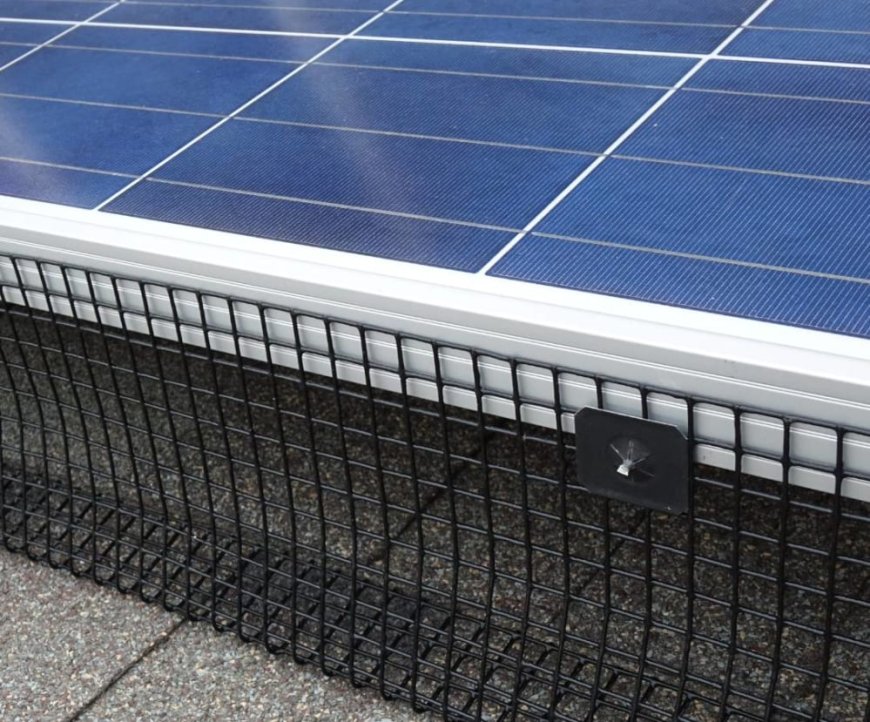
Birds add beauty and life to our surroundings, but they can also create challenges for homeowners and businesses. Large flocks can damage property, leave droppings, and even pose health risks. To address these issues, many people turn to bird repellent and bird deterrent solutions. Understanding the differences between these methods and how to implement them effectively can help keep spaces clean, safe, and bird-free.
Understanding Bird Problems
Birds, especially pigeons, sparrows, and starlings, are known for gathering in large numbers around urban and suburban areas. While these birds may seem harmless, they can create significant problems, including:
-
Property Damage: Bird droppings are acidic and can erode building materials, paint, and metal.
-
Health Risks: Droppings and nesting materials can carry diseases such as histoplasmosis and salmonella.
-
Noise and Nuisance: Large flocks can create constant noise and disrupt everyday activities.
Addressing these issues early is important to prevent costly damage and maintain a clean environment.
Bird Repellent Solutions
Bird repellent refers to products or substances that make areas uncomfortable or undesirable for birds. These solutions are usually safe and do not harm the birds but encourage them to move elsewhere.
Types of Bird Repellent
-
Gel Repellents: Sticky substances applied on ledges, roofs, or other perching areas that birds find unpleasant.
-
Ultrasonic Devices: Emit high-frequency sounds that disturb birds but are typically inaudible to humans.
-
Scent-Based Repellents: Certain smells, such as predator scents or natural deterrent oils, can discourage birds from roosting.
How to Use Bird Repellent Effectively
-
Apply the repellent to surfaces where birds frequently land or perch.
-
Reapply or check regularly to maintain effectiveness, especially after rain or cleaning.
-
Combine with other deterrent methods for long-term results.
Proper application of bird repellent can significantly reduce unwanted bird activity without causing harm.
Bird Deterrent Methods
Bird deterrent involves physical or visual methods designed to scare or block birds from specific areas. These solutions are often used in combination with repellents for maximum impact.
Common Bird Deterrent Options
-
Bird Spikes: Plastic or metal spikes installed on ledges, roofs, and beams prevent birds from landing.
-
Reflective Deterrents: Shiny tape, reflective disks, or holographic materials scare birds by reflecting sunlight.
-
Netting: Fine mesh or netting blocks access to large areas such as gardens, balconies, or rooftops.
Implementing Bird Deterrent Solutions
-
Focus on areas where birds frequently nest or gather.
-
Use multiple deterrents for stubborn species or high-traffic areas.
-
Inspect installations regularly to ensure they remain in place and effective.
Bird deterrent methods are a reliable way to prevent birds from returning to unwanted areas while minimizing harm to wildlife.
Choosing Between Bird Repellent and Bird Deterrent
The choice between bird repellent and bird deterrent depends on the specific problem, the type of birds, and the location.
-
For Small Roosting Problems: Repellent gels or ultrasonic devices may be sufficient.
-
For Large Areas or Persistent Birds: Physical deterrents like spikes or netting are often more effective.
-
Combined Approach: Using both repellent and deterrent methods usually provides the best long-term results.
Factors to Consider
-
Bird Species: Some birds respond better to visual deterrents, while others are more sensitive to sound or scent.
-
Area Size: Larger areas may require netting or multiple devices to cover effectively.
-
Aesthetic Preferences: Some deterrents, like spikes, can be discreet, while others may be more visible.
By considering these factors, homeowners and business owners can choose the right combination of solutions for their needs.
Benefits of Using Bird Repellent and Deterrent
Effective bird control offers multiple advantages beyond keeping your space clean.
-
Protects Property: Reduces the risk of damage to roofs, ledges, and vehicles caused by droppings and nesting materials.
-
Promotes Hygiene: Minimizes health risks associated with bird-borne diseases.
-
Saves Time and Money: Prevents frequent cleaning and repairs caused by bird activity.
-
Reduces Stress: Less noise and fewer disturbances create a more peaceful environment.
Investing in reliable bird control solutions ensures a safer and more enjoyable outdoor or indoor space.
DIY vs. Professional Bird Control
Some homeowners prefer to handle bird problems on their own, while others opt for professional services. Both approaches have their advantages.
DIY Solutions
-
Affordable and Convenient: Many repellent gels, ultrasonic devices, and reflective deterrents are easy to install.
-
Quick Implementation: Immediate action can reduce bird activity before it becomes a larger problem.
Professional Bird Control
-
Expert Assessment: Professionals identify the type of birds, nesting patterns, and problem areas.
-
Customized Solutions: Tailored combinations of repellent and deterrent are installed for maximum effectiveness.
-
Long-Term Maintenance: Professionals can monitor and maintain systems to prevent birds from returning.
Choosing between DIY and professional options depends on the severity of the bird problem and the desired level of long-term control.
Tips for Long-Term Bird Management
Effective bird control requires ongoing attention and maintenance. Here are some tips to ensure long-term results:
-
Regular Inspection: Check roofs, ledges, and gutters for nests or signs of bird activity.
-
Clean Affected Areas: Remove droppings, debris, and old nests to discourage birds from returning.
-
Combine Methods: Use both repellent and deterrent strategies for stubborn or frequent bird visitors.
-
Monitor Effectiveness: Adjust or replace deterrents as needed to maintain results over time.
By staying proactive, bird problems can be managed efficiently without harming the environment.
Conclusion
Bird repellent and bird deterrent solutions provide safe, effective, and environmentally responsible ways to manage bird problems. Whether dealing with small gatherings on rooftops or larger flocks in urban areas, these strategies protect property, promote hygiene, and create a more comfortable environment. For those seeking professional expertise and additional services, Golden Rays Solar Cleaning offers guidance on integrating bird control solutions with solar panel maintenance, ensuring clean and protected outdoor spaces.