








Digital Twin Technology Explained: How Virtual Models Improve Manufacturing, Healthcare & Smart Cities
Digital twin technology is rapidly transforming how industries design, monitor, and optimize complex systems. What once seemed like a futuristic idea—creating a digital replica of physical assets—is now a practical, powerful tool reshaping manufacturing floors, healthcare facilities, transportation networks, and even modern smart cities.


Digital twin technology is rapidly transforming how industries design, monitor, and optimize complex systems. What once seemed like a futuristic ideacreating a digital replica of physical assetsis now a practical, powerful tool reshaping manufacturing floors, healthcare facilities, transportation networks, and even modern smart cities.
In this guide, we break down what digital twin technology is, how it works, and why it has become a foundation for the next generation of intelligent, connected systems. Well also explore how edge AI plays a crucial role in improving real-time data processing, automation, and decision-making.
What Is Digital Twin Technology?
A digital twin is a virtual model of a physical object, system, or process. It mirrors real-world conditions using live data collected from sensors, IoT devices, automation systems, and software platforms.
In simpler terms:
A digital twin is a living, constantly updated digital version of something real.
Examples of digital twins:
-
A 3D model of a manufacturing machine tracking temperature, vibration, and performance
-
A virtual patient model used to simulate treatments
-
A replica of a citys traffic system showing real-time congestion and energy usage
Digital twins enable organizations to:
-
Predict problems before they occur
-
Reduce operational costs
-
Improve safety and reliability
-
Test changes virtually before applying them in real life
How Digital Twin Technology Works
Understanding how digital twins operate is easier when broken into four layers:
1. Physical Asset Layer
This includes machines, buildings, sensors, vehicles, medical devices, and any equipment connected to the internet.
2. Data Collection Layer
IoT sensors gather information such as:
-
Temperature
-
Speed
-
Pressure
-
Energy consumption
-
Movement
-
Wear and tear indicators
3. Virtual Model Layer
This is the digital twin itselfa software-based representation that updates in real time as physical data changes.
4. Intelligence Layer (AI, ML & Edge Computing)
Here, advanced analytics, AI algorithms, and edge AI process the collected data to provide:
-
Predictions
-
Automated actions
-
Insights
-
Optimization recommendations
How Edge AI Enhances Digital Twin Technology
(Edge AI explained in context)
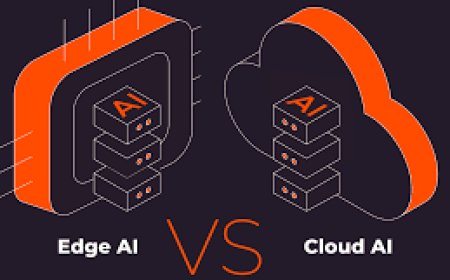
Traditional AI systems send data to centralized cloud servers for processing. This can introduce delays, which is a problem for systems that require fast reactions.
Edge AI solves this by processing data directly on local devicesclose to where it is generated.
Why Edge AI Is Important for Digital Twins
-
Real-time decision making: Critical in machinery monitoring or patient care
-
Reduced latency: Faster responses for autonomous systems
-
Lower bandwidth usage: Less data needs to be sent to the cloud
-
Improved reliability: Works even with limited or unstable internet
Examples:
-
A manufacturing robot can stop instantly if sensors detect abnormal vibration
-
A smart building can adjust lighting and HVAC based on real-time occupancy
-
A hospitals patient monitoring system can alert doctors immediately during emergencies
Edge AI and digital twins together create a powerful, responsive, and more autonomous environment.
Digital Twin Technology in Major Industries
1. Digital Twins in Manufacturing
Manufacturing is one of the biggest adopters of digital twins because real-time monitoring and predictive intelligence improve efficiency and reduce downtime.
Benefits in Manufacturing
-
Predictive maintenance: Prevent equipment failures before they happen
-
Supply chain optimization: Track goods throughout transit
-
Quality control: Detect production issues early
-
Production line simulation: Test workflows before implementing changes
Example
A factory uses a digital twin to monitor a CNC machine. If temperature spikes or vibration patterns suggest a breakdown, the system alerts technicians before failure occurssaving thousands in downtime.
2. Digital Twins in Healthcare
Digital twin technology is changing modern medicine by enabling personalized care, advanced diagnostics, and real-time monitoring.
Healthcare Uses
-
Virtual patient models: Simulate treatments and predict outcomes
-
Medical device optimization: Improve performance and safety
-
Hospital management: Track staff, equipment, and patient flow
-
Remote patient monitoring: Use IoT devices and edge AI for urgent alerts
Real-World Example
Digital twins of human hearts are used to test how different patients respond to stents, pacemakers, or medicationreducing risks and improving treatment accuracy.
3. Digital Twins in Smart Cities
Smart cities rely on digital twin technology to improve infrastructure, traffic, safety, and environmental management.
Smart City Applications
-
Traffic flow modeling: Reduce congestion
-
Energy optimization: Monitor and control electricity grids
-
Environmental monitoring: Track air quality and water systems
-
Urban planning: Test city expansions or building designs
Example
A city creates a digital twin of its transportation system. Using sensor data and edge AI, it adjusts traffic lights automatically to ease congestion during peak hours.
Key Benefits of Digital Twin Technology
1. Improved Decision-Making
Live data and AI-powered analysis help organizations make smarter, faster, and more accurate decisions.
2. Reduced Costs
Predictive maintenance, simulation-based planning, and optimized operations lower repair, downtime, and resource usage.
3. Enhanced Innovation
Companies experiment virtually before implementing changeslowering risks and accelerating development.
4. Increased Automation
With edge AI integration, digital twins can act autonomously:
-
Control machines
-
Adjust environments
-
Alert human operators
5. Better Customer Experiences
From safer medical treatments to smoother transportation services, digital twins enhance the end-user experience.
Challenges and Considerations
While digital twin technology offers many benefits, organizations must also navigate:
Data Security
Large amounts of sensitive data (especially in healthcare) require strict security protocols.
Integration Costs
Connecting legacy systems, sensors, and cloud/edge platforms can be expensive initially.
Skill Requirements
AI, IoT, and digital twin management require specialized skills, which may involve training or hiring.
The Future of Digital Twin Technology
By 2025 and beyond, digital twins will continue expanding across industries, driven by:
-
5G connectivity
-
More powerful IoT sensors
-
Automation and robotics growth
We can expect digital twins to become the backbone of smart factories, highly personalized healthcare, climate-resilient cities, and next-generation transportation systems.
Conclusion
Digital twin technology is more than a digital modelits a dynamic, intelligent ecosystem powered by IoT, AI, and especially edge computing. Whether in manufacturing, healthcare, or smart cities, digital twins help organizations predict problems, optimize performance, and innovate without risk.