










Detect Leaks Faster: How Data Loggers Reveal Hidden Compressed-Air Losses?
Imagine youre overseeing a large manufacturing facility. You wake up one morning to find your utility bill spikedagain! Your maintenance team has been chasing leaks manually for months, hunting down hiss-sounds and snapping shut valves one by one. Still, the compressors run long into the night for no obvious reason.
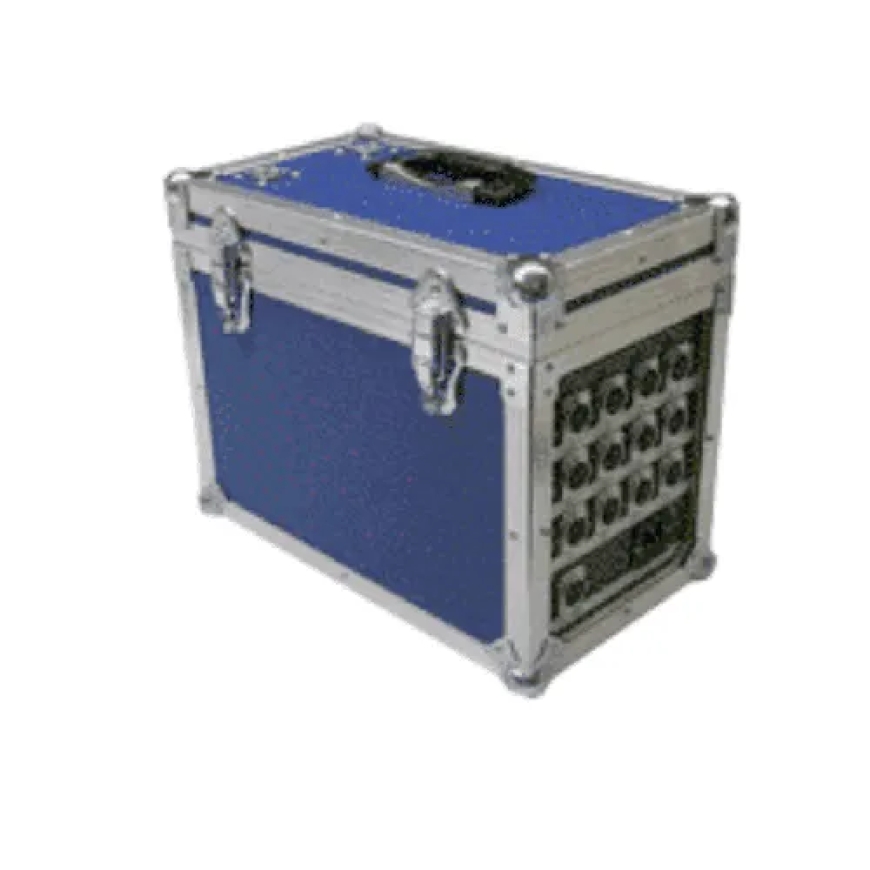
Then your web-based CMS deploys a high-resolution data logger for compressed air audit, and you instantly see abnormal night-time loads, unexpected usage spikes, pressure decay patterns: leak hotspots flagged. Within weeks the losses dropand youve stopped bleeding thousands of dollars a month.
Why manual leak chasing just doesnt cut it?
Youve likely experienced the frustration: walking the plant floor at odd hours, listening for hissing, tightening couplings, patching fittings. This scattershot approach is time-consuming and often misses the big leaks hidden in the system backbone. What if those leaks only show up when youre asleep? Or only on weekends when the rest of the system is idling? Traditional methods cant catch that.
In fact, industrial studies show that up to 20-30% of compressed air output can be lost to leaks in poorly maintained systems.
What if you fixed every visible leak and still had 30 % loss?
Maybe youve been chasing the wrong problem all along.
Theres quite much to see!
How high-resolution data loggers uncover hidden leak signatures?
When you deploy a web-based compressor management system (CMS) offering a sophisticated compressed air audits data logger provider package, you gain access to rich data streams. Heres what auditors look for:
-
Abnormal night loads: compressors should largely idle; elevated consumption hints at open vents or system demand when none is scheduled.
-
Unexpected usage spikes: brief jumps in flow or pressure that correlate with no production activity signal sudden leaks or system malfunctions.
-
Pressure-decay patterns: during planned downtime, the system pressure should remain stable; a drop-off pattern shows continuous leakage.
These signals, pulled by high-resolution loggers recording flow, pressure and compressor active time, allow the auditor to zoom in on when and where the waste is occurring. They overlay timelines, correlate events, and pinpoint leak clusters in piping zones or distribution networks.
Interpreting the data: What your auditor will tell you
Once the logger data is in the CMS dashboard, the auditor works through:
-
Filter the data by non-production hours to isolate idle consumption.
-
Identify zones showing persistent flow when demand should be zero.
-
Map spikes to specific compressors or headers isolating which circuit is affected.
-
Quantify the lost air volume by integrating flow over time for flagged events.
-
Convert lost volume into energy cost using kW per m and electricity rate (e.g., a leak that wastes 1 m/min at 7 bar for 1 hour may cost hundreds of dollars).
By walking through this, the audit reveals not just theres a leak, but this pipe segment or this header is costing you $X per month.
Trust-building: How quantification translates into real savings
Once you know the numbers, you can act. Fix the leak, re-log the data, and validate the savings. Heres how your CMS supports this:
-
Automated reporting: shows pre-fix vs post-fix consumption to prove ROI.
-
Trend-analysis: over weeks and months, you see the energy baseline drop.
-
Alerting: if leaks return or new ones develop, the system flags deviations immediately.
Energy waste from leaks is no longer a vague maybe 10-30 % figureit becomes an actionable cost centre you can monitor and reduce. According to a 2024 study, the global air leak detection market size reached USD 1.24 billion, driven in part because industries know up to 30 % of compressed air is lost to leaks.
Closing thoughts
If youre managing a compressed-air system, chasing leaks manually will leave you tired and cost-exposed. Leveraging high-resolution data logger for compressed air audit changes the game: you detect abnormal loads, usage spikes and decay patterns before they drain your budget. Your auditor interprets the data, you quantify the loss, you fix, you verifyand you build a culture of continuous improvement, not firefighting. Thats how you turn leak detection into energy savings.