










Choosing the Right Wall-Mounted AC 110V for Marine and Commercial Environments

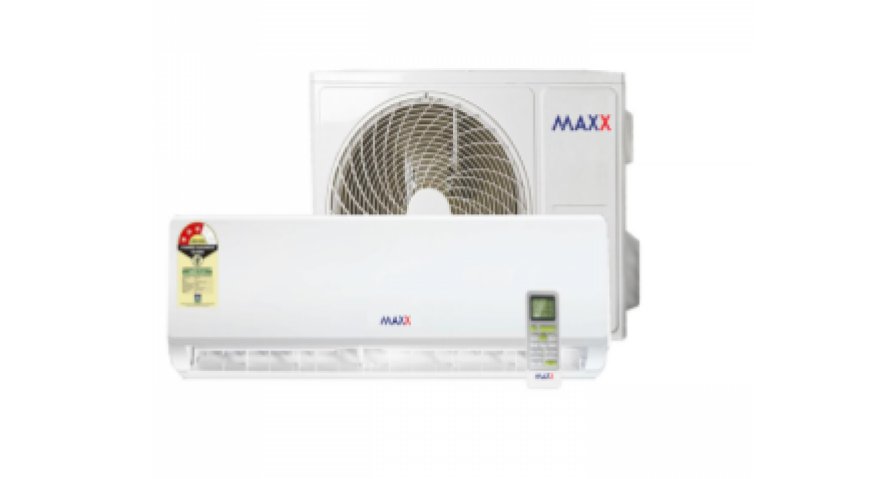
In marine vessels, offshore accommodations, and demanding commercial settings, maintaining a stable, comfortable indoor climate is more than a convenience its a necessity. When the external ambient temperature soars, and structural constraints limit space, only robust cooling systems built for continuous operation can deliver reliable performance. For these scenarios, selecting the right air-conditioning equipment can dramatically affect energy consumption, longevity, and operational stability.
One of the most effective solutions for such environments is a Wall-Mounted AC 110V, specifically designed to operate on 60 Hz power lines common in marine setups. These units combine compact installation, efficient cooling, and a design optimized for reliability, making them well-suited to the unique challenges of ship cabins, control rooms, or offshore quarters.
Why Marine Environments Need Specially Designed ACs
Marine and offshore settings present several distinct challenges for air-conditioning units:
-
Saline Atmosphere & Corrosion Risks
Sea-laden air can corrode standard AC components. Equipment designed for marine use typically uses anti-corrosive materials and protective coatings to withstand such exposure.
-
Vibration and Motion
On a vessel, constant movement subjects HVAC units to vibration and tilt. Robust mounting and compressor design help ensure durability under such stress.
-
Limited Space & Power Constraints
Cabins and control rooms often have limited wall or ceiling area. At the same time, electrical systems might be limited to 110V/60 Hz circuits. Thats why specially rated units like those offered in dedicated marine categories are critical.
-
Continuous or Frequent Use
Crew quarters, workspaces, and common areas may operate around the clock. So, air conditioners need efficient compressors, dependable cooling capacity, and the ability to recover quickly after load changes.
Because of these demands, a generic home AC often falls short making purpose-built marine air conditioners an investment with real returns in reliability, comfort, and energy efficiency.
Key Specs to Look for in Marine-Grade Split AC Units
When evaluating a split-type AC for marine or demanding commercial use, you should focus on:
-
Voltage and Frequency: The unit must support 110V/60 Hz electrical systems.
-
Cooling Capacity: Match the BTU or tonnage to the size of the room. For instance, a 1-ton unit (~12,000 BTU) suits cabins or small living spaces.
-
Refrigerant Type: Modern marine ACs use environment-friendly refrigerants like R410A, which are efficient and more compliant with global standards.
-
Noise and Efficiency: Look for low indoor/outdoor dB ratings and good EER (Energy Efficiency Ratio). In the model listed on your site, indoor noise is around 42 dB, with an EER of 3.16.
-
Durability: IP-rated splash-proof outdoor units help protect against sea spray and harsh weather.
Voltage and Frequency Compatibility: Why 110V/60Hz Matters
Many ships operate with 110V electrical infrastructure, making specialized AC systems a necessity. Equipment designed for 220V operation will either underperform or require heavy transformers, which are impractical in tight cabins. The units listed in the 110V Split-Type category on TEKO Marines website clearly meet these electrical requirements and ensure smooth performance without fluctuations.
Frequency compatibility is equally important. Marine generators typically output 60Hz power. When an AC is engineered for this frequency, its compressor, motor speed, and cooling efficiency operate within optimal ranges. This compatibility improves lifespan, prevents overheating, and ensures stable performance throughout continuous operation.
Comparing Split ACs to Other Cooling Options
Although cabins may also use portable fans or small cooling units, none match the long-term performance of marine-grade split systems. For example, a Standing Air Conditioner may provide temporary cooling in open commercial spaces, but it is usually unsuitable for mounting or electrical environments found on ships. Split systems deliver the best balance of energy efficiency, targeted cooling, and compact installation.
Wall-mounted split ACs also outperform window and portable AC units when it comes to noise reduction, energy efficiency, and cooling consistency. Their addition of multi-speed fans, high-quality compressors, and refrigerant optimization ensures they deliver smooth operation even during long voyages or periods of continuous use.
Durability Features Needed for Marine AC Systems
Marine AC units require stronger materials and smarter engineering to survive salt exposure, moisture, and constant movement. Several key features make marine-ready units dependable:
1. Anti-Corrosive Protection
The outdoor condenser must be protected against rust and corrosion. Many marine-grade units incorporate anti-corrosive coatings and reinforced housings to withstand harsh sea conditions.
2. Efficient Heat Dissipation
Cabins generate heat from equipment, crew activities, and ambient conditions. The split system design enhances heat removal with the compressor placed outside the room, improving indoor cooling.
3. Low Noise Operation
Quiet functioning is essential in resting areas and control rooms. Split systems have the advantage of isolating the noisiest components outside the cabin.
4. Compact Indoor Units
Indoor evaporators are designed to blend seamlessly with compact cabin walls, maximizing usable cabin space while improving airflow.
5. Weather-Resistant Condensers
Outdoor units used on ships may face splashes or wind exposure, requiring sturdy housings and reliable drainage systems.
These features make split-type ACs far superior to other temporary cooling solutions commonly considered for small spaces.

Final Thoughts
Selecting the right air-conditioning system for marine or high-demand commercial operations is critical. If you need reliable, purpose-built cooling and your setup depends on a Wall-Mounted AC 110V designed for continuous use in challenging environments the split-system offerings from Teko Marine deliver performance, durability, and peace of mind.
As a leading marine air conditioning company, Teko Marine provides solutions tailored to life at sea. Their AC units are backed by marine specifications and built to last exactly what serious operators and facility managers look for when sourcing from trusted Marine equipment suppliers.