Biomedical Engineering Conference: Shaping Future Healthcare
This post explores the importance of a Biomedical Engineering Conference within the UK healthcare and medical technology landscape. It explains how these conferences support collaboration between engineers, clinicians, and technology providers, while addressing real-world challenges such as equipment safety, compliance, workforce skills, and digital integration. The article highlights the growing role of AR/VR in training, the value of practical sessions like a Clinical engineering seminar, and the career benefits for both early-stage and experienced professionals. It concludes that biomedical engineering conferences remain essential for knowledge sharing, professional development, and improving healthcare technology outcomes.
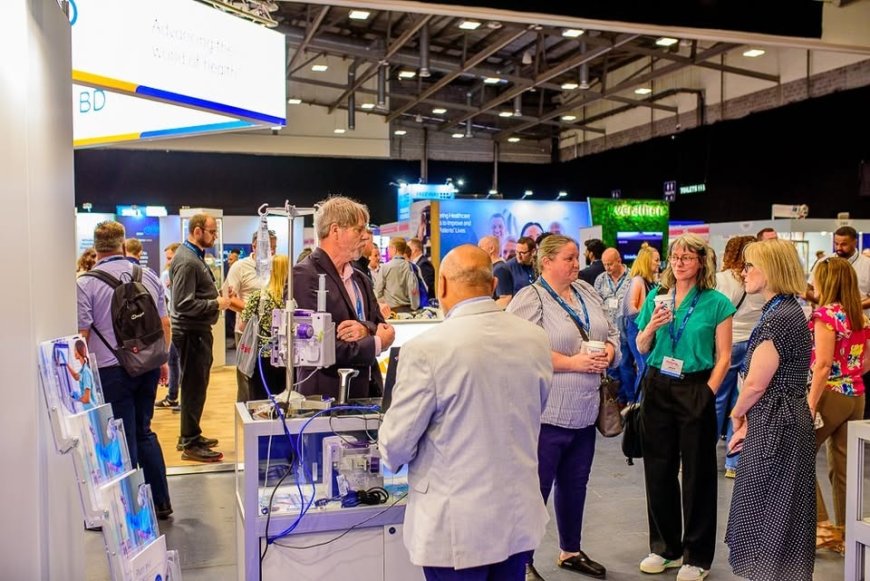
Introduction
A Biomedical Engineering Conference is more than a date in the professional calendar. It is where healthcare technology meets real-world clinical practice, where engineers, clinicians, innovators, and educators exchange ideas that later shape patient care across hospitals, labs, and research centres. In the UK, these conferences have become a trusted space for discussing applied engineering, regulatory realities, and emerging tools such as simulation, digital twins, and AR/VR-based training.
This guest post is written for professionals who work close to the equipment, systems, and people that keep healthcare running. It reflects practical industry experience rather than marketing language, with a focus on how biomedical engineering conferences create long-term value.
Target Audience
This content is written for:
-
Biomedical and clinical engineers
-
Healthcare technology managers
-
Medical device professionals
-
NHS estates and engineering teams
-
Researchers, lecturers, and postgraduate students
-
AR/VR developers working in healthcare training
The tone, examples, and references are aligned with a UK healthcare and engineering audience, using UK English throughout.
Why a Biomedical Engineering Conference Still Matters
In an era of webinars and short online courses, the Biomedical Engineering Conference remains relevant because it offers something digital platforms struggle to replace: informed conversation. Face-to-face discussion allows engineers to compare experiences, challenge assumptions, and talk honestly about what works in hospitals and what does not.
At these conferences, discussions often focus on:
-
Equipment lifecycle management
-
Medical device compliance and safety
-
Interoperability between systems
-
Staff training challenges
-
Budget constraints within public healthcare
Unlike generic tech events, biomedical engineering conferences are grounded in clinical reality. Speakers are usually people who deal with ageing equipment, limited resources, and strict regulatory frameworks on a daily basis.
The Growing Link Between Engineering and Clinical Practice
One of the strongest themes at any Biomedical Engineering Conference is collaboration. Engineers no longer work in isolation from clinicians. Instead, they support patient pathways, safety protocols, and service efficiency.
Sessions frequently explore how engineering decisions affect:
-
Patient waiting times
-
Diagnostic accuracy
-
Equipment downtime
-
Staff confidence and competence
Many conferences now include sessions similar to a Clinical engineering seminar, where practical case studies replace theory-heavy presentations. These sessions are popular because they reflect real hospital environments rather than ideal scenarios.
AR and VR in Biomedical Engineering Events
Over the past few years, AR and VR have become regular discussion points at UK biomedical engineering conferences. Rather than being treated as experimental tools, they are now viewed as practical support systems for training and planning.
Common AR/VR-related topics include:
-
Virtual maintenance training for imaging equipment
-
Simulation-based safety training
-
Remote assistance using smart glasses
-
Digital twins of clinical spaces
These sessions often appeal to younger engineers and training managers who are looking for better ways to upskill staff without disrupting clinical operations. From an industry perspective, this shift reflects a wider acceptance of immersive learning as a credible method.
What Attendees Gain from a Biomedical Engineering Conference
A well-structured Biomedical Engineering Conference offers value beyond CPD credits. Attendees often leave with ideas they can apply immediately.
Practical outcomes include:
-
Improved maintenance strategies
-
Better understanding of MHRA and UK compliance updates
-
Exposure to new suppliers and service models
-
Peer feedback on common technical problems
Many engineers also value informal discussions during breaks. Conversations over coffee often lead to shared solutions that never make it into slide decks.
Topics Commonly Covered at UK Conferences
While every event has its own focus, most biomedical engineering conferences in the UK include sessions around:
-
Medical Device Safety
Updates on risk management, incident reporting, and compliance. -
Digital Health Systems
Integration of software, data security, and interoperability. -
Workforce Skills
Addressing training gaps, apprenticeships, and succession planning. -
Sustainability in Healthcare Engineering
Equipment reuse, energy efficiency, and waste reduction. -
Innovation in Diagnostics and Imaging
Practical insights rather than product promotion.
These topics remain relevant because they reflect daily pressures within NHS trusts and private healthcare providers.
Networking Without the Sales Pressure
One concern engineers often raise before attending a Biomedical Engineering Conference is aggressive sales behaviour. Well-managed conferences address this by balancing exhibition areas with educational content.
A strong event allows attendees to:
-
Speak with suppliers without obligation
-
Compare service offerings openly
-
Ask technical questions without marketing spin
This balanced approach builds trust and keeps professionals returning year after year.
The Role of Conferences in Career Development
For early-career engineers, a biomedical engineering conference can be a turning point. Listening to experienced professionals discuss mistakes, lessons learned, and career paths helps younger attendees set realistic expectations.
For senior engineers and managers, conferences offer:
-
Insight into emerging skill requirements
-
Awareness of training methods used by other trusts
-
Opportunities to mentor or recruit
This exchange supports long-term workforce stability, which remains a concern across UK healthcare engineering teams.
Quotes from the Industry
You dont attend a biomedical engineering conference for theory. You attend to hear how others solve the same problems you face every day.
This sentiment is often echoed by repeat attendees who value honesty over polished presentations.
How to Choose the Right Biomedical Engineering Conference
Not all events deliver the same experience. When selecting a Biomedical Engineering Conference, professionals often consider:
-
Speaker background and credibility
-
Balance between technical and strategic content
-
Relevance to UK healthcare systems
-
Opportunities for discussion rather than lectures
Reading past agendas and speaker profiles helps ensure the event aligns with practical needs.
Conclusion
A Biomedical Engineering Conference remains one of the most effective ways for healthcare engineering professionals to learn, share, and grow. In the UK context, these events reflect the realities of working within regulated, resource-limited environments while still encouraging innovation.
Whether you are early in your career or managing complex systems across multiple sites, attending the right conference can offer clarity, confidence, and practical ideas that last well beyond the event itself.
Frequently Asked Questions (FAQ)
What is a Biomedical Engineering Conference?
A biomedical engineering conference is a professional event where engineers, clinicians, researchers, and industry suppliers discuss medical technology, safety, training, and innovation within healthcare.
Who should attend a Biomedical Engineering Conference?
Clinical engineers, biomedical technicians, healthcare technology managers, researchers, and students all benefit from attending.
Are these conferences relevant for NHS professionals?
Yes. Most UK-based biomedical engineering conferences focus on NHS challenges, compliance requirements, and real-world hospital environments.
Do conferences cover training and education topics?
Yes. Many sessions address skills development, apprenticeships, AR/VR training tools, and workforce planning.
How often should engineers attend conferences?
Many professionals aim to attend at least one biomedical engineering conference per year to stay informed and connected.