









Best Ways to Source Viscose Fabric for Bulk Orders
This guide explains the best ways to source high-quality viscose fabric for bulk orders. It covers assessing quality, quantity, and budget, using online platforms, working with manufacturers, attending trade shows, and choosing certified sustainable suppliers.
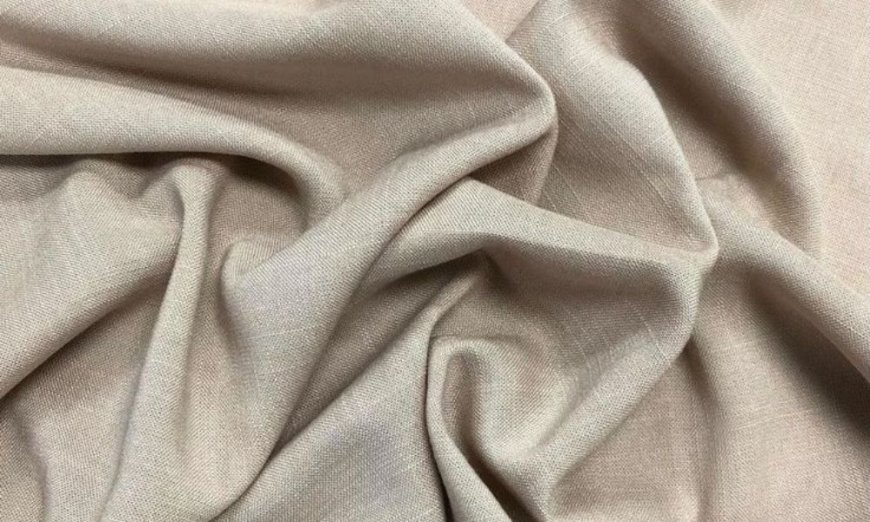
Viscose fabric has secured a permanent place in the fashion and textile industries due to its versatility and desirable qualities. Derived from wood pulp, this semi-synthetic material offers the softness of silk and the breathability of cotton, making it a preferred choice for everything from casual wear to high-end fashion. Its ability to drape well and hold vibrant colors has driven its popularity, leading many businesses to seek reliable sources for bulk orders.
Sourcing high-quality viscose fabric in large quantities requires a strategic approach. The process involves identifying suppliers that can meet specific quality standards, quantity requirements, and budget constraints. For businesses looking to scale, finding a dependable wholesale fabric supplier is a critical operational step. This guide provides a straightforward overview of the best methods for sourcing viscose fabric, helping you make an informed decision for your business. We will cover everything from online platforms to direct manufacturing, ensuring you have the necessary information to secure the materials you need.
Understanding Your Needs: Assessing Quality, Quantity, and Budget
Before you begin your search for a supplier, it is essential to define your specific requirements. A clear understanding of your needs will streamline the sourcing process and help you find a partner that aligns with your business goals.
Quality Assessment
The quality of viscose fabric can vary significantly. Key factors to consider include the fabric's weight (GSM), weave, finish, and colorfastness. Determine the exact specifications you need for your products. Will you require a lightweight viscose for blouses or a heavier blend for trousers? Requesting samples is a crucial step to physically inspect the fabric's feel, drape, and durability. Do not compromise on this; the quality of your raw material directly impacts the final product.
Quantity Requirements
Your required quantity will influence which type of supplier is most suitable. Are you placing a one-time bulk order or do you need a consistent supply for ongoing production? Communicate your Minimum Order Quantities (MOQs) and your potential for future orders. Some suppliers specialize in massive volumes, while others are more flexible and cater to smaller or mid-sized businesses. Being upfront about your needs helps filter out incompatible suppliers early on.
Budgeting
Establish a clear budget per yard or meter. Your budget must be realistic, balancing cost with the desired quality. While it is tempting to opt for the lowest price, this can often lead to subpar materials. Factor in additional costs such as shipping, import duties, and taxes when calculating your total expenditure. A well-defined budget allows you to negotiate effectively and ensures the financial viability of your production.
Online Marketplaces: A Starting Point for Sourcing
For businesses looking to buy fabric online, digital marketplaces offer a vast selection of suppliers from around the globe. These platforms provide a convenient way to compare options and connect with potential partners.
Fabriclore
For businesses that prioritize a mix of quality, customization, and reliable service, Fabriclore stands out as a leading wholesale fabric supplier. They offer a comprehensive selection of viscose fabric and provide services like custom dyeing and printing at low MOQs. Their tech-enabled platform is designed to support fashion brands with transparent delivery schedules and strong customer support, making them a trusted partner for many labels.
Other Industry-Specific Platforms
Beyond the large-scale general marketplaces, there are smaller, specialized platforms focused on textiles. Websites like SwatchOn and The Sourcing District offer curated selections of fabrics from various mills. These platforms often cater to independent designers and small businesses, providing lower MOQs and a more focused inventory. They can be a good starting point if you need to buy fabric online in smaller bulk quantities.
Alibaba and Global Sources
Large B2B platforms like Alibaba and Global Sources are well-known hubs for sourcing products directly from manufacturers, primarily in Asia. You can find a massive number of listings for viscose fabric at highly competitive prices. However, navigating these sites requires diligence. It is vital to vet suppliers thoroughly by checking their credentials, reading reviews, and always ordering samples before committing to a bulk purchase. Clear communication is key to avoiding misunderstandings regarding quality and specifications.
Direct from Manufacturers: Building Stronger Partnerships
Engaging directly with fabric mills and manufacturers is another effective method for sourcing bulk viscose fabric. This approach can offer significant benefits, particularly for businesses with large, consistent orders.
The primary advantage of working directly with a manufacturer is the potential for lower costs, as you eliminate the middleman. It also provides greater control over the production process, allowing for custom specifications and stringent quality assurance. This direct relationship can lead to a more collaborative partnership, where the manufacturer understands your needs deeply and can offer tailored solutions.
Finding reliable manufacturers can be achieved through industry directories, referrals, or by visiting textile manufacturing hubs. When you establish contact, be prepared to present your business and your requirements professionally. Building a long-term relationship with a manufacturer can provide your business with a stable and high-quality supply of viscose fabric, creating a significant competitive advantage.
Trade Shows and Industry Events
Trade shows remain an invaluable resource for connecting with suppliers. Events like Texworld, Premire Vision, and local textile fairs bring manufacturers, suppliers, and designers together under one roof.
Attending these events allows you to meet suppliers face-to-face, which helps in building trust and fostering stronger business relationships. You can physically inspect the viscose fabric, see the latest material innovations, and compare dozens of suppliers in a short amount of time. Networking with industry peers can also lead to valuable referrals and insights. Come prepared with your business cards and a clear outline of your sourcing needs to make the most of these opportunities. Finding a good wholesale fabric supplier is often easier when you can have a direct conversation.
Sustainability and Certification: Ensuring Ethical Sourcing
In today's market, consumers are increasingly conscious of the environmental and social impact of their purchases. Sourcing ethically produced viscose fabric is not only a responsible choice but also a strong selling point for your brand.
Look for suppliers who adhere to recognized sustainability standards. Certifications like the Forest Stewardship Council (FSC) ensure that the wood pulp used for the viscose comes from responsibly managed forests. Other certifications, such as OEKO-TEX, confirm that the fabric is free from harmful substances. When you buy fabric online or directly, ask potential suppliers about their production processes, waste management systems, and labor practices. Partnering with a certified and transparent wholesale fabric supplier enhances your brand's reputation and appeals to a growing segment of conscientious consumers.
Making an Informed Decision
Sourcing viscose fabric for bulk orders is a foundational step for any fashion or textile business. The right supplier can provide the quality and consistency you need to create excellent products and grow your brand. By first assessing your specific needs in terms of quality, quantity, and budget, you can approach the market with a clear strategy.
Whether you choose to buy fabric online through marketplaces like Fabriclore, connect directly with manufacturers, or network at trade shows, diligence is key. Always perform thorough checks and order samples before committing to a large order. Additionally, considering the ethical and sustainable aspects of your sourcing can add significant value to your brand. With a careful and informed approach, you can secure a reliable supply of high-quality viscose fabric to support your business's success.