










Best Time to Visit Manu National Park Tours – Weather, Wildlife Sightings, and Seasonal Travel Tips
The dry season is one of the most popular times for Manu National Park tours, running from May through September
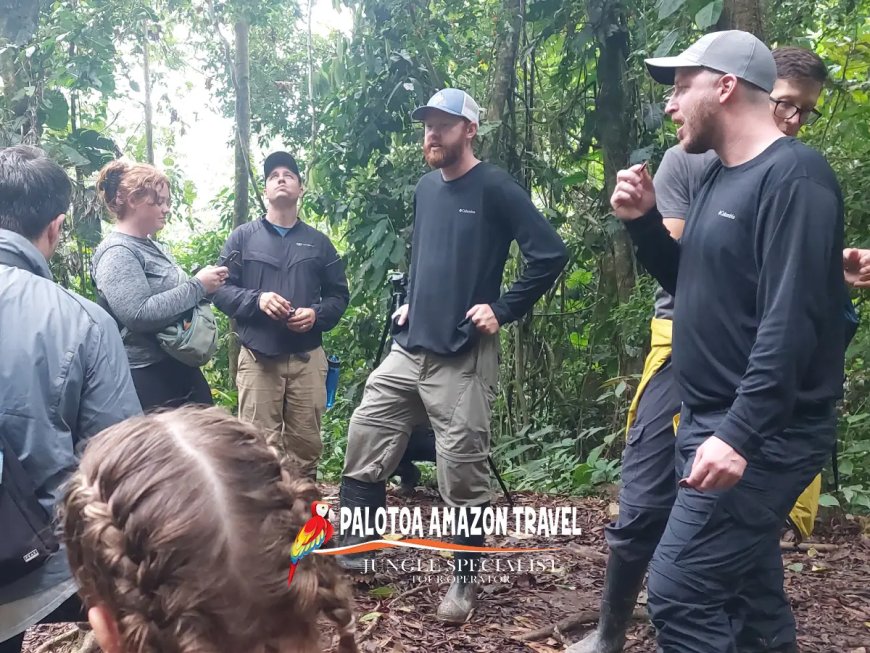
For travelers seeking an authentic Amazon rainforest experience filled with extraordinary wildlife, pristine landscapes, and deep cultural encounters, Manu National Park tours offer one of the most rewarding adventures in Peru. Whether you are a nature lover, birdwatcher, or adventure traveler, choosing the right time to visit is essential to fully enjoy this protected paradise.
Seasonal weather patterns, wildlife activity, road conditions, and visitor numbers can greatly influence your experience when traveling to Manu National Park from Cusco. Understanding these factors will help you plan a safer, more enjoyable, and unforgettable journey with Palotoa Amazon Travel.
Dry Season (May to September)
The dry season is one of the most popular times for Manu National Park tours, running from May through September. During these months, rainfall is minimal, making travel conditions more stable and roads more accessible, especially on overland routes from Cusco to the Amazon lowlands.
Clear skies and pleasant daytime temperatures make this season ideal for hiking, river excursions, and jungle walks. Wildlife sightings are often excellent, as animals tend to gather near rivers and water sources. Birdwatching is particularly rewarding, with many species active and visible.
However, nights and early mornings can be quite cool, especially in the highland cloud forest areas. Travelers should pack warm layers along with lightweight clothing. Since this is peak season, tours to Manu National Park from Cusco tend to fill up quickly, so advance booking is strongly recommended.
Wet Season (November to March)
The wet season transforms Manu National Park into a lush, vibrant ecosystem. Frequent rain showers nourish the forest, resulting in dense greenery, dramatic river levels, and active wildlife. This period is especially appealing for photographers and travelers who want to experience the rainforest at its most alive.
While rain can make trails muddy and river levels higher, it also brings increased animal activity, including amphibians, insects, and mammals. Fewer visitors choose Manu National Park tours during this time, offering a more intimate and peaceful jungle experience.
Travelers should be well prepared with waterproof clothing, proper footwear, and flexible schedules, as weather conditions may affect transportation. Despite the challenges, visiting Manu National Park from Cusco in the wet season can be incredibly rewarding for those seeking solitude and raw nature.
Shoulder Seasons (April and October)
April and October are considered the shoulder seasons and are often regarded as the best balance between weather and visitor numbers. Rainfall is lighter than in the wet season, while the landscape remains lush and green.
During these months, Manu National Park tours offer comfortable temperatures, good road conditions, and excellent opportunities to spot wildlife without the crowds of peak season. Rivers are still navigable, trails are accessible, and overall conditions are favorable for exploration.
Travelers heading to Manu National Park from Cusco during the shoulder seasons can enjoy the best of both worlds: rich biodiversity, scenic beauty, and a more relaxed travel pace.
Conclusion
Choosing the best time for Manu National Park tours is key to experiencing the incredible biodiversity and untouched beauty of this UNESCO World Heritage Site. The dry season offers easier travel and excellent wildlife viewing, while the wet season reveals the rainforest in its most vibrant form with fewer tourists. Shoulder seasons provide an ideal balance for many travelers.
No matter when you decide to visit, exploring Manu National Park from Cusco with Palotoa Amazon Travel promises a once-in-a-lifetime journey into one of the most biologically diverse places on Earthwhere nature, culture, and adventure come together in perfect harmony.